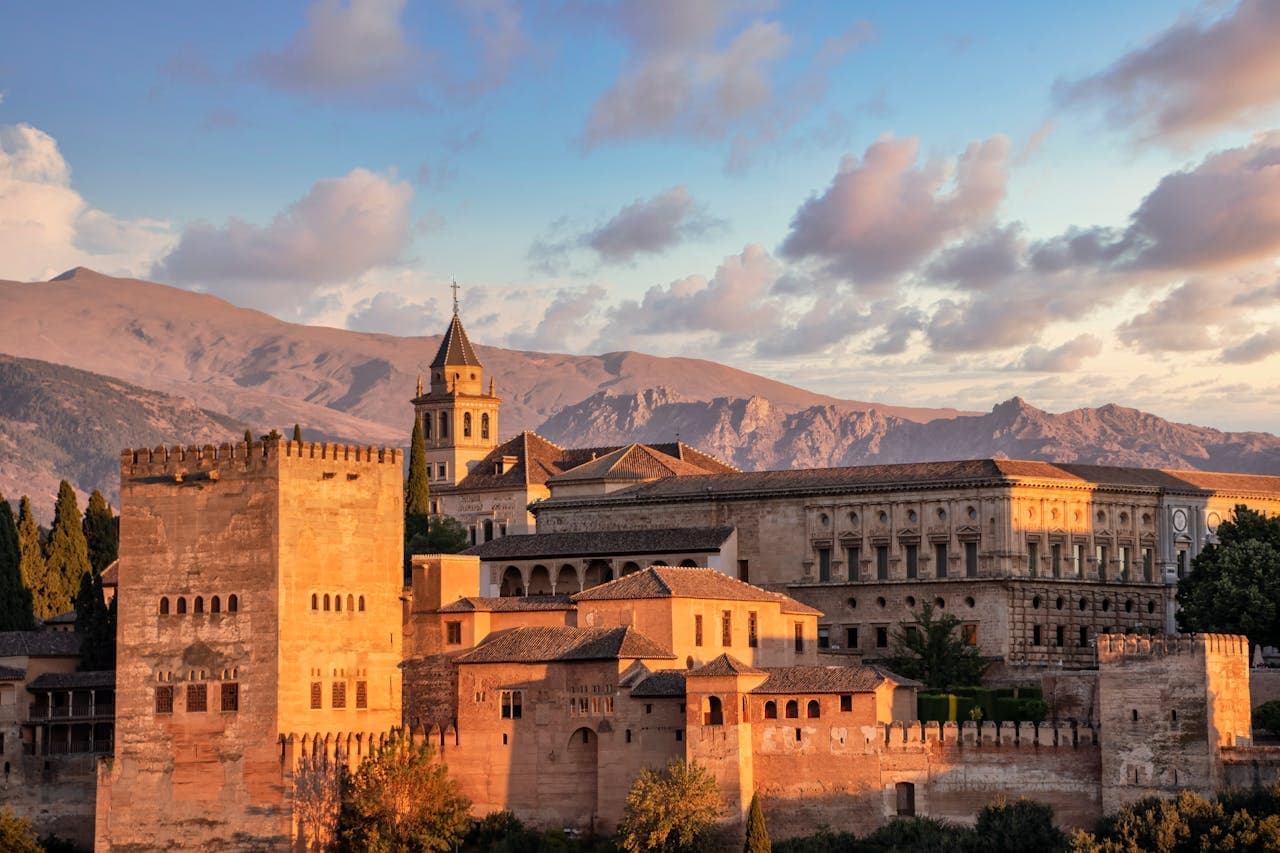
The Soul of Al-Andalus – The Islamic Heritage of Spain
“From Gibraltar to Granada — The River of Light That Shaped a Continent”
In the Name of Allah, the Most Compassionate, the Most Merciful —
There are lands upon which the sunlight of Islam once rested so gracefully that even centuries later, their stones still speak the language of the Qur’an. That land is Al-Andalus — Spain — the cradle of knowledge, the sanctuary of beauty, and the mirror of the Divine intellect. Here, from the mountains of Granada to the sea of Gibraltar, Islam sculpted civilization from faith, and faith from knowledge.
“Travel throughout the land and see how He originated the creation; then Allah will bring it forth once more. Surely Allah is Most Capable of everything.” Surah Al-‘Ankabut (29:20)
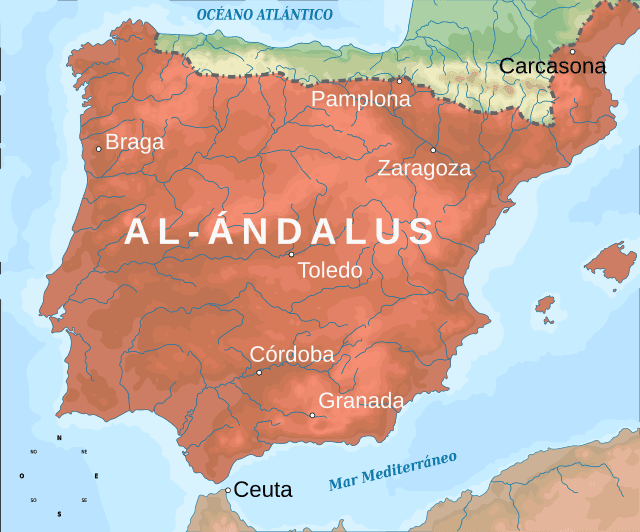
Gibraltar – The Gate of Tariq
In 711 CE, the grand muslim commander Tariq Ibn Ziyad (May Allah be pleased with him) stood upon the Rock of Gibraltar — Jabal Tariq — and began the story of Al-Andalus. Before his soldiers, he kindled the flame of courage and tawakkul, declaring that retreat was not an option, for victory belonged only to those who trusted in Allah.From this very shore, the message of Islam entered Europe not as conquest, but as illumination — spreading faith, science, and justice that would forever alter the course of humanity.
Tarifa & Guadalete — The Dawn and the TurningNear the Rock of Gibraltar lies Tarifa, a place whose name remembers Tarif Ibn Malik, the scout who landed on the Iberian shore before Tariq’s main force. Tarifa and the plain of Guadalete are etched into history as the site where the Visigothic rule broke, opening the gateway for Al-Andalus. The Battle of Guadalete was not only military; it was the turning of a continent’s spiritual horizon. From these southern plains the rivers of Andalusian civilization spread inward, irrigating cities, gardens, and minds.
Marbella – The Pearl of the Andalusian ShoresKnown in Arabic as Marbāla, Marbella flourished as one of the western ports of the Caliphate of Córdoba. Its whitewashed walls, gardens, and fortress — the Alcazaba de Marbella — still echo with the rhythm of Andalusian artistry. Under Emir Abdurrahman III (May Allah be pleased with him), Marbella became a radiant node in a network of learning and commerce connecting the Maghrib, Damascus, and Baghdad.Here, the waves that lap its coast once carried scholars, astronomers, and poets whose words would later blossom across Europe.
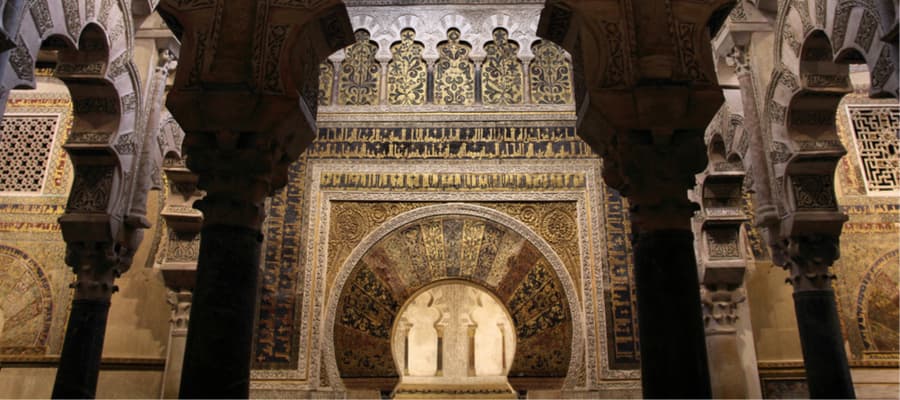
Cordoba (Qurtuba) was the luminous heart of Al-Andalus: city of libraries, the grand mosque-university, and the house of scholars whose lamps guided Europe’s dark hours. Under the Umayyad emirs and later the caliphs, Córdoba contained hundreds of mosques, hospitals (bimaristans), observatories and universities that received students from across the Mediterranean. Its libraries housed hundreds of thousands of manuscripts — on medicine, astronomy, philosophy, mathematics, and literature — and its streets were places where the Qur’an’s command to seek knowledge (Iqra’) became a public ethic. The legal schools and scientific methods cultivated here carried into North Africa, the Maghrib, and across the sea to the Magellan routes of learning. Cordoba’s intellectual culture shaped figures such as Ibn Rushd and Al-Zahrawi and provided the soil from which Ibn Battūta’s curiosity later grew.
Seville – The Court of Poets, Jurists, and SaintsSeville (Ishbīliya) was the heart of Andalusian refinement — a city of scholars, jurists, calligraphers, and mystics. Here reigned the grand Emir Al-Mu‘tamid Ibn ‘Abbād (May Allah be pleased with him), whose court blended justice with poetry. Here lived some of Islam’s most luminous minds : Sheikh Ibn Hazm (May Allah be pleased with him) A scholar, jurist, theologian, and author of Al-Muhalla and The Ring of the Dove. His works remain pillars in Islamic jurisprudence and literature. Ibn Hazm’s ideology would influence Islamic law across the Maghrib and beyond. Sheikh Imam Abu Abdullah Al-Qurtubi (May Allah be pleased with him) Born in Córdoba, but whose tafsir was revered across Andalus and the Muslim world, his Tafsir Al-Qurtubi remains one of the most detailed Qur’anic exegesis ever written — a living reflection of Andalusian intellect. Sheikh Imam Ash-Shatibi (May Allah be pleased with him)The legendary master of Qira’at, whose monumental work Ash-Shatibiyyah unified the seven canonical Qur’anic recitations into an immortal masterpiece. His text is still recited by Qur’an memorizers across the world today — his Andalusian voice resounding from Morocco to Malaysia. Sheikh Ibn Arabi (May Allah be pleased with him)The Sheikh Al-Akbar, born in Murcia, whose mystical wisdom revealed the hidden unity of creation. His teachings on Divine Love, wahdat Al-wujud (the oneness of existence), and the spiritual path continue to guide seekers of the Truth until this very hour. Sheikh Muhammad Al-Ghafiqi (May Allah be pleased with him) A physician and scientist from Córdoba, author of Kitab Al-Adwiya Al-Mufradah (The Book of Simple Drugs). He classified over 500 plants and minerals, creating the foundation for modern pharmacology and medicine — centuries before Europe even knew the term “science.” Seville, thus, was not just a city of palaces — it was a university of the soul.
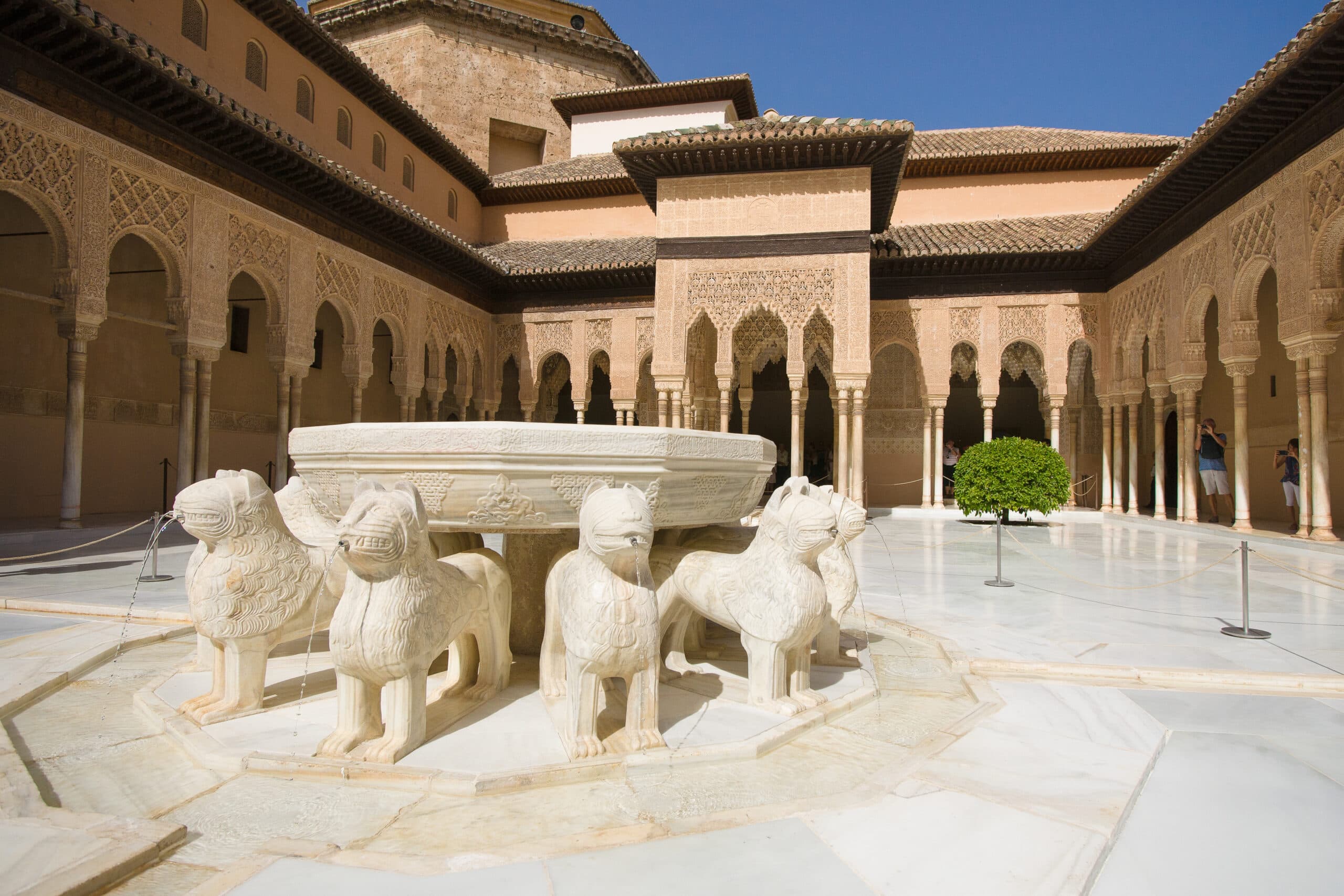
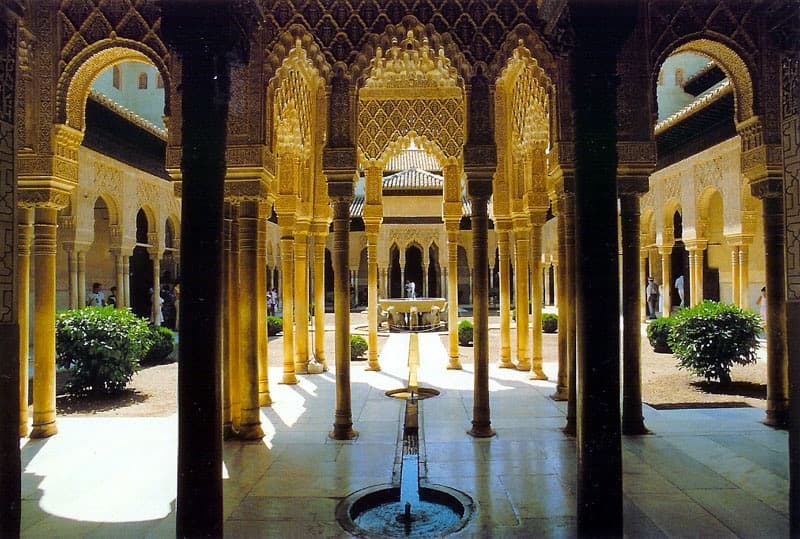
Granada (Gharnāṭah) was the last flame of Al-Andalus — a city so beautiful that its very architecture praises Allah. The Alhambra Palace, crowned with Qur’anic verses, stands as an eternal du‘ā in stone:“Wa la ghalib illa Allah” — “There is no victor but Allah.”Granada was the garden of philosophy, astronomy, and art — the final echo of a civilization that made faith and intellect inseparable. When it fell in 1492, its libraries were burned, but its ideas lived on — seeding the European Renaissance that followed.The mathematicians, physicians, and philosophers of Al-Andalus gave Europe its alphabets of reason — and the light that began in Córdoba still powers our digital age
.يَرْفَعِ اللَّهُ الَّذِينَ آمَنُوا مِنكُمْ وَالَّذِينَ أُوتُوا الْعِلْمَ دَرَجَاتٍ
“Allah will raise those who believe among you and those granted knowledge by degrees.” — Surah Al-Mujādilah (58:11)
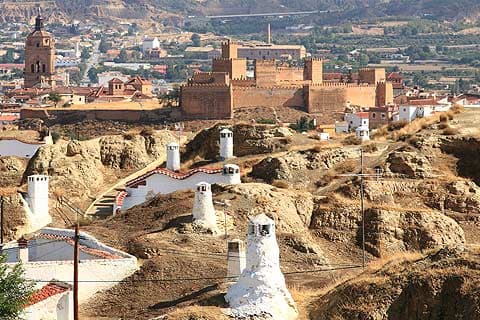
Guadix – The Refuge of the FaithfulIn Guadix (Wādi ‘Āsh), the faithful of Andalus found one of their final sanctuaries. Here, in the caves and valleys of this land, Muslims protected their Qur’ans in earthen jars, their manuscripts hidden in walls, their faith engraved in silence. The valleys of Guadix remind us that the light of Islam never extinguished — it merely went inward, awaiting its time to reemerge.The Golden Chain of Andalusian Scholars and Scientists from the 8th to the 15th centuries, Al-Andalus gave birth to a constellation of Islamic scholars who shaped the world. Sheikh Ibn Rushd (Averroes) (May Allah be pleased with him) – philosopher and jurist whose writings preserved Aristotle and illuminated both Islamic and Western philosophy. Guadix’s cave dwellings and hidden libraries became places to conceal Qur’ans and manuscripts when pressure and persecution rose after the fall of Granada during the inquisition. These cave homes preserved language, ritual, and the Sufi way of life behind closed doors. The act of hiding sacred texts in earthen jars was an act of devotion — to keep the flame of knowledge alive until the moment it could breathe again.
Ronda, perched on its dramatic gorge, was more than a fortress: it became a symbol of Andalusian resilience. Known for its poets, Sufi gatherings, and as a refuge for scholarly debates, Ronda’s towers witnessed both the flourishing of mystical thought and, in later centuries, the struggles of Morisco communities who held onto Islamic faith and memory. In the decades after 1492, Ronda and similar mountain towns served as shelters for those who resisted forced conversions and later revolts. The geography of Ronda—its escarpments and hidden valleys—made it a natural stronghold for cultural persistence.
Sufism in Andalus — Zawiyas, Sayyids and the Way of the HeartAcross Andalusian towns the path of Sufism — the tariqas and zawiyas — shaped the spiritual culture. Masters and disciples gathered in quiet courtyards, reciting dhikr, transmitting chains of knowledge, and training hearts. Sufi figures and orders (the spiritual lineages) left trace in Andalusian poetry, architecture, and communal life. Sheikh Ibn Arabi (May Allah be pleased with him) is the most luminous example, but he was accompanied by many local Sufi masters who guided the people in both spiritual practice and social compassion. Sufi sayings that echoed in Andalus included the reminder that “the heart is the mosque of the visible and invisible” and that knowledge without transformation is like a lamp without oil — statements echoed by masters such as the grand Sheikhs Al-Ghazzali and Ibn Arabi in spirit.
Even after the fall of the Nasrid Kingdom of Granada, the story did not end. Morisco communities—Muslims who remained, many forcibly converted or pressured to convert—continued to practice in secret and, at times, rose in rebellion. The Rebellion of the Alpujarras (1568–1571) is a key chapter: mountainous valleys of Granada became a theater of insurrection where Morisco fighters resisted Christian imposition and defended their communities. Ronda, the Alpujarras, and other mountainous towns witnessed both guerrilla resilience and tragic reprisals.
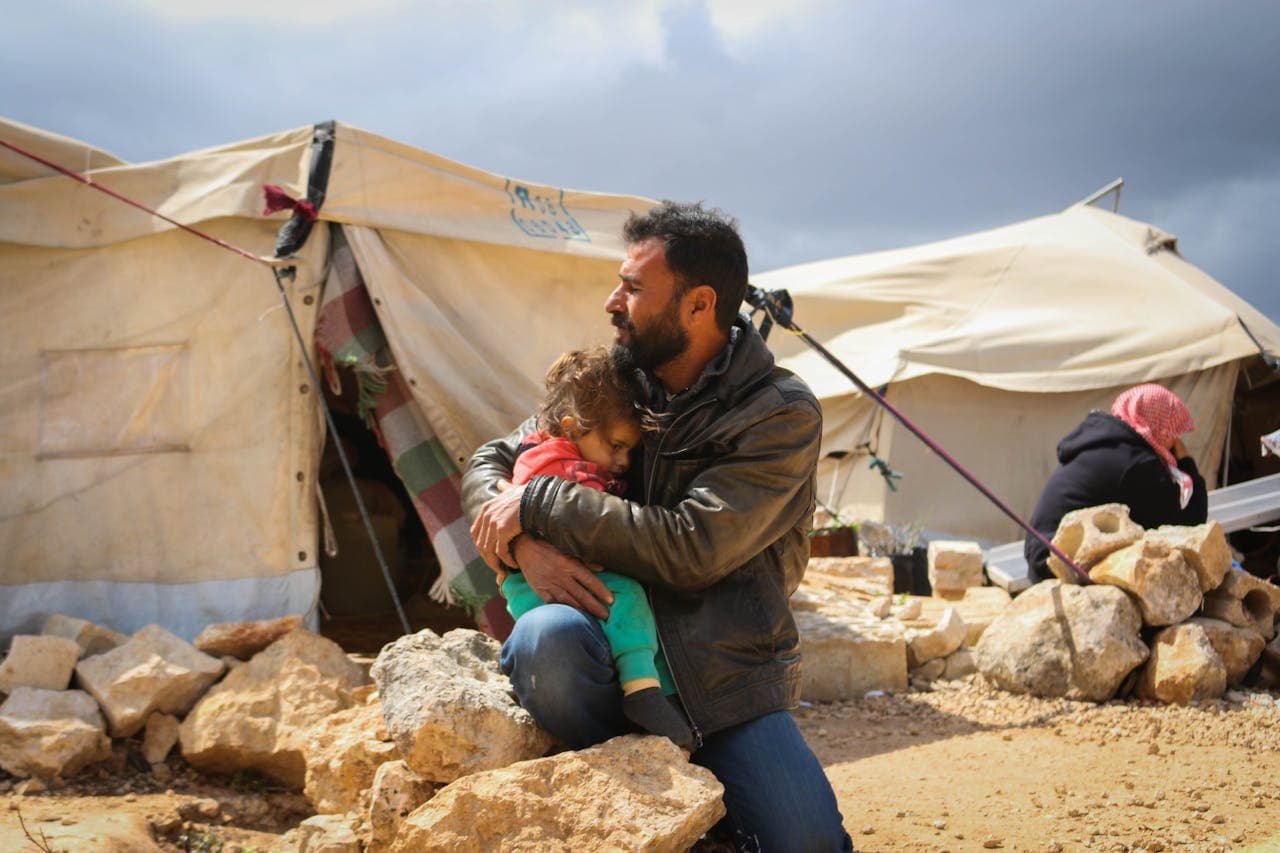
Refugees, the Inquisition, and the DiasporaThe centuries following 1492 and especially during the Inquisition saw waves of forced conversion, exile, and migration. Thousands fled to North Africa (Morocco, Algeria, Tunisia), to Ottoman lands, and to other safe havens across the Mediterranean and to the 'so-called' new world: South America. The refugee journeys carried Andalusian scholarship, craft, and spiritual traditions to new soils — ensuring that Andalusian light seeded other lands. The pain of exile was deep, but the continuity of faith persisted in families and in networks of scholars across the Maghreb and Anatolia.
In the experience of these communities we hear the Qur’anic consolation for those who leave and for those who strive for the path of Allah:
“Those who emigrated in the cause of Allah and then were killed or died — Allah will surely provide for them a good provision (Surah An-Nisa 4:100 – paraphrase emphasis on migration in path of Allah)
And the promise of steadfastness:
“And surely We will test you with something of fear and hunger and loss of wealth and lives and crops — but give good tidings to the patient ones.” (Surah Al-Baqarah 2:155)
From the Andalusian and wider Sufi heritage come words to steady the heart:
“ He who knows himself knows his Lord.”
A maxim often taught in the Andalusian zawiyas, echoed by Sheikh Ibn Arabi.
“The knowledge that does not reach the heart is like water that does not wet.”
A teaching that Sufi masters used to emphasize spiritual transformation alongside scholarship.
Rumi’s words (universally cherished in Sufi circles) :
“Let the beauty of what you love be what you do.”
A fitting echo of Andalusian craft, where devotion became art.
Continuity and the Refugee LegacyThe refugees of Al-Andalus carried manuscripts to Fez, Tunis, Tlemcen, Cairo, and later to Ottoman cities where Andalusian maqamat, musical modes, recipes, medicinal knowledge, and Sufi practices found new life. Their survival of tradition ensured that Andalusian light did not extinguish — it migrated, adapted, and reappeared in new centers of learning.
The Andalucian Legacy of the great Scholars & Masters
Timeline of the Great Scholars & Spiritual Masters of Al-Andalus| Scholar / Master | Birth City | Death City | Lifespan | Primary Contribution & Legacy |
|---|---|---|---|---|
| Sheikh Abbas Ibn Firnas | Ronda, Al-Andalus | Córdoba, Al-Andalus | 810 – 887 | Aviation pioneer, engineer, polymath; first recorded human flight attempt |
| Sheikh Muhyiddin Ibn Arabi | Murcia, Al-Andalus | Damascus, Syria | 1165 – 1240 | Shaykh Al-Akbar; Sufi metaphysics; Futūḥāt Al-Makkiyyah, Fuṣūṣ Al-Ḥikam |
| Sheikh Imam Ash-Shatibi | Xàtiva (Valencia), Al-Andalus | Granada, Al-Andalus | 1320 – 1388 | Master of Qirā’āt; author of Ash-Shāṭibiyyah |
| Sheikh Imam Abu Abdullah Al-Qurtubi | Córdoba, Al-Andalus | Minya, Egypt | 1214 – 1273 | Author of Tafsīr Al-Qurṭubī; master of Qur’anic exegesis |
| Sheikh Muhammad Al-Ghafiki | Córdoba, Al-Andalus | Córdoba, Al-Andalus | 12th century | Physician and pharmacologist; author of the Book of Simple Drugs |
| Sheikh Ibn Rushd (Averroes) | Córdoba, Al-Andalus | Marrakesh, Morocco | 1126 – 1198 | Philosopher, jurist, physician; preserved logic and sciences for Europe |
| Sheikh Ibn Hazm Al-Andalusi | Córdoba, Al-Andalus | Niebla (Huelva), Al-Andalus | 994 – 1064 | Jurist, poet, theologian; author of The Ring of the Dove |
| Sheikh Al-Zahrawi (Albucasis) | Madīnat Al-Zahrā (Córdoba), Al-Andalus | Córdoba, Al-Andalus | 936 – 1013 | Father of surgery; author of Kitāb Al-Taṣrīf |
| Sheikh Ibn Tufayl | Guadix, Al-Andalus | Marrakesh, Morocco | 1105 – 1185 | Physician, mystic, philosopher; author of Ḥayy Ibn Yaqẓān |
| Sheikh Lisan Al-Din Ibn Al-Khatib | Loja (Granada), Al-Andalus | Fez, Morocco | 1313 – 1374 | Historian, physician, poet, statesman; preserver of Andalusi memory |
| Sheikh Abu Al-Abbas Al-Mursi | Murcia, Al-Andalus | Alexandria, Egypt | 1219 – 1286 | Sufi master; transmitter of Andalusian spirituality to Egypt |
| Sheikh Ash-Shushtari | Guadix, Al-Andalus | Damietta, Egypt | 1212 – 1269 | Sufi poet of divine remembrance and inner awakening |
| Sheikh Abdullah Al-Arundi (Abdullah as-Saghir Al-Gharnaṭi) | Granada, Al-Andalus | Tlemcen, Algeria | 14th – early 15th century | Poet and scholar of exile; voice of post-Granada Andalusi identity |
| Sheikh Ibn Battuta | Tangier, Morocco (Maghrib–Andalusi sphere) | Tangier, Morocco | 1304 – 1369 | Greatest traveler in Islamic history; 117,000 km across 44+ lands |
Symbolic Continuity
Córdoba gave the world science and scripture
Granada gave the world poetry in grief and dignity
Murcia birthed mystics of the unseen
Guadix carried devotion into caves of refuge
Tangier sent a traveler to unite the Ummah in written memory
Tlemcen received the orphaned voice of Andalus and preserved it
The Spiritual and Civilizational Arc of Al-Andalus
| Field of Legacy | Cities that Carried It |
|---|---|
| Qur’an, Tafsir, Qirā’āt | Córdoba → Granada → Egypt |
| Medicine & Science | Córdoba → Seville → Europe |
| Sufism & Metaphysics | Murcia → Damascus / Alexandria |
| Poetry of Exile & Memory | Granada → Tlemcen / Fez |
| Global Islamic Connection | Tangier → The World (via Ibn Battuta) |
The Lanterns of Al-Andalus
From the shores where Tariq lit the dawn,
To the gardens where Gharnāṭah wept gold…
A river once flowed—no water carried it,
Only light,
Only knowledge,
Only souls sculpted by Heaven.
They were not men of ink,
They were pulpits of stars.
Not scholars of pages,
But architects of awakening.
In Ronda, wings fluttered before the sky allowed it—
Ibn Firnas, whose faith rose higher than the winds.
He taught mankind: Ascend—creation was built to soar.
In Murcia, the unseen opened its gates,
And Ibn Arabi whispered the secret:
“The heart is the Kaaba of Allah… circle it in love.”
From Xàtiva, the Qur’an found a new rhythm—
Ash-Shatibi, whose recitations became rivers,
Sung from Morocco to the islands of the East.
In Córdoba, the tongue of tafsir blossomed—
Al-Qurtubi, a lantern of meanings,
Whose words still bloom in hearts like Andalusi gardens.
Al-Ghāfiqī, the healer of bodies and souls,
Mapped remedies before the world learned the shape of medicine.
And Al-Zahrawi stitched wounds with the mercy of revelation.
Ibn Hazm wrote love into law,
Ibn Rushd reconciled reason with revelation,
Ibn Tufayl taught that wisdom can grow even on an island of solitude.
In Loja, Ibn Al-Khatib inked history with sorrow and honor,
And in Granada, the exile’s cry became poetry—
Abdullah Al-Arundi, guardian of memory,
Carrying the homeland in his sleeve as dust, in his heart as fire.
Then came the traveler without horizon—
Ibn Battuta, the compass of the Ummah,
Who proved that distance is small when hearts share one Qibla.
They carried no swords,
Yet conquered the ages.
Built no kingdoms,
Yet ruled the unseen empire of souls.
They were the Awliya of parchment and pilgrimage,
Of dhikr and discovery,
Of medicine, flight, jurisprudence and longing.
And Allah spoke the truth in them:
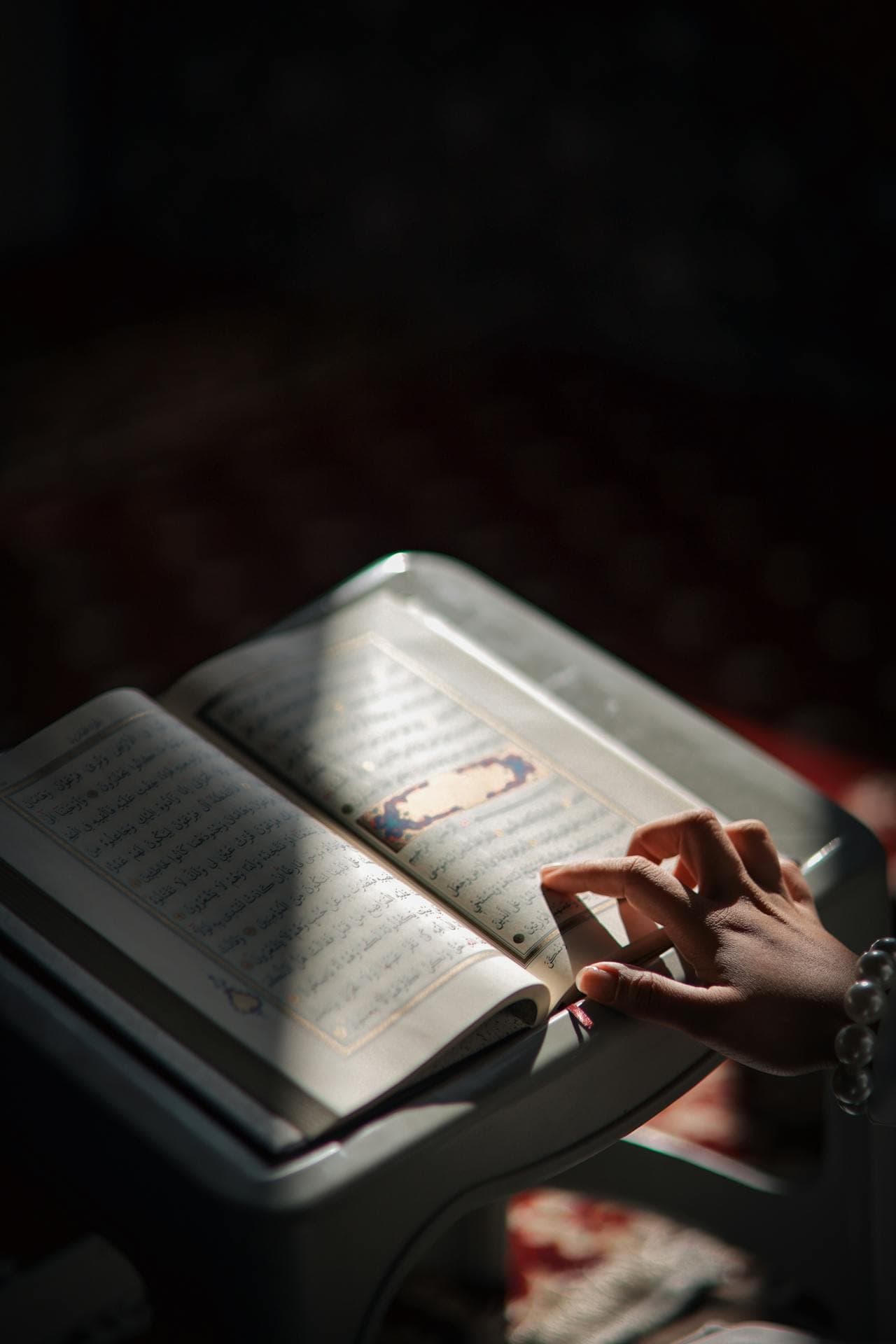
يَرْفَعِ اللَّهُ الَّذِينَ آمَنُوا مِنكُمْ وَالَّذِينَ أُوتُوا الْعِلْمَ دَرَجَاتٍ
“Allah raises in rank those who believe among you and those who are given knowledge.” Surah Al-Mujādilah 58:11
And again:
رَبِّ زِدْنِي عِلْمًا
“My Lord, increase me in knowledge.” Surah Ta-Ha 20:114
They rose.
Not by ladders—
But by devotion.
They traveled.
Not by roads—
But by destinies.
They built civilization,
Not by towers—
But by trembling hearts at dawn prayer.
O Al-Andalus,
Your scholars were constellations,
Your saints were perfume in the wind,
Your loss was not an end—
It was a migration of light.
So long as Knowledge is remembered,
And Love is recited,
And Allah is praised at dawn—
Al-Andalus lives.
Not in ruins,
But in us.
✧ “Heritage is not a monument… it is a pulse.”✧ And the pulse of Andalus still beats.
These souls were not merely scientists — they were ʿUbbād (worshippers), who saw discovery as dhikr, and science as an act of tawhid.
The Eternal Lesson of Andalus From Gibraltar’s call to courage, to Seville’s courts of learning, to Granada’s palaces of praise — Al-Andalus was the soul of Islam manifest.
It is the living reminder that when faith and knowledge unite, civilizations ascend; when they divide, darkness returns. Even today, the Qur’an echoes in the stones of Córdoba’s Mosque, in the gardens of Alhambra, and beneath Écija’s earth — for faith cannot be erased by time.
Heritage is not something of the past, but a living servant of the Divine… crossing Time, Space, and Place — guided by the Divine.
The Past, Presence, and Future are all One United.
The actions of today’s presence are the heritage of tomorrow.