The Islamic Heritage of Cadiz
Qādis | Cádiz
The Western Minaret of the Atlantic — Port of Early Andalusian Light
بِسْمِ اللَّهِ الرَّحْمَنِ الرَّحِيمِ
“And it is He who has subjected the sea, so you may eat tender meat from it and extract ornaments to wear…”
Surah An-Naḥl (16:14)
When Muslim fleets crossed into Iberia in 92 AH / 711 CE, the Atlantic coast that welcomed them included Qādis — one of the oldest inhabited ports in Europe.
It became a strategic maritime jewel of Al-Andalus, linking the Islamic world to the open ocean.

Qādis — The Maritime Gate of Al-Andalus
During the Islamic era, Qādis emerged as:
- A naval support harbor for Andalusian fleets
- A link between Ishbīliyyah, North Africa, and the Atlantic
- A center of shipbuilding, cartography, and maritime science
- A coastal watch point guarding the western frontier
- A cultural junction of Maghrebi and Andalusian knowledge
The city carried the discipline of the sea — scientific, connected, and purposeful.
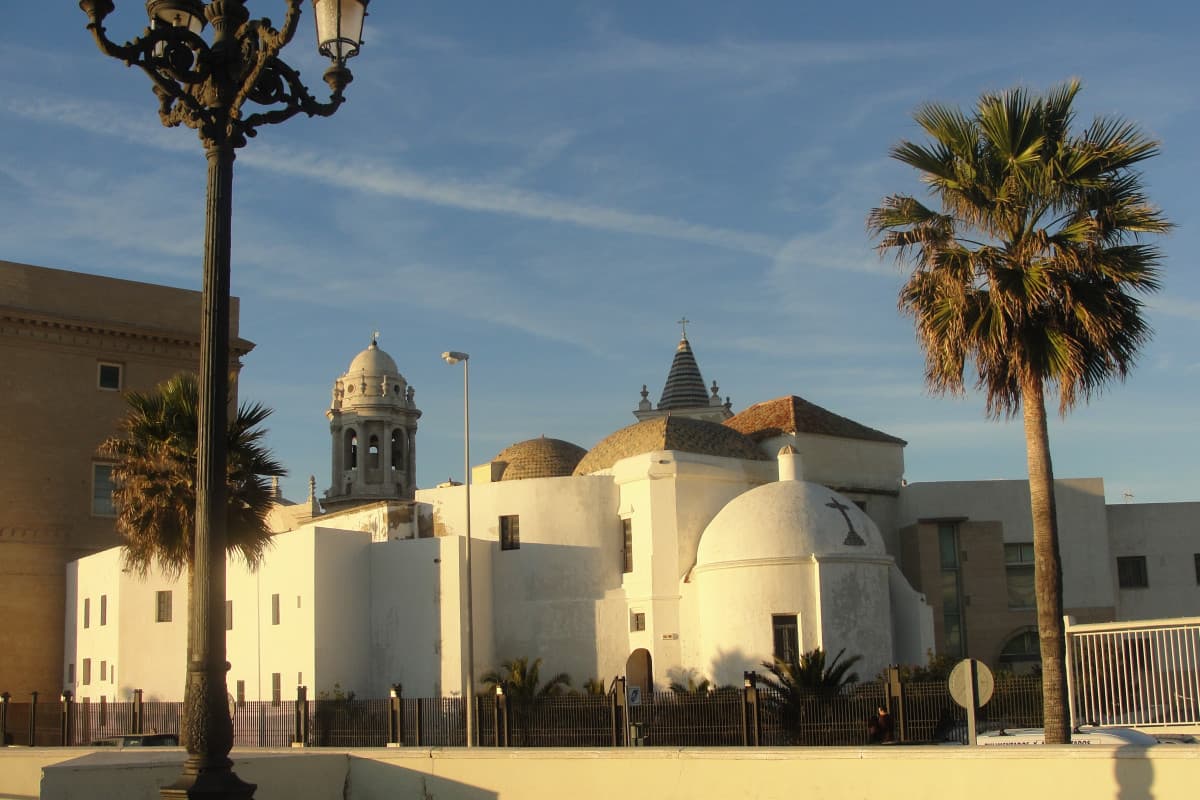
Maritime Sciences and the Atlantic Vision
Qādis was part of an oceanic civilization that mastered:
- Navigational instruments refined in Andalusian ports
- Star-based maritime mapping from Arab astronomy
- Tidal and wind pattern studies along the Atlantic
- Knowledge of ocean currents leading westward
The Atlantic was not unknown to Muslim scholars — it was measured, theorized, and respected.
Qādis was not merely a harbor; it was a frontier of scientific vision.

Scholars, Navigators, and Judges of Qādis
Among the figures associated with Qādis:
- Abū Al-Ḥasan Al-Qādisī — navigator and cartographer specializing in Atlantic winds, tides, and coastal charts.
- Al-Qāḍī ʿAbd Allāh Al-Qādisī — Maliki jurist regulating maritime law, merchant ethics, and port safety.
- Andalusian admirals serving under the Umayyads and later the Almohads, strengthening Atlantic fleets.
Here, Islam governed not only land — but the ethics of oceans.

Mosques, Ribāṭs, and Coastal Worship
During Muslim rule, Qādis hosted:
- Mosques facing the Atlantic breeze
- Ribāṭ stations where worship and vigilance united
- Night recitations for sailors awaiting favorable winds
- Adhān rising alongside the rhythm of waves
Faith here moved like the sea — constant, disciplined, and unbroken.
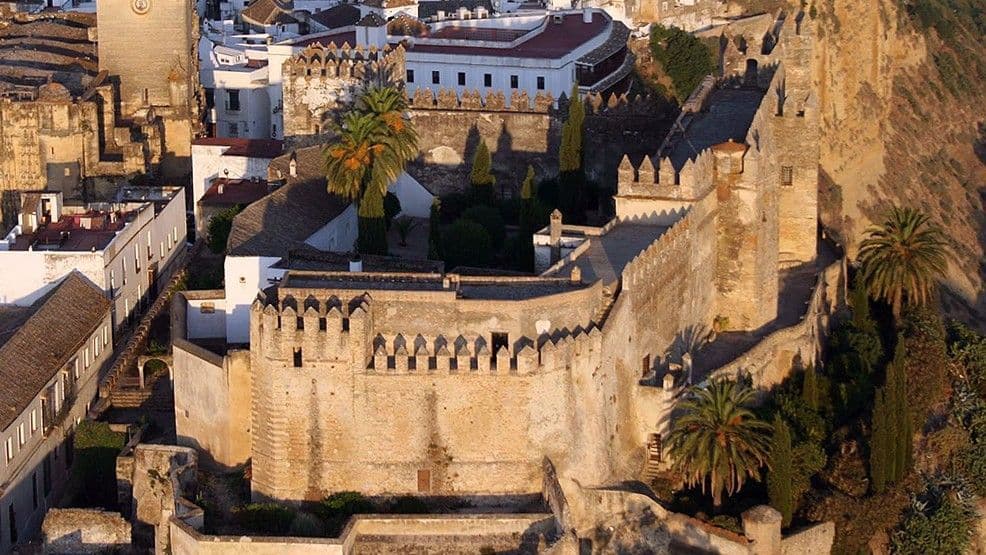
The Fall — And the Memory the Sea Keeps
Qādis fell in 1262 CE during the Castilian expansion.
Yet the sea preserves memory differently than land.
Stones may change rulers, but oceans preserve echoes.
“It is He who enables you to travel through land and sea…”
Surah Yūnus (10:22)

Sufi Wisdom of the Sea
“The believer is like the ocean — calm on the surface, deep in devotion.”
Imam Al-Junayd Al-Baghdādī
Qādis embodied this wisdom: apparent stillness, hidden depth.
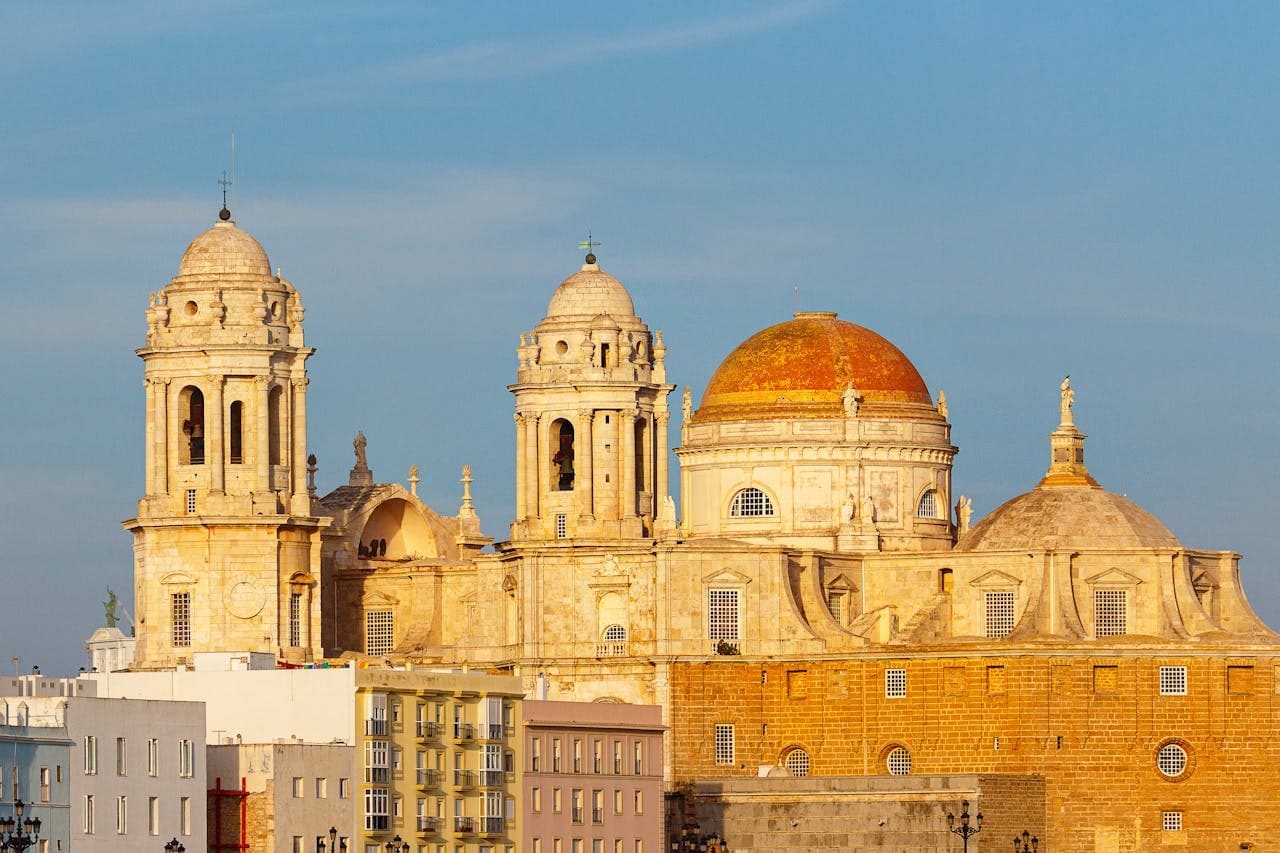
Poetic Epilogue — The Atlantic Still Remembers
O Qādis, edge of two worlds,
Minaret of the western tide.
Your dome was the sky, your carpet the sea,
Your chandeliers the galaxies sailors prayed beneath.
And though the adhān no longer rides your wind,
The ocean has never forgotten its cadence.
Some battles are written in books — yours was written in waves.