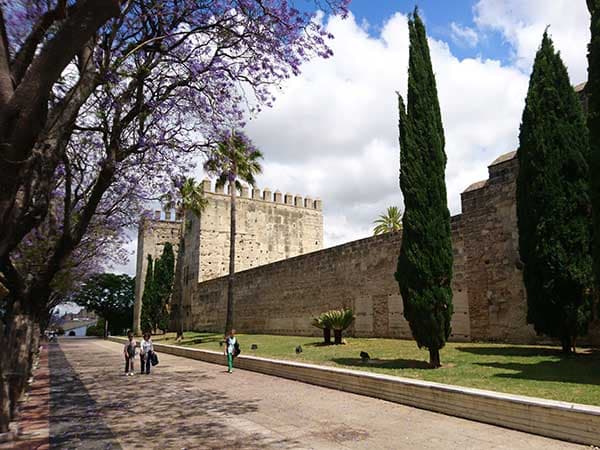
The Islamic Heritage of Jerez de la Frontera
Sharīsh | Jerez de la Frontera
The Noble City of Horses, Knowledge, Gardens, and Chivalry
بِسْمِ اللَّهِ الرَّحْمَنِ الرَّحِيمِ
Jerez traces its Andalusi name to شَرِيش — Sharīsh: a land of abundant pasture, sweet flowing water, and fertile earth—ideal for cultivation and noble horse breeding.
“It is He who has made the earth manageable for you—so traverse its regions and eat from His provision. And to Him is the resurrection.”
Surah Al-Mulk (67:15)
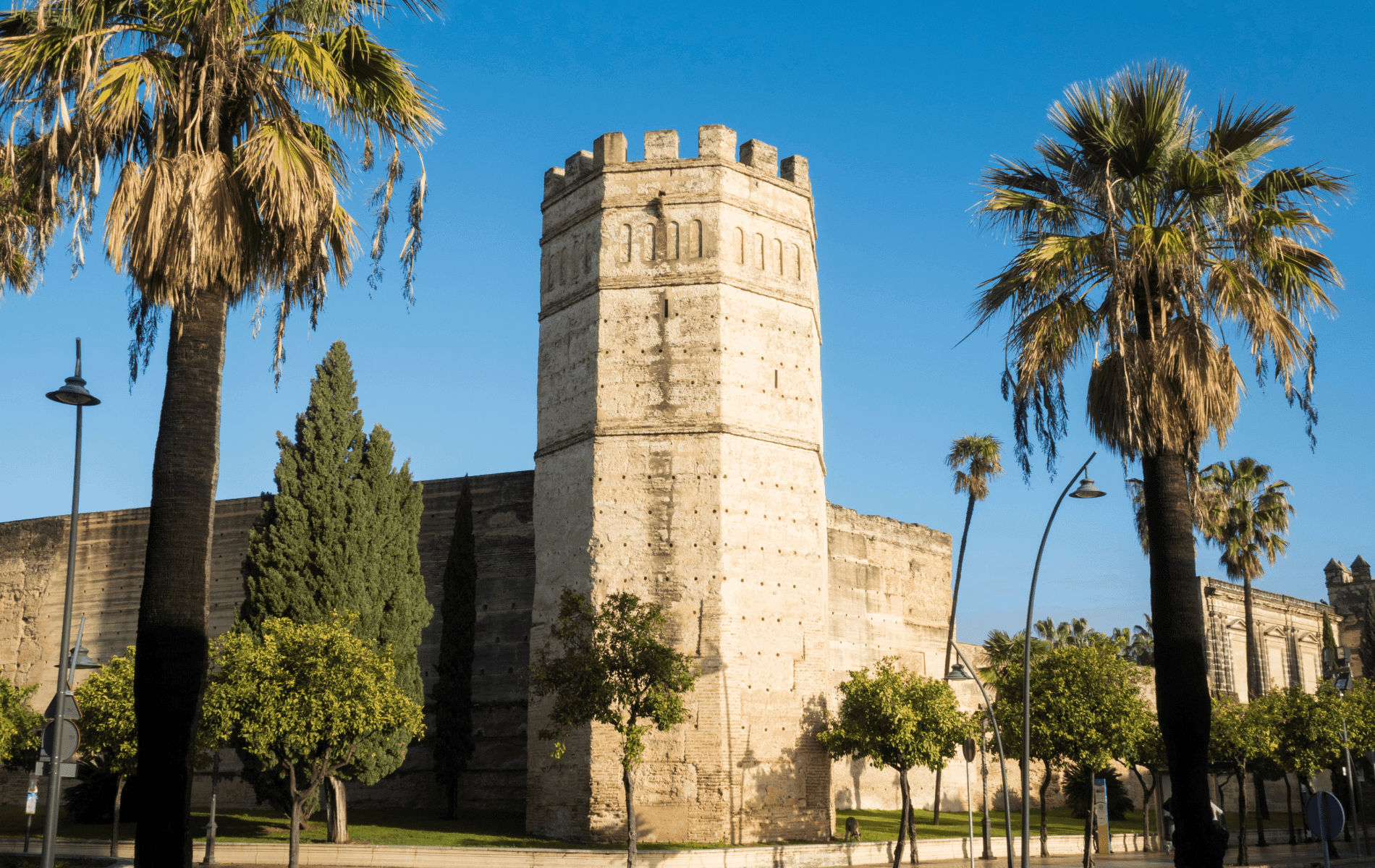
A City Between Knowledge, Chivalry and Enlightenment.
Sharīsh became known for three defining hallmarks:
- Scholars, jurists, poets, and artisans who enriched Andalusi civilization
- The pure Andalusi horse—raised with discipline and honor, shaping cavalry prestige
- The vikings who attacked Lisbon and were defeated reverted to Islam and established themself in Jerez de la Frontera
“Prepare against them whatever force you can, including trained horses of war…”
Surah Al-Anfāl (8:60)
Historical Timeline of Sharīsh in Al-Andalus
- 711 — Islam reaches the south of Iberia
- 8th–10th c. — Expansion with farms, markets, mosques, and irrigation
- 11th c. — Integrated into the Taifa of Seville; flourishing in science and trade
- 12th–13th c. — Almohad fortification and economic strength
- 1231 — Falls to Castilian forces; becomes Jerez de la Frontera
- 13th–16th c. — Muslim families endure displacement; legacy remains in land, craft, and culture
“Such are the days We alternate among the people…”
Surah Aal ʿImrān (3:140)
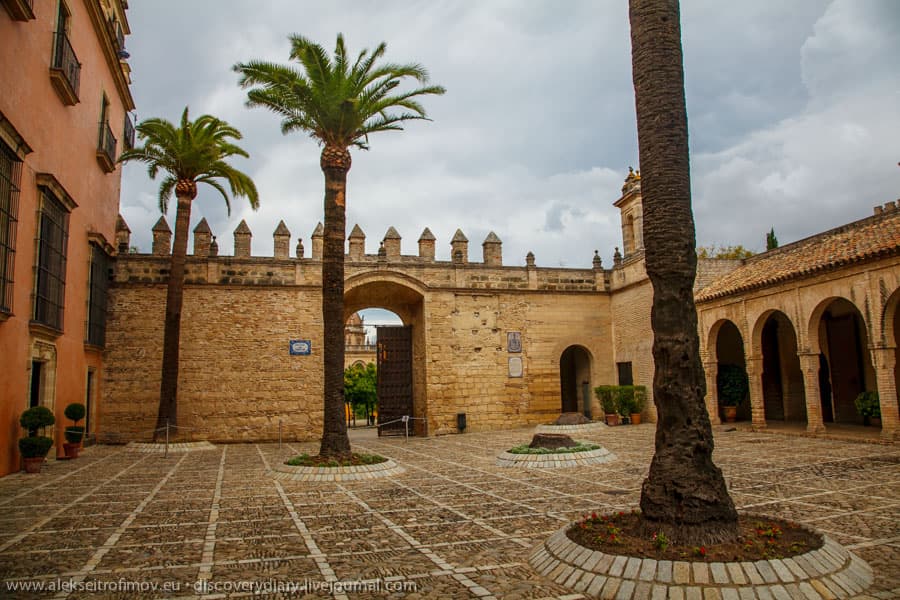
Illustrious Figures of Sharīsh
- Abū Al-Qāsim Ash-Sharīshī (11th c.) — celebrated scholar of grammar, literature, logic, and jurisprudence.
- Ibn as-Sīd of Sharīsh — philosopher and poet; taught that reason guided by revelation leads to wisdom.
- Al-Ḥajjāj Ibn Saʿīd Al-Fārisī — commander famed for cavalry discipline and mounted strategy.
“Allah elevates those who believe among you and those given knowledge by degrees…”
Surah Al-Mujādila (58:11)
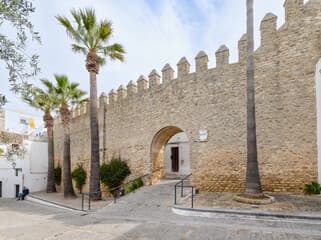
Sufi Presence and Spiritual Refinement
Sharīsh nurtured circles of dhikr, spiritual poetry, and inner purification—teaching that the greatest conquest is the self.
- Qur’anic recitation in melodic Andalusi modes
- Futuwwa (chivalric ethics) rooted in sincerity and humility
- Service to travelers and the poor
- Training character before power
“Successful is the one who purifies the soul, and ruined is the one who corrupts it.”
Surah Ash-Shams (91:9–10)
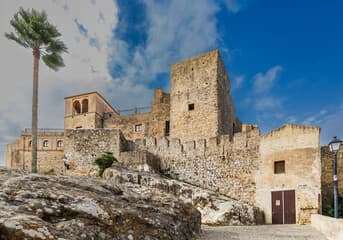
Sharīsh — The Heritage of Horses and Human Nobility
Horse-breeding in Sharīsh was not commerce alone—it was identity:
- Horses named, lineages recorded, temperaments refined
- Knights trained in adab (noble conduct) before battle skill
- Mounted units protecting trade routes and frontiers
“And He created horses, mules, and donkeys for you to ride and as adornment…”
Surah An-Naḥl (16:8)
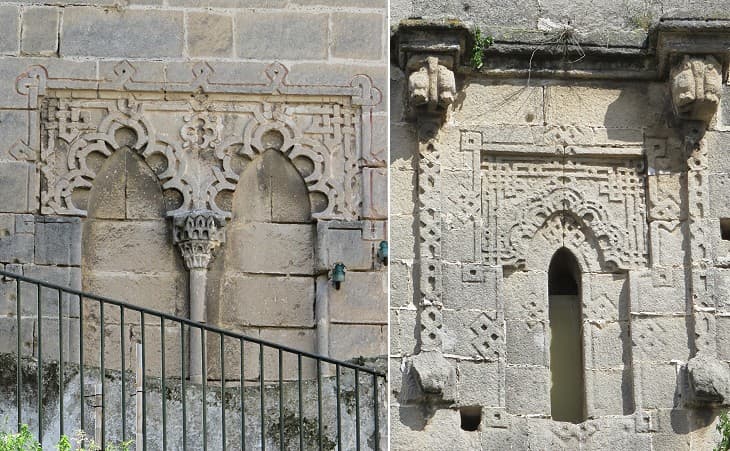
Agricultural and Scientific Legacy
- Acequias (irrigation canals) engineered for drought resilience
- Olives, orchards, wheat, citrus, and vineyards cultivated with precision
- Perfume distillation, tanning, textiles, and metalwork
- Medicine, astronomy, and geometry taught alongside theology
“We produced therein every kind of beautiful growth.”
Surah Qāf (50:7)
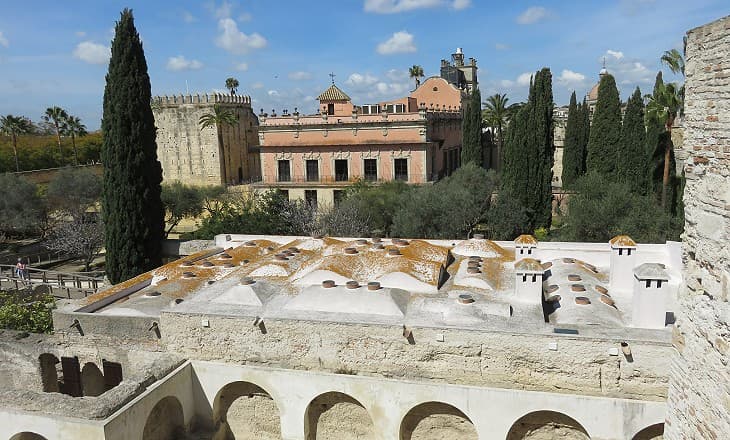
The Vikings and Sharīsh — A Forgotten Chapter
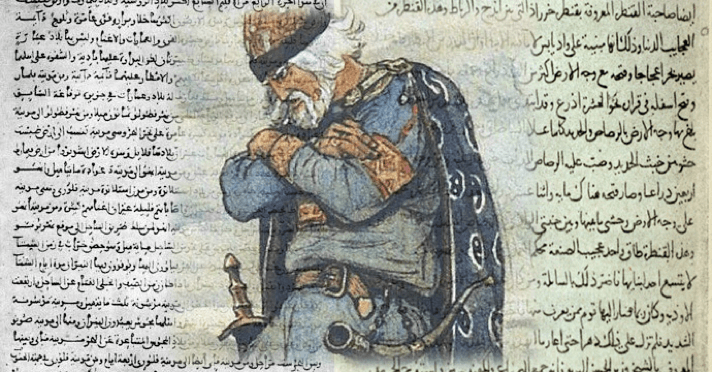
During the Viking naval raids of 844 and 859, Scandinavian forces struck the coasts of Al-Andalus. After defeat by Muslim naval and land forces, chronicles record that some captives later embraced Islam and integrated into Andalusi society—settling in cities and frontier towns including the western region.
Remembered themes in the accounts include:
- Naval and cavalry experience redirected toward defense
- Integration into Muslim civic life and discipline
- Mixed-heritage families rooted in the region over generations
“Truly Allah guides whom He wills to the Straight Path.”
Surah Al-Baqarah (2:213)
The Turning of Tides
After 1231, Sharīsh became a frontier city, renamed Jerez de la Frontera. Political sovereignty changed, but the Andalusi soul endured—transforming into continuity:
- Techniques passed into local craftsmanship
- Irrigation patterns still shaping agriculture
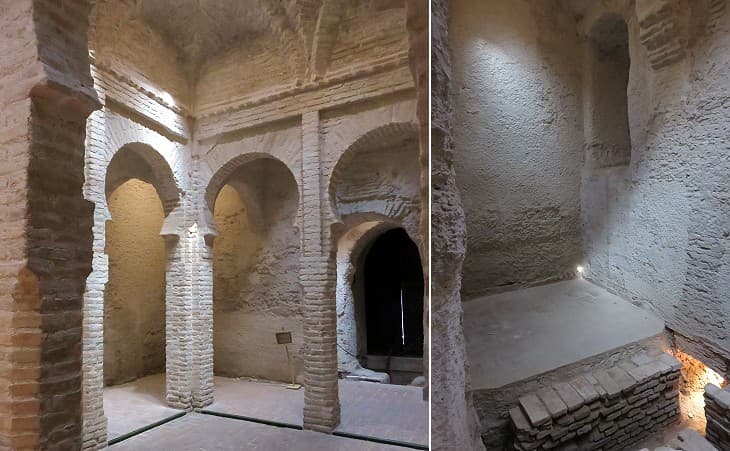
- Foundations beneath later structures
- An identity of learning, rhythm, and equestrian nobility
“Do not weaken and do not grieve—you will be superior if you are true believers.”
Surah Aal ʿImrān (3:139)
Closing Reflection
Sharīsh was a jewel of refined civilization, where:
- Knowledge was beauty
- Horses carried honor
- Spirituality shaped character before history judged men
“And the final outcome is for the God-conscious.”
Surah Al-Aʿrāf (7:128)
Poem — From Lament for Al-Andalus
لكل شيءٍ إذا ما تم نقصانُ
فلا يُغرَّ بطيبِ العيش إنسانُ
Everything, when perfected, begins its decline,
so let no soul be deceived by the sweetness of time…
أين الملوك ذوى التيجان من يمنٍ
وأين منهم أكاليلٌ وتيجانُ؟
Where are the crowned kings of Yemen now?
Where are their diadems and thrones?
دار الزمان على دارا وقاتلها
وأمَّ كسرى فما آواه إيوانُ
Time took its sword to every palace built,
Kisra’s throne offered him no shelter at the end…