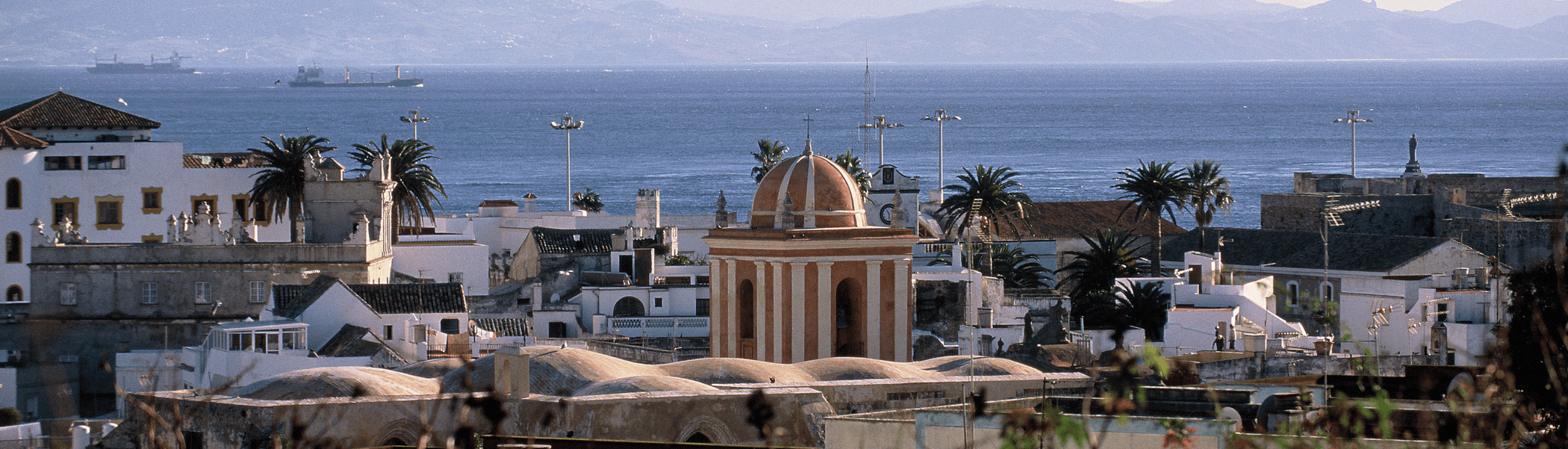
The Islamic Heritage of Tarifa
Ṭarīf | Tarifa
The First Footprint of Islam in Iberia — The Gate Where History Bowed
بِسْمِ اللَّهِ الرَّحْمَنِ الرَّحِيمِ
“Indeed, We sent you as a mercy to all worlds.”
Surah Al-Anbiyāʾ (21:107)
Ṭarīf is not only a city — it is the threshold of a civilization.
In 710 CE, a year before the famed arrival of Ṭāriq Ibn Ziyād, the first organized Muslim expedition reached this shore.
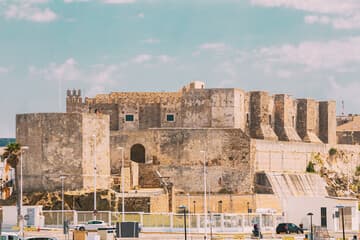
The Shore Where Al-Andalus Began
The expedition was led by Ṭarīf Ibn Mālik Al-Maʿāfirī (may Allah be pleased with him).
His mission was reconnaissance, preparation, and opening the gate for what would become the transformation of Hispania into Al-Andalus.
The city took his name — Ṭarīf → Tarifa.
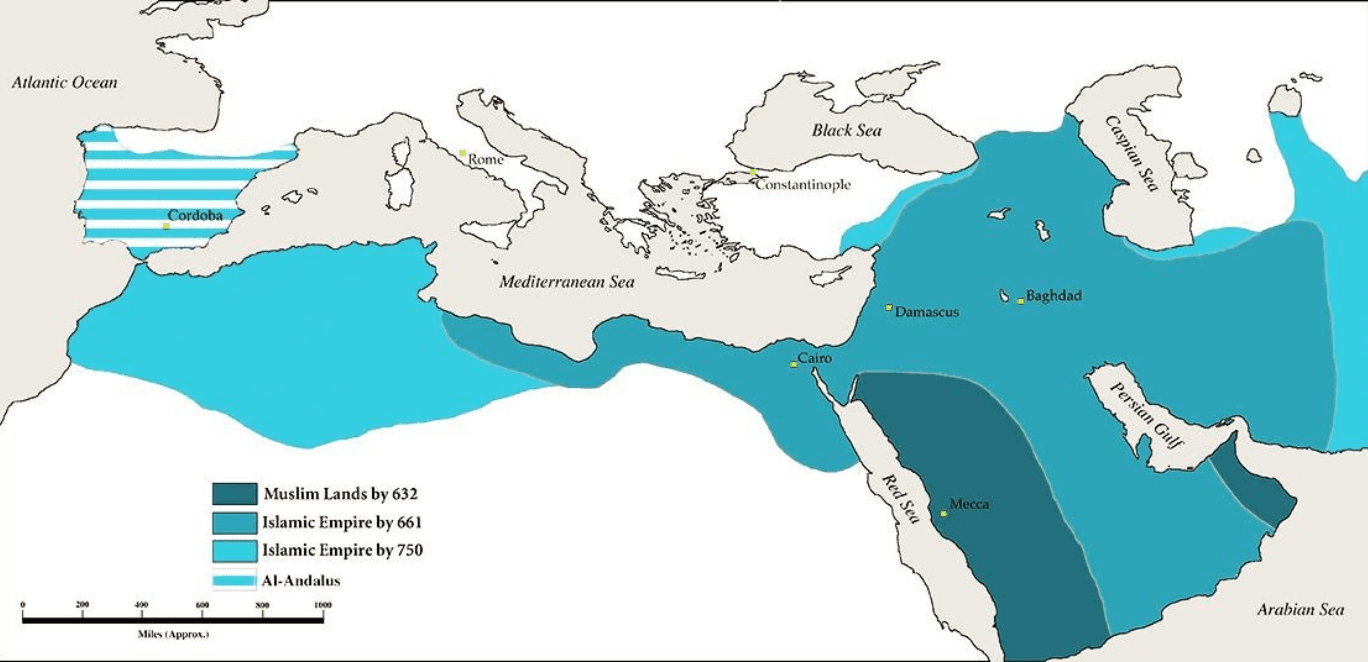
From this shore would rise Córdoba, Granada, Seville, and Toledo — and an intellectual civilization Europe had never seen before.
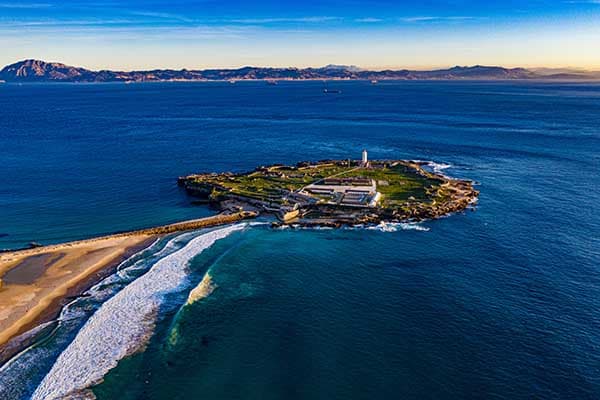
The Landing — 710 CE
- Ṭarīf crossed from Tangier with a small number of men
- Landed on the southernmost edge of Iberia
- Secured coastal routes and supply lines
- Assessed Visigoth defenses
- Opened the way for Ṭāriq Ibn Ziyād in 711 CE
The message was not conquest — it was arrival.
From this shore, history divided into two eras.
The Spiritual Symbolism of Ṭarīf
Ṭarīf represents:
- Niyyah — intention before action
- Fatḥ — opening of lands and hearts
- Thresholds — geographic and spiritual
- Tawakkul — crossing toward destiny with trust
Islam entered Europe not through palaces, but through a shore at dawn.
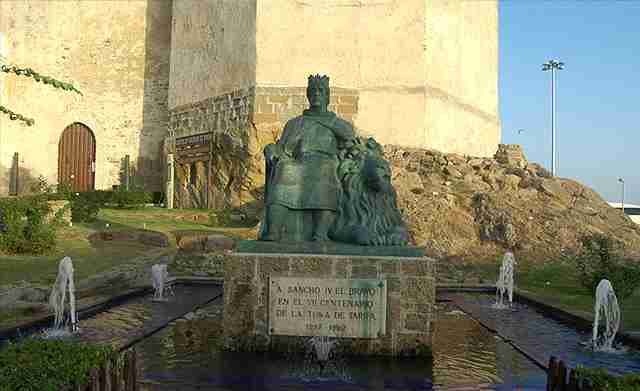
Guardians of the Strait
Under Islamic rule, Ṭarīf became:
- A ribāṭ — spiritual frontier fortress
- A watch point over Jabal Ṭāriq (Gibraltar)
- A guardian of the meeting of two seas
- A harbor for Maghrebi–Andalusi exchange
- A cavalry and naval coordination post
Those stationed here were murābiṭūn — warrior-worshippers guarding borders and hearts.
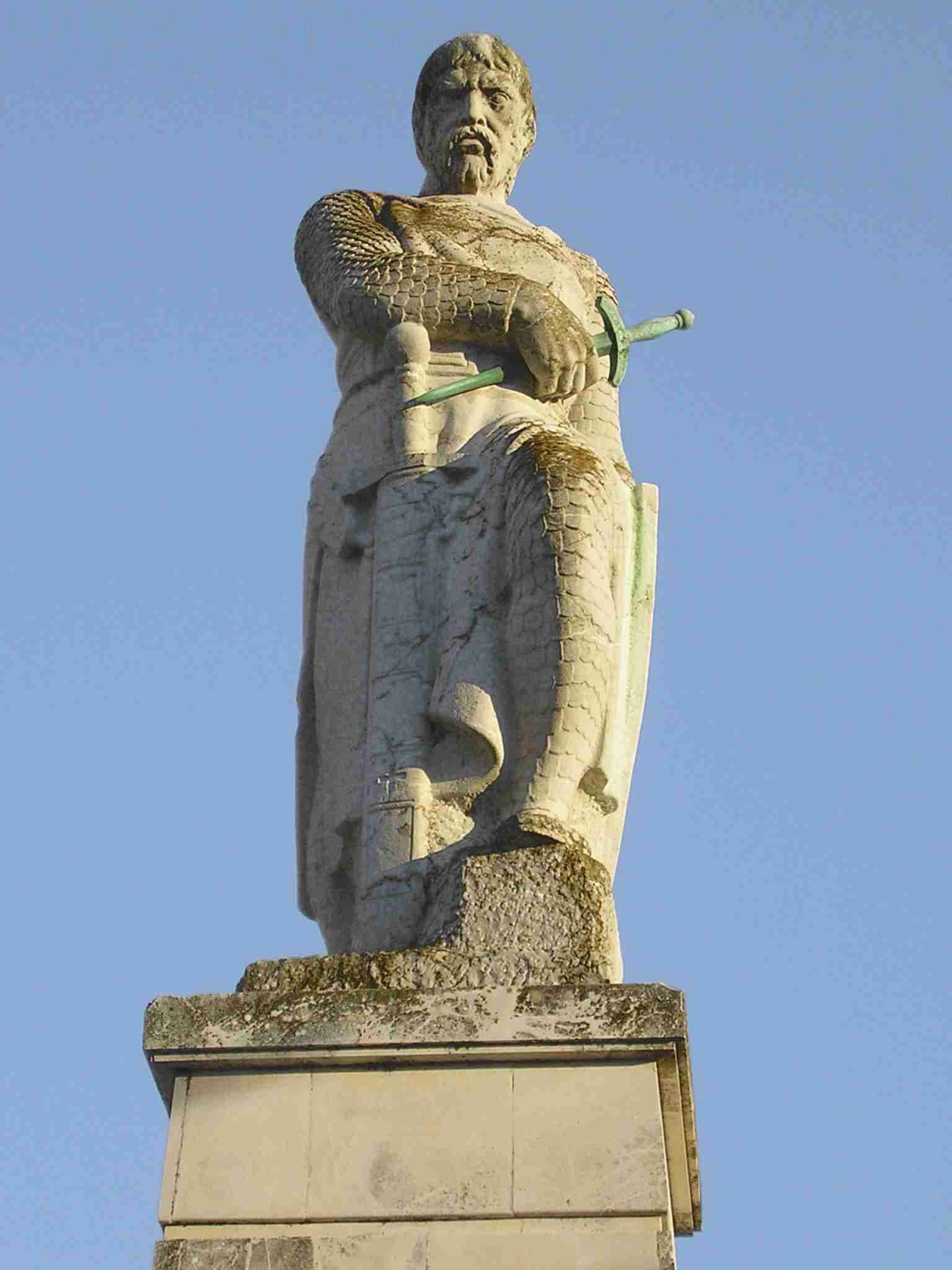
The Legacy of Ṭarīf Ibn Mālik
Though less known than Ṭāriq Ibn Ziyād, his role was indispensable:
- First Muslim landing in Iberia
- Secured the coast for the 711 arrival
- Provided reconnaissance that reshaped Europe
- Founded the first Islamic-era settlement on Iberian soil
His landing was the Bismillāh of Al-Andalus.
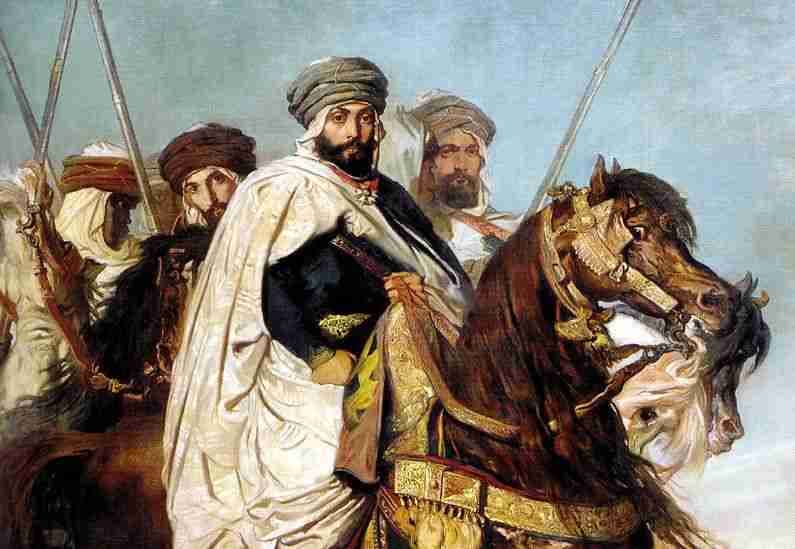
Qur’anic and Sufi Reflection
“And the end is for the people of righteousness.”
Surah Al-Aʿrāf (7:128)
“The heart is a shore, and Allah sends the waves. The one who opens, receives.”
The grand Sheikh Ibn ʿAṭāʾ Allāh Al-Iskandarī
Poetic Epilogue — The First Footstep
No minaret stands here now,
but the sea still calls Allah’s Name.
The first step was upon this sand,
the first prayer faced this sky.
O Ṭarīf, door of two continents,
key to a locked horizon,
your steps were few, but eternity-long.
For every victory has a first breath — and yours was the breath of Al-Andalus.