The Islamic Heritage of Medina Sidonia
Madinah Al-Sadūniyya | Medina Sidonia
(A full city module — standalone, scholarly, spiritual, and complete)
بِسْمِ ٱللَّٰهِ ٱلرَّحْمَٰنِ ٱلرَّحِيمِ
قُلْ سِيرُوا فِي ٱلْأَرْضِ فَٱنظُرُوا كَيْفَ بَدَأَ ٱلْخَلْقَ ۚ ثُمَّ ٱللَّٰهُ يُنشِئُ ٱلنَّشْأَةَ ٱلْـَٔاخِرَةَ ۚ إِنَّ ٱللَّٰهَ عَلَىٰ كُلِّ شَىْءٍ قَدِيرٌ
— سُورَةُ العَنْكَبُوتِ (29:20)
“Say, travel through the earth and observe how He began creation. Then Allah will bring forth the final creation. Indeed, Allah is capable of all things.”
Surah Al-‘Ankabūt (29:20)
Sufi Wisdom — Preservation as Worship
“ The ink of the scholar carries the perfume of eternity, for knowledge preserved with sincerity becomes light for generations to come. ”
— Ibn ʿArabī, Futūḥāt Al-Makkīyah (meaning conveyed)
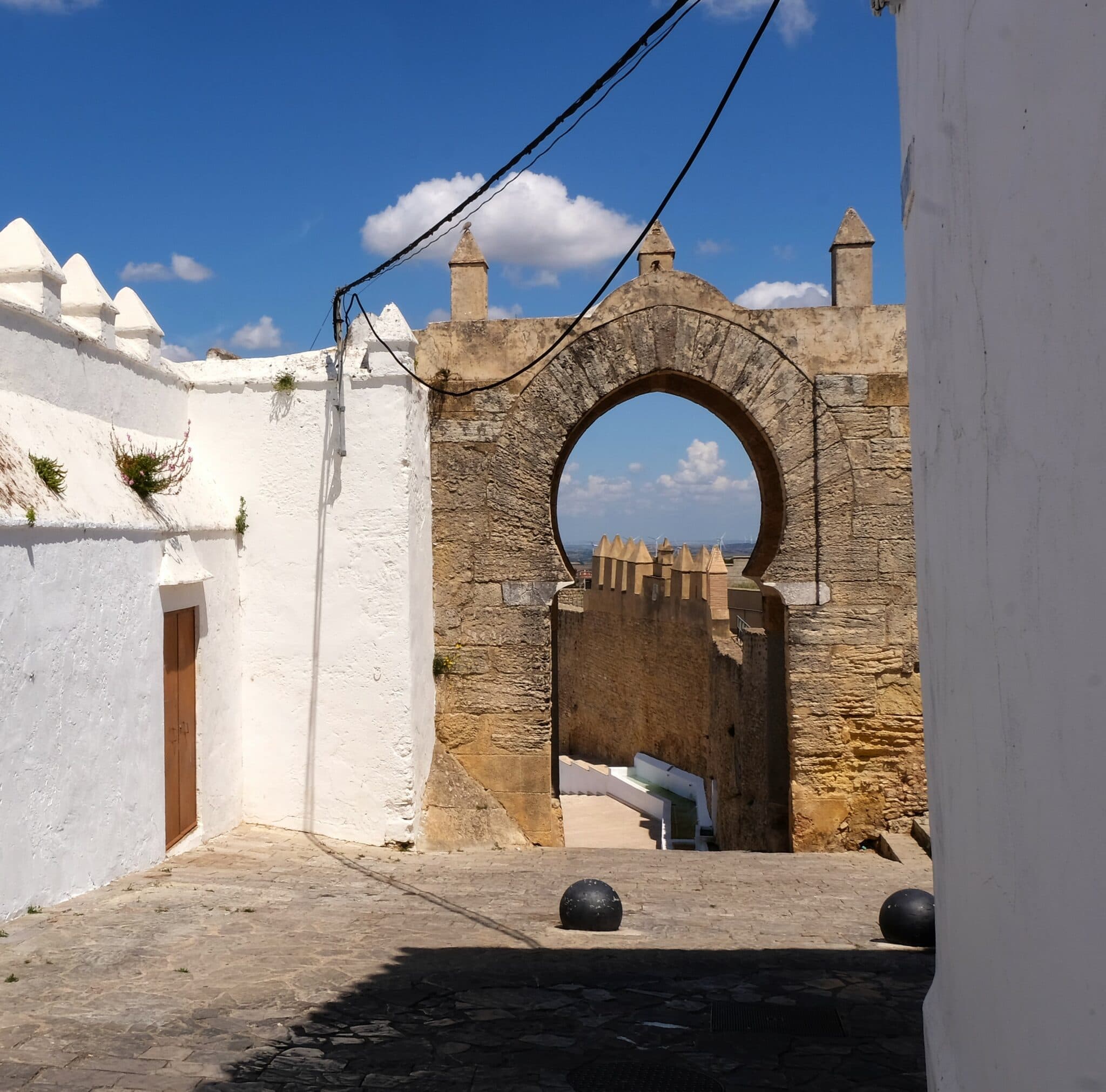
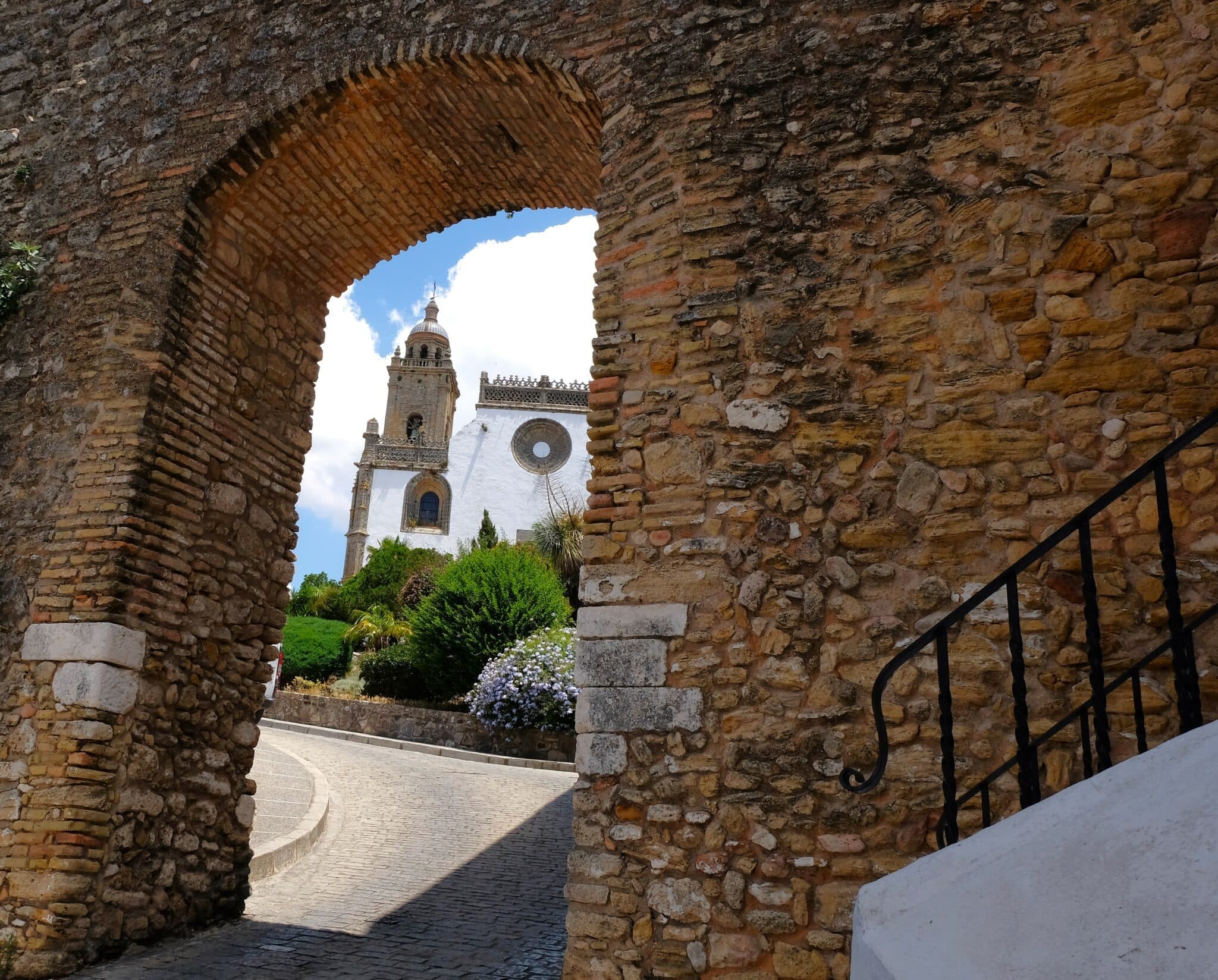
Medina Sidonia is not only castle and cork oak — it is an archive of Iberian memory, where routes, trade, law, learning, and layered identities folded into one another.
Introduction — Medina Sidonia in the Mirror of Memory
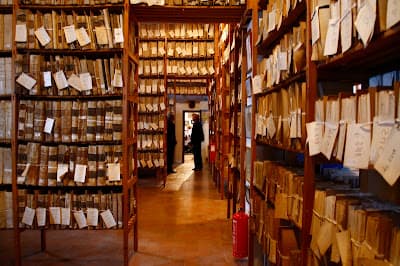
Perched near the Cádiz coast, Madinah Al-Sadūniyya stands as a living chapter of Al-Andalus: a place where manuscripts slept in ducal trunks, where jurists and merchants were written in Arabic script, and where civic life carried Andalusian legal and commercial forms.
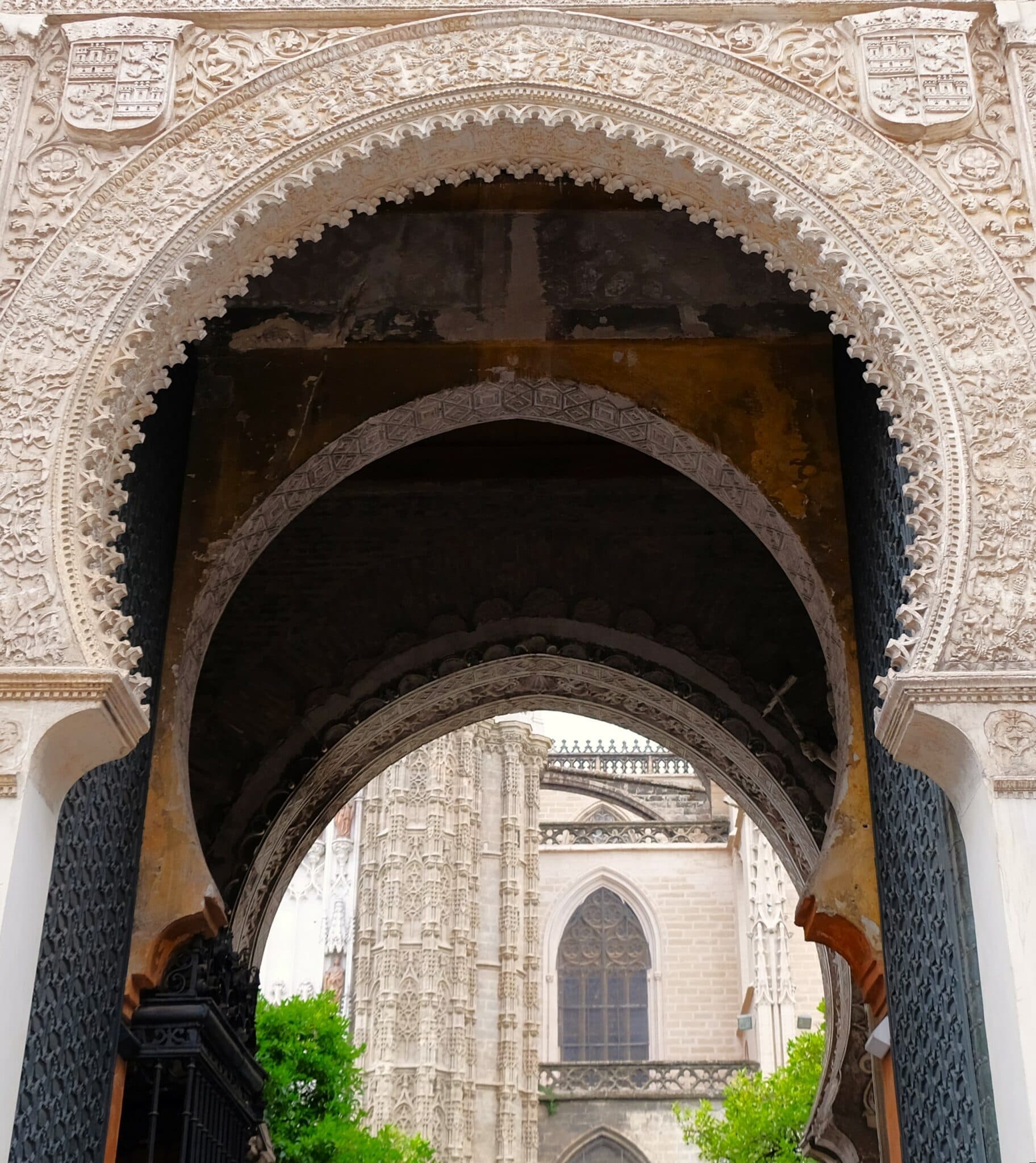
Here, Islamic legacy survived quietly — not only in stone, but in ink: contracts, endowments, permits, and notarial practice that preserved daily life beyond politics.
Timeline — A Living Chronology
- 8th–9th centuries: Integration into Al-Andalus civic and agricultural systems; markets, irrigation, and coastal trade develop.
- 10th–12th centuries: Links deepen with Seville and the Maghreb; Andalusi legal forms and notarial traditions flourish.
- 13th century: Political upheaval; families navigate shifting allegiances and cross-strait networks.
- Late 13th–early 14th centuries: Documents reference overseas economic ties; phrasing reflects Andalusi administrative patterns.
- 16th–19th centuries: Manuscripts preserved within private ducal archives; many remain untranslated and unpublished.
- 21st century: Archive revelations renew scholarly interest; preservation efforts expand through a dedicated foundation.
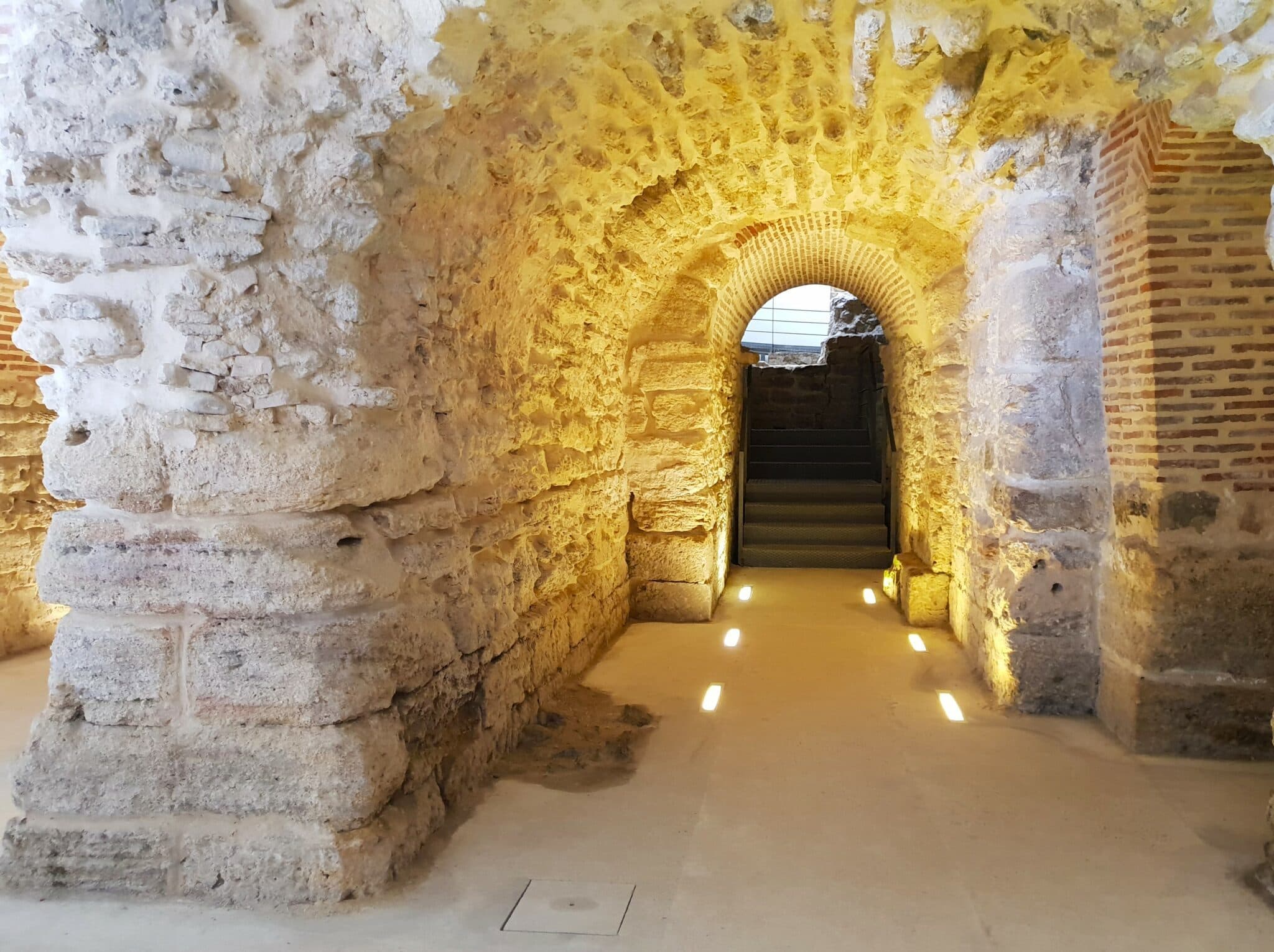
The Manuscripts — What Was Found and Why It Matters
The ducal archive preserved a remarkable corpus, including:
- Trade permits and export licences with Andalusi Arabic administrative wording and formulae.
- Waqf registers describing endowments for civic welfare: gardens, schools, and community services.
- Legal contracts and agricultural leases reflecting Islamic contractual practice and local custom.
- Notarial records identifying individuals through patronyms and geographic tags connected to the Maghreb.
- Marginalia and scribal hands consistent with manuscript traditions across Andalusi repositories.
These are not curiosities — they are primary traces of a functioning civilizational system: law, economy, literacy, and devotion woven into ordinary life.
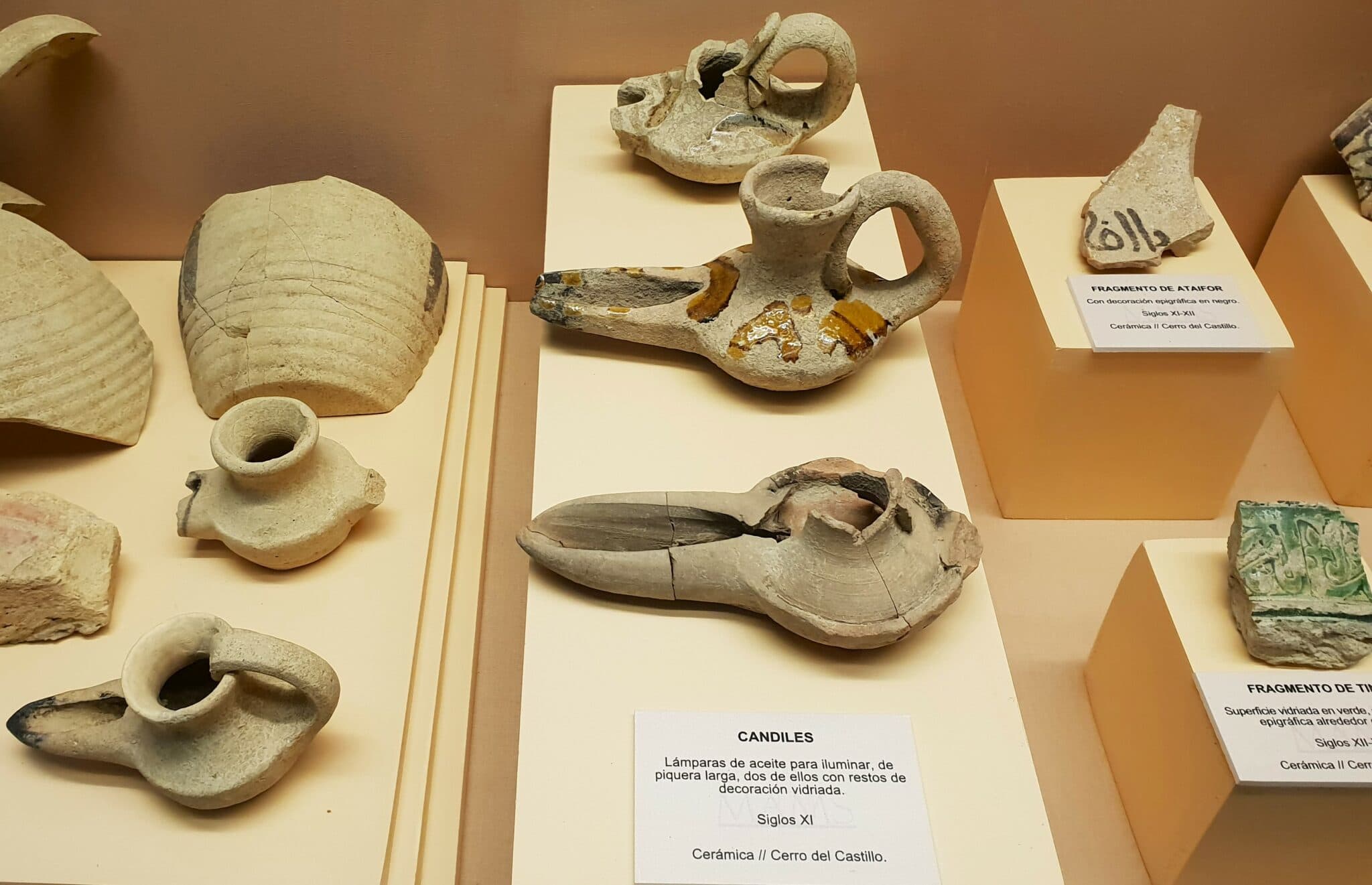
Guzmán el Bueno — Reconsidering a Legend
The archive reopens the story of Guzmán el Bueno / Othman the Good One — not to weaponize history, but to restore its complexity.
According to manuscripts discovered in Medina Sidonia and preserved by the Diocese, Guzmán el Bueno is revealed not as a crusader lord, but as a man rooted in Islamic law and ethics—reminding us that truth, when unveiled, restores the soul of history to its original light.
- Documents cite overseas networks and cross-strait economic ties.
- Records suggest movement between Iberia and Maghrebi ports as part of medieval reality.
- Later-era genealogical reframings reflect how identities were often rewritten under changing political winds.
This does not erase later roles — it enriches them: a figure shaped in a world where borders were porous, and identity often traveled like ships across the Strait.
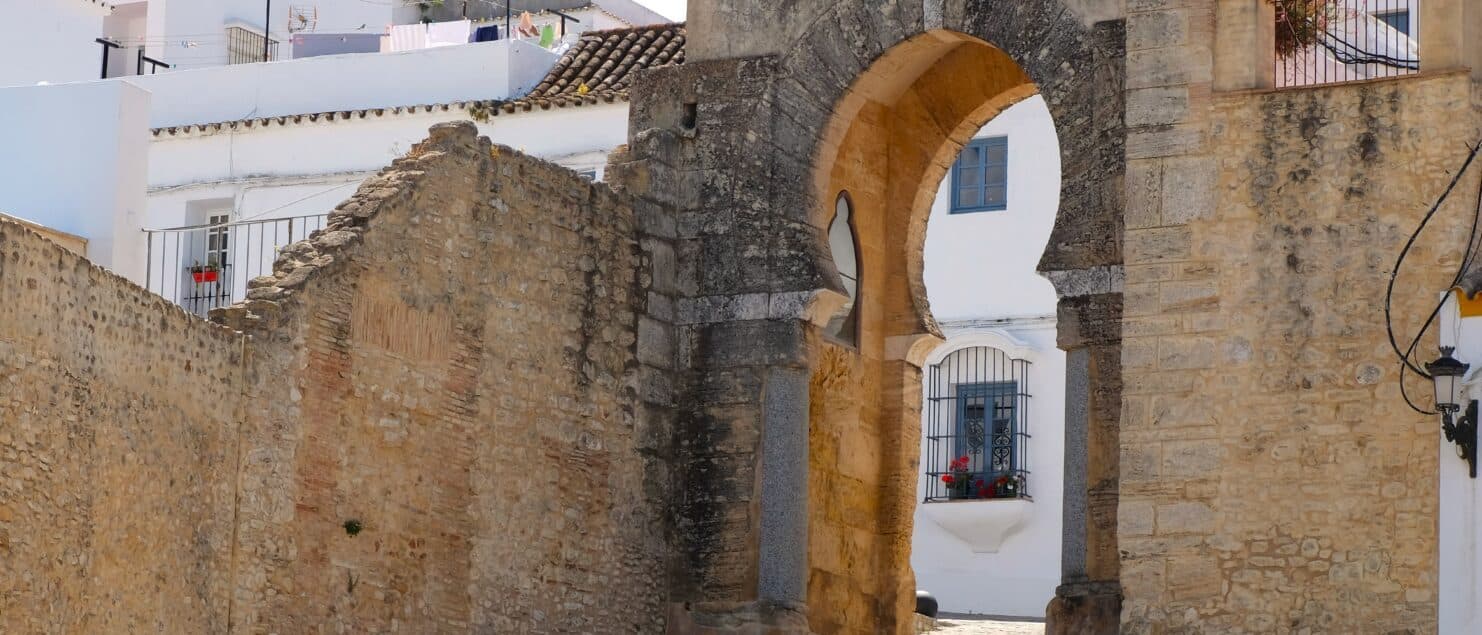
Cultural and Spiritual Legacy — Beyond Politics
Medina Sidonia’s documents reveal a civilization of practice:
- Agricultural science: irrigation contracts, seasonal guidance, and land stewardship.
- Legal literacy: written instruments protecting rights and preserving social order.
- Maritime networks: cross-strait commerce, provisioning, and port fees linking Cádiz to the Maghreb.
- Religious life: endowment culture and community services rooted in amanah and continuity.
Islam here was not only ornament of elites — it was civic fabric: law, learning, economy, and devotion.
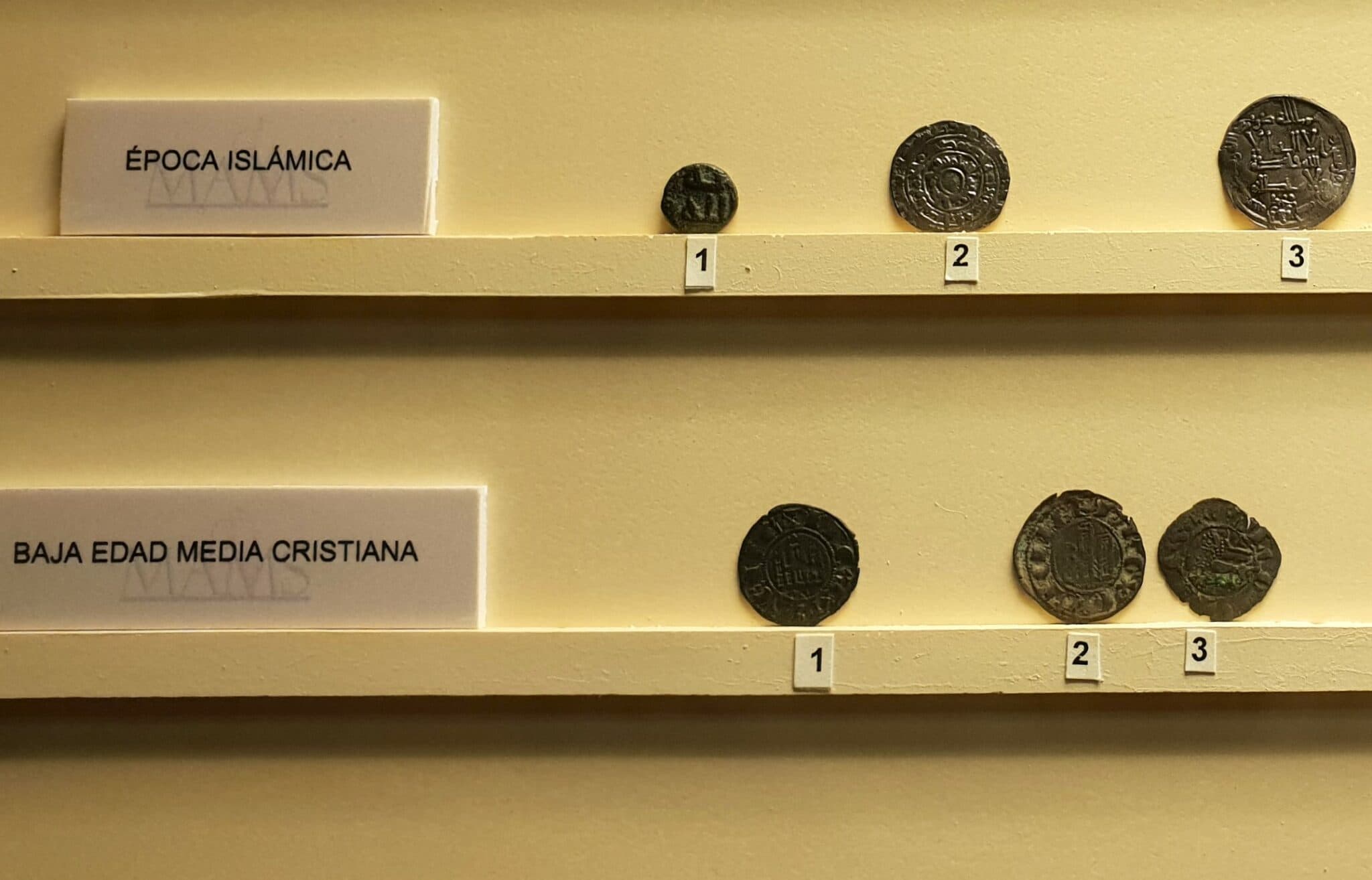
The Foundation — Safeguarding an Overlooked Memory
A preservation foundation was established with three core missions:
- Preservation: protect fragile manuscripts, archive safely, and digitize for access.
- Translation & Publication: critical editions and bilingual releases (Arabic/Spanish/English).
- Education & Dialogue: seminars, exhibitions, and scholarly exchange restoring shared memory.
The manuscripts are treated not as trophies, but as an amanah — a trust.
Ethical Note — Restoring Without Exploiting
History is not a triumphalist script. These records demand responsibility: scholarly rigor, humility, and refusal to turn memory into a battleground.
The intention is healing historical silence — not inflaming modern tension. Documents are human testimony: they deserve honesty and adab.
Poetic Epilogue — The Manuscripts Speak Back
بِالحِبْرِ قَد كُتِبَتْ حِكَايَاتُنَا، وَفِي الثَّيَابِ الْمَخْمَلِ تَرَكَتِ الزَّمَانُ بَصْمَتَهُ
In ink our stories slept; in velvet halls time left its mark.
Parchments unfolded like a patient night — names rose in Arabic script, clauses that once protected a widow’s field, a merchant’s permit, a crossing over the Strait.
Let not this truth be a blade in the present, but a compass toward the shared harbor where we once anchored together.
May preserving these manuscripts be sadaqah-jāriyah — ongoing charity — repairing hearts, enlightening minds, and guiding generations yet unseen.