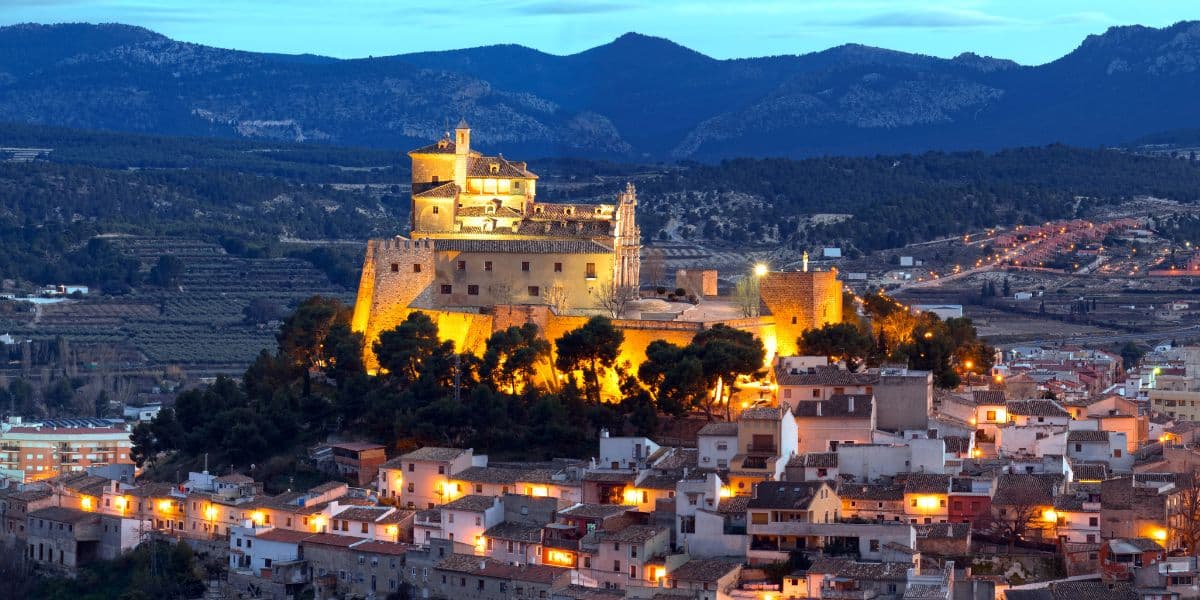
The Islamic Heritage of Murcia
Mursiyah | Murcia
The Garden of Al-Andalus — The Capital of Scholars, Water, and Spiritual Refinement
بِسْمِ اللَّهِ الرَّحْمَنِ الرَّحِيمِ
“And We sent down from the sky water in measure, and settled it in the earth. And indeed, We are able to take it away.”
Surah Al-Mu’minūn (23:18)
Founded by the Muslims in 211 AH / 825 CE by ʿAbd Al-Raḥmān II of Córdoba, Mursiyah was designed as a flourishing urban jewel with agriculture, science, and spirituality at its core.
Positioned along the Segura River, it emerged as one of the most refined and fertile cities of Islamic Spain.
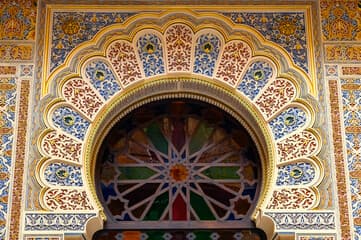
The Rise of Mursiyah — City of Water and Illumination
Mursiyah became:
- One of the most fertile agricultural capitals of Al-Andalus
- A model of Islamic water engineering
- A seat of scholarship, Sufism, medicine, and jurisprudence
- A crossroads of science between East and West
It was known as “مُرْسِيَةُ الخَضْرَاء — The Green Orchard of Al-Andalus.”
Its gardens, canals, orchards, and scholarly circles made it a city of balance — between land and soul.
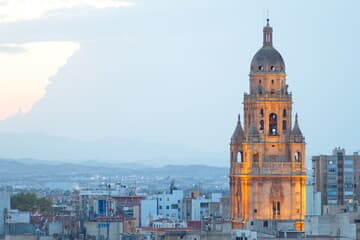
Islamic Achievements that Changed the World
The Muslims of Mursiyah established:
- The most advanced irrigation network in Europe
- Hydraulic waterwheels (norias) still functioning today
- Agricultural manuals influencing global farming
- Medical, pharmacological, and surgical advancements
- Spiritual fraternities and ribāts for ascetic worship
- Markets of perfume, paper, silk, medicine, and astronomy
Mursiyah became the science of cultivation — of land, intellect, and soul.
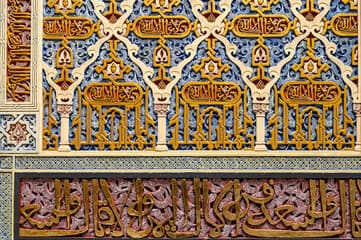
Great Figures of Mursiyah
Mursiyah nurtured towering figures whose influence reached across Al-Andalus:
- Ibn Mardanīsh — The Wolf King, founder of the Murcian Emirate, defender of Eastern Al-Andalus, patron of learning and strategy.
- Murcian physicians who expanded the surgical sciences of Al-Zahrāwī, advancing ophthalmology and anatomy.
- Abū Al-Khayr Al-Ishbīlī, whose agricultural science found its greatest application in Murcia.
- Abū ʿAbdillāh Al-Mursī, Sufi sage and master of heart refinement and remembrance.
- Al-Qāsim Ibn Firruh ash-Shāṭibī, whose recitational sciences were transmitted and expanded through Murcia.
“The garden of the earth dies without water; the garden of the heart dies without remembrance.”
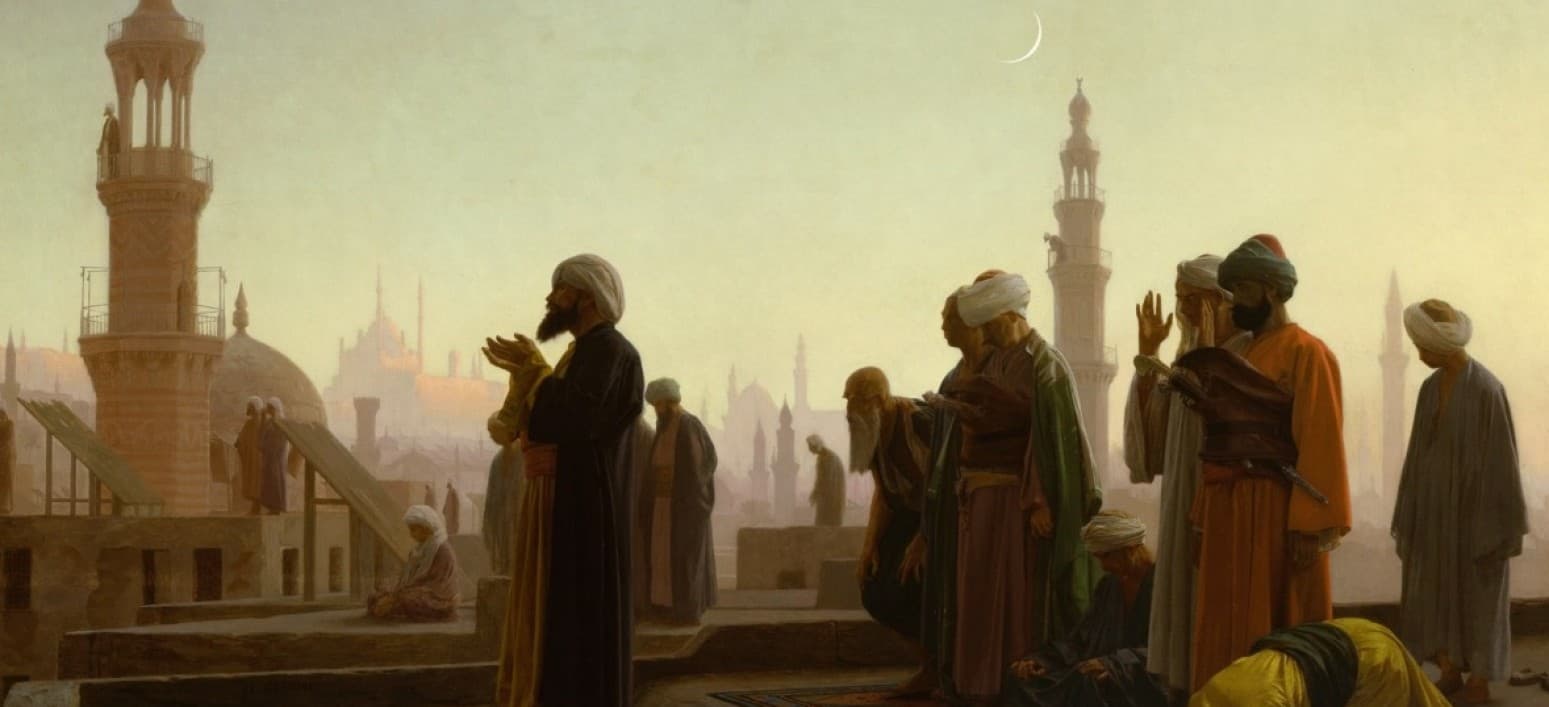
Islamic Landmarks and Living Legacy
During Islamic rule, Mursiyah contained:
- The Great Mosque of Mursiyah
- Madrasas of Qur’an, medicine, mathematics, and philology
- Agricultural institutes tied to irrigation observatories
- Ribāts for spiritual retreat and purification
- Commerce halls trading silk, glass, perfume, and medicine
- Libraries preserving scientific manuscripts
Its water system remains active — largely unchanged since Muslim rule.
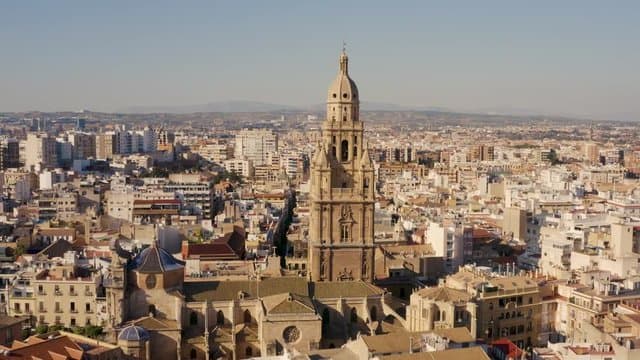
The Fall — And the Survival of the Spirit
Mursiyah fell in 667 AH / 1266 CE.
Yet Islam left behind:
- Europe’s most sophisticated irrigation network
- Water governance systems still used today
- Agricultural terminology rooted in Islamic
- Urban engineering that remains intact
- Spiritual memory preserved in place and name
The city fell — the legacy did not.
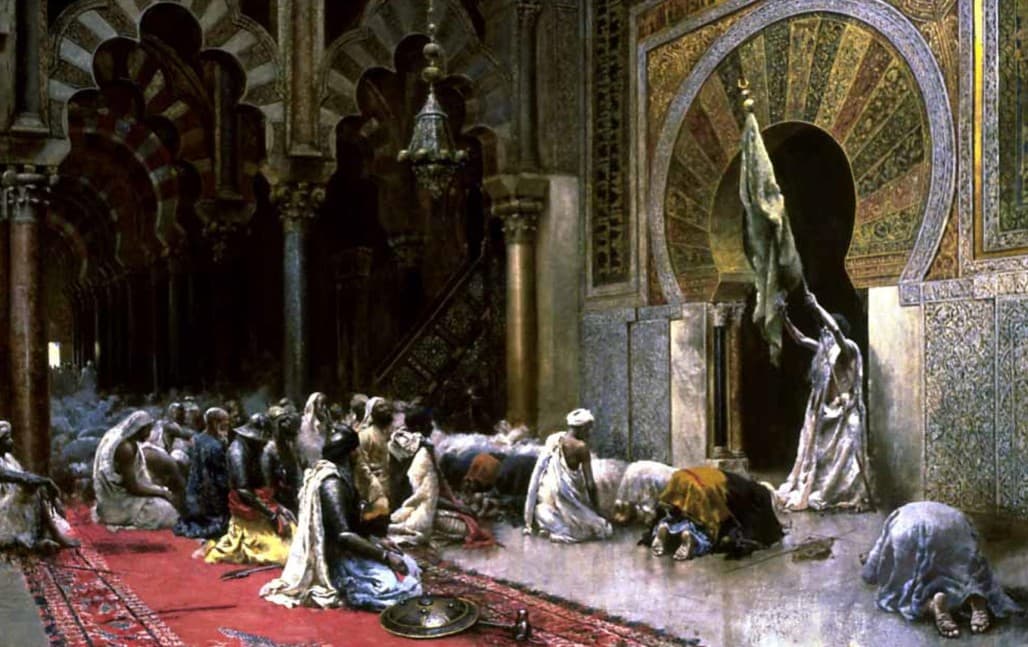
Qur’anic and Sufi Illumination
“And it is He who sends the winds as glad tidings before His mercy, and We send down pure water from the sky.”
Surah Al-Furqān (25:48)
“Whoever cultivates the earth but neglects the heart, harvests land but not light.”
Abū ʿAbdillāh Al-Mursī — May Allah sanctify his secret
Poetic Epilogue — The Orchard of Souls
O Mursiyah, green heart of Al-Andalus,
Your rivers carried more than water — they carried destiny.
Your scholars wrote with ink, your farmers wrote with roots,
Your saints wrote with breath, your martyrs wrote with blood.
You irrigated orchards and irrigated hearts,
You cultivated fields and cultivated faith.
Though minarets quieted, the river still recites: “From here Islam once flowed… and still flows within those who remember.”