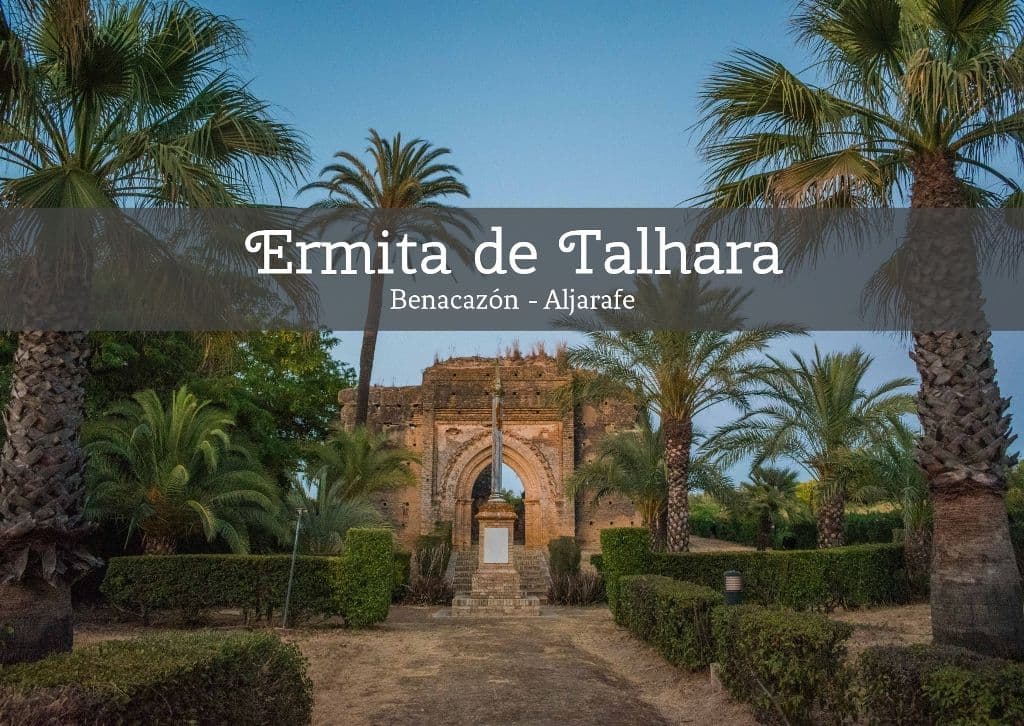
The Islamic Heritage of Benacazon
Banū Ibn Qassūm | Benacazón
The Lineage of Ibn Qassūm — Keepers of Land, Faith, and Noble Heritage
بِسْمِ اللَّهِ الرَّحْمَنِ الرَّحِيمِ
The name Benacazón originates from the Arabic Banū Ibn Qassūm — “the sons (descendants) of Ibn Qassūm.”
This confirms the settlement as a lineage-based Andalusi village, founded and sustained by a Muslim family whose identity was rooted in stewardship, trust, and responsibility.
“We made you into nations and tribes so that you may know one another. Verily, the most noble of you in the sight of Allah is the most righteous.”
Surah Al-Ḥujurāt (49:13)
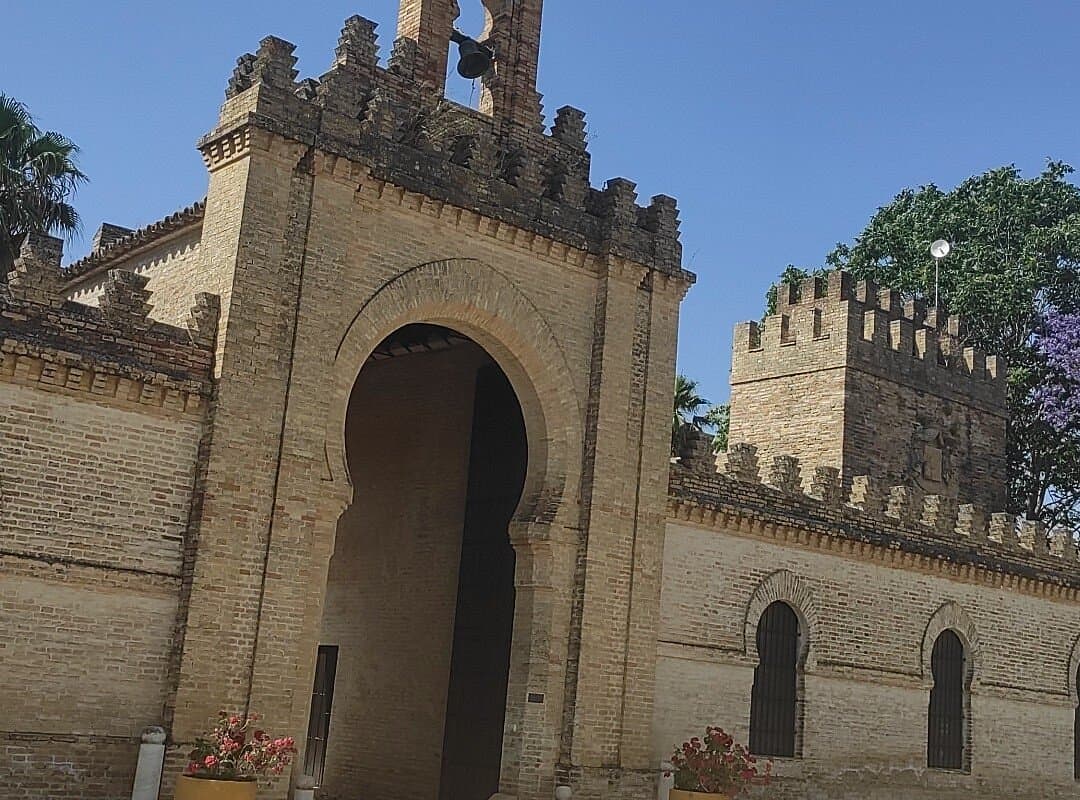
A Settlement Built on Kinship and Stewardship
Banū Ibn Qassūm was not a capital nor a fortress. Its strength lay elsewhere:
- Agriculture rooted in lineage and belonging
- Community bound by family duty and mutual care
- Quiet service to the wider province of Ishbīliya (Seville)
- Dignity expressed through continuity, not conquest
Its greatness was not loud — it was enduring.
“It is He who produced you from the earth and settled you in it.”
Surah Hūd (11:61)
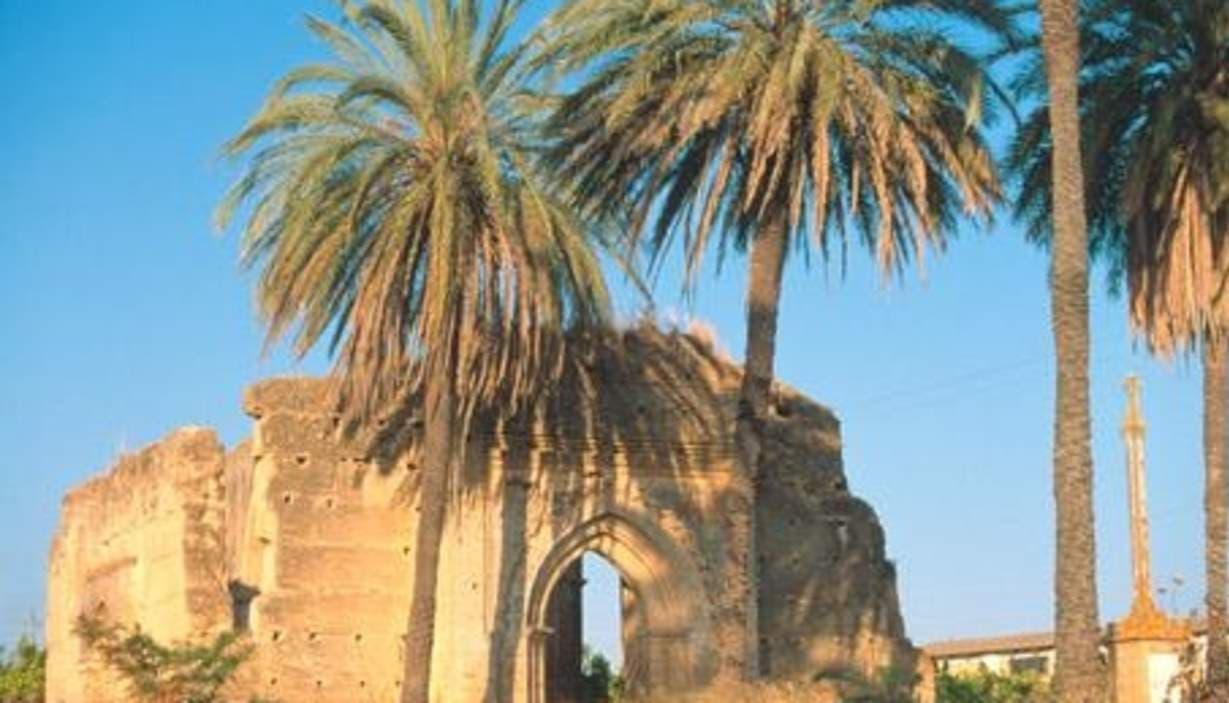
Historical Frame within Al-Andalus
- 8th–10th c. — Founded and populated by the lineage of Ibn Qassūm
- 10th–12th c. — Agricultural support to the Ishbīliya province
- 13th c. — Pressured during Castilian advance toward Seville
- Post-1248 — Displacement and assimilation, yet name preserved legacy
“And these days We alternate among people…”
Surah Aal ʿImrān (3:140)
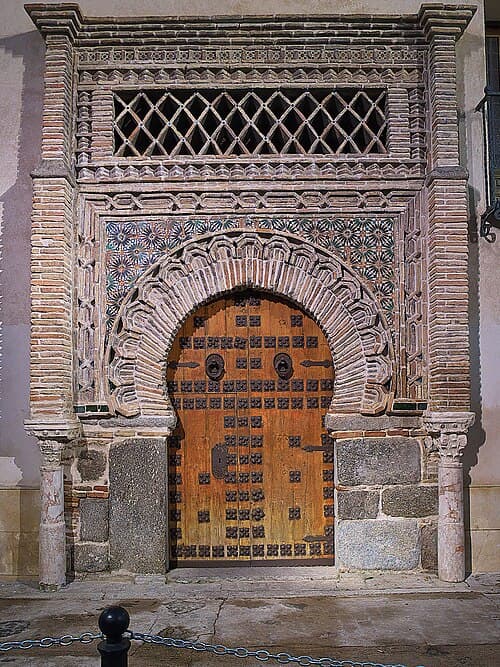
The Character of Banū Ibn Qassūm
This village represents the quiet Andalusi archetype:
- Lineage over luxury
- Land over palaces
- Faith woven into daily labor
- Honor preserved through conduct
- Dhikr carried without proclamation
When capitals fell, places like Benacazón endured through rootedness.
“Those who remember Allah standing, sitting, and on their sides, and reflect upon the creation…”
Surah Aal ʿImrān (3:191)
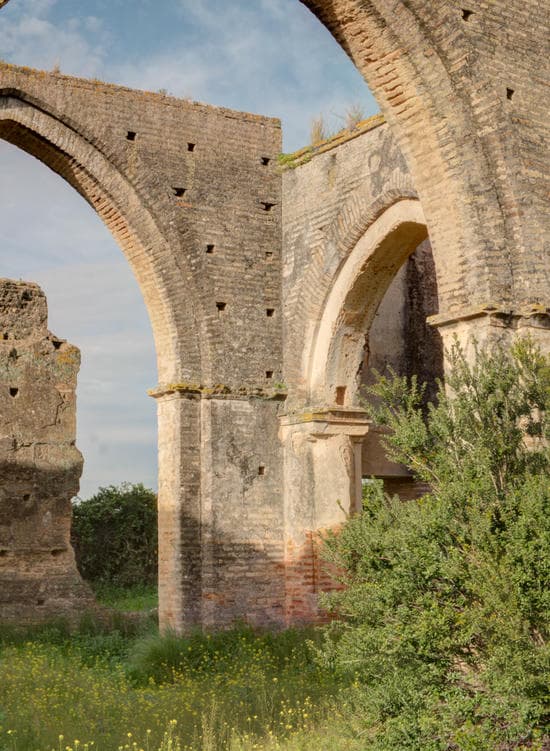
Agricultural and Social Legacy
Banū Ibn Qassūm excelled in:
- Irrigation inherited from Andalusi hydraulic science
- Olive groves, orchards, cereals, and crop cycles
- Herbal knowledge and seasonal farming wisdom
- Hospitality and regional support networks
“And We placed therein gardens of palm trees and grapevines and caused springs to gush forth within them.”
Surah Yā-Sīn (36:34)
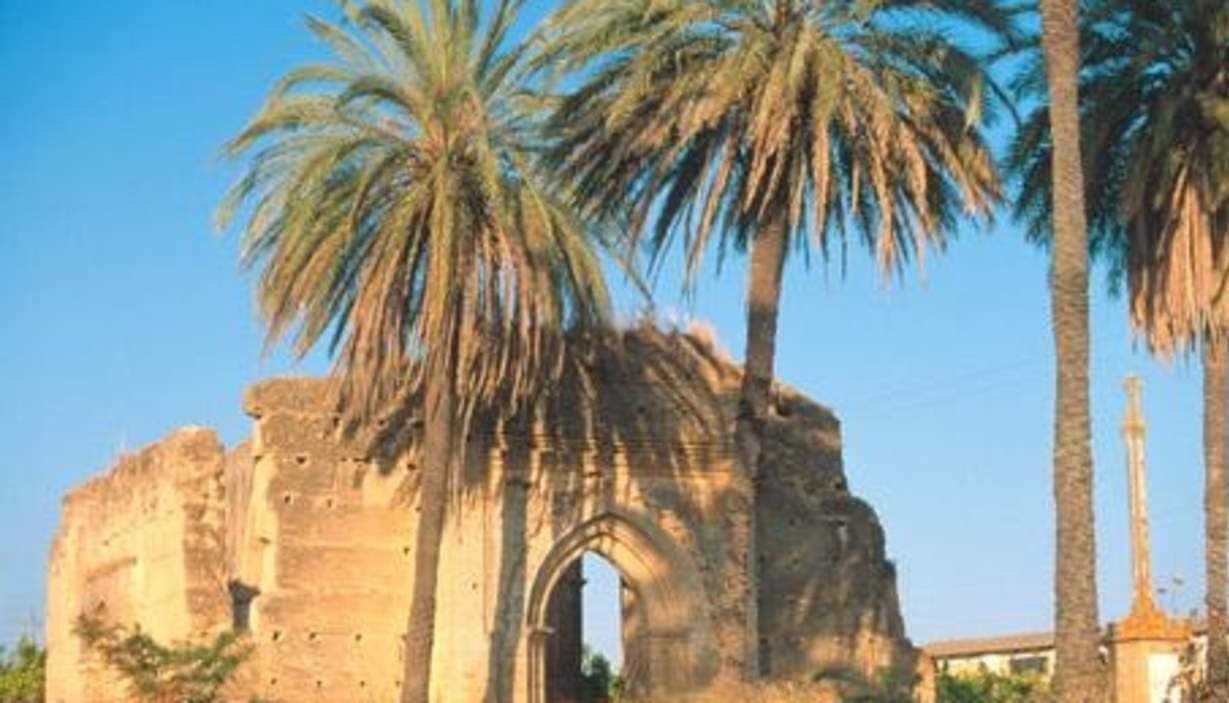
The Meaning of Ibn Qassūm as Legacy
To descend from Ibn Qassūm meant:
- Ancestral continuity
- Responsibility toward land and people
- Dignity upheld with humility
- Service rooted in kinship
While rulers built cities, families like Banū Ibn Qassūm ensured civilization survived beyond rulers.
“Indeed, Allah commands justice, excellence, and generosity toward relatives…”
Surah An-Naḥl (16:90)

Closing Reflection — Quiet Roots of Civilization
Benacazón reminds us that:
- Legacy is not only written in chronicles
- Nobility is not exclusive to princes
- Endurance belongs to rooted families
- The quietest places often carry the deepest truth
“The enduring good deeds are better with your Lord for reward and for hope.”
Surah Al-Kahf (18:46)

Poetic Closure — From the Lament of Al-Andalus
لكل شيءٍ إذا ما تم نقصانُ فلا يُغرَّ بطيبِ العيش إنسانُ
All affairs, when perfected, move toward decline — so let not ease deceive the soul.
يا غافلاً وله في الدهر موعظةٌ إن كنت في سِنَةٍ فالدهرُ يقظانُ
O heedless one — time carries its lessons; if you sleep, know that time never does.