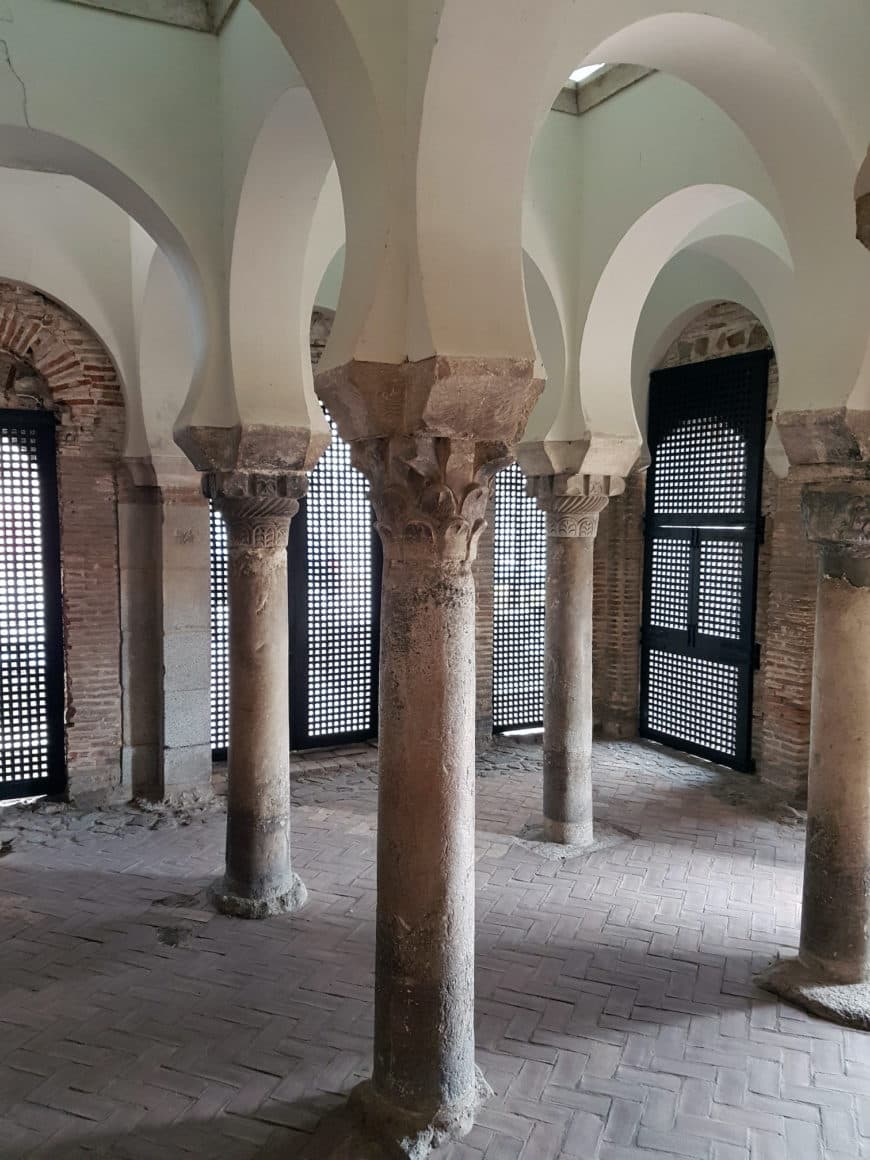
The Islamic Heritage of Toledo
Ṭulayṭulah (Toledo) — The Crown of Knowledge
The City of Translators, Scholars, and Spiritual Sovereignty
بِسْمِ ٱللَّٰهِ ٱلرَّحْمَٰنِ ٱلرَّحِيمِ
“Indeed, it is not the eyes that are blinded, but it is the hearts in the chests that grow blind.”
Surah Al-Hajj (22:46)
When Al-Andalus was illuminated by the arrival of Islam in 92 AH / 711 CE, Toledo — then known as Ṭulayṭulah — swiftly became one of the most important centers of governance, scholarship, spirituality, and civil administration.
Under the Umayyads of Damascus and later Córdoba, the city emerged as a jewel of knowledge where Muslim, Jewish, and Christian scholars coexisted under a sacred covenant of civilization.
A Mihrab of Knowledge — Not Merely a City
Ṭulayṭulah was not simply a city — it was a mihrab of knowledge.
Here, jurisprudence, astronomy, linguistics, architecture, medicine, mathematics, and esoteric spiritual sciences flourished side by side.
Manuscripts spoke louder than swords, and ink carried more honor than gold.
Its libraries, containing hundreds of thousands of volumes, shaped not only Al-Andalus, but the intellectual destiny of Europe itself.
Ṭulayṭulah in the Islamic Golden Age
Between the 4th–6th centuries AH (10th–12th CE), Toledo became:
- The intellectual embassy between East and West
- The first translation capital of Europe
- A sanctuary of Qur’anic sciences, medicine, philosophy, mathematics, and astronomy
- A bastion of Sufi spiritual refinement
- A model of interfaith academic collaboration
Here, Arabic books did not sleep on shelves — they built the future of civilizations.
Masters, Scholars, and the Chain of Illumination
Ṭulayṭulah nurtured and influenced some of the greatest minds of the Ummah:
- Imam Al-Qāsim Ibn Firruh Ash-Shāṭibī — master of Qur’anic recitation science
- Qāḍī Yahyā Ibn Yahyā Al-Laythī — transmitter of Mālikī jurisprudence to Al-Andalus
- Al-Zahrāwī (Albucasis) — father of modern surgery
- The Sage of Toledo — polymath of astronomy, logic, and metaphysics
- Ibn Barraǧān — Sufi master and cosmological exegete
Their influence traveled through Africa, the Middle East, and Europe — shaping legal systems, medicine, philosophy, and spiritual thought.
The Spiritual Ecology of Ṭulayṭulah
Toledo was not only a city of pages — it was a city of souls.
Zawāyā stood beside madrasas. Night gatherings of dhikr accompanied academic discourse.
The city understood a timeless truth: knowledge without purification breeds arrogance, and worship without knowledge breeds imbalance.
“The heart is a secret between Allah and His servant. Only those who polish it with remembrance will see its truth.”
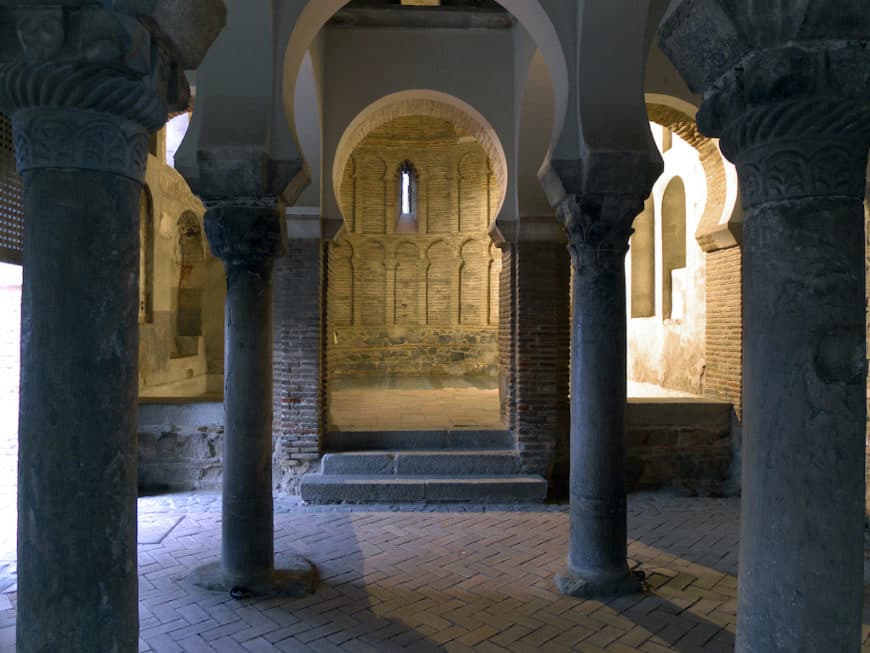
Ṭulayṭulah and the Translation Movement
In Toledo, Arabic knowledge flowed into Latin, Hebrew, and Castilian.
Works of medicine, mathematics, philosophy, astronomy, and metaphysics were translated — forming the backbone of the European Renaissance.
Without Ṭulayṭulah, Europe’s intellectual awakening would have been delayed by centuries — if it had occurred at all.
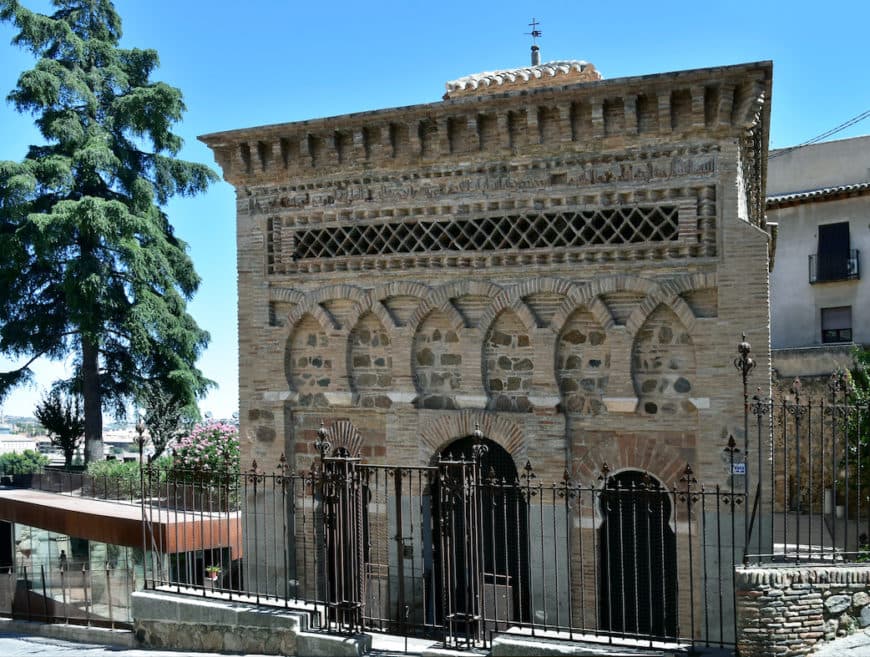
The Fall — And the Echo That Remained
In 478 AH / 1085 CE, Toledo fell to the Kingdom of Castile.
Libraries were emptied, scholars dispersed, institutions dismantled — yet no conquest could erase what had already been transmitted to the world.
The Qur’an shaped reciters, medicine healed nations, mathematics built cities, and spiritual sciences polished souls long after the city’s walls changed hands.
وَقُلْ رَبِّ زِدْنِي عِلْمًا
“And say: My Lord, increase me in knowledge.” — Surah Ṭāhā (20:114)
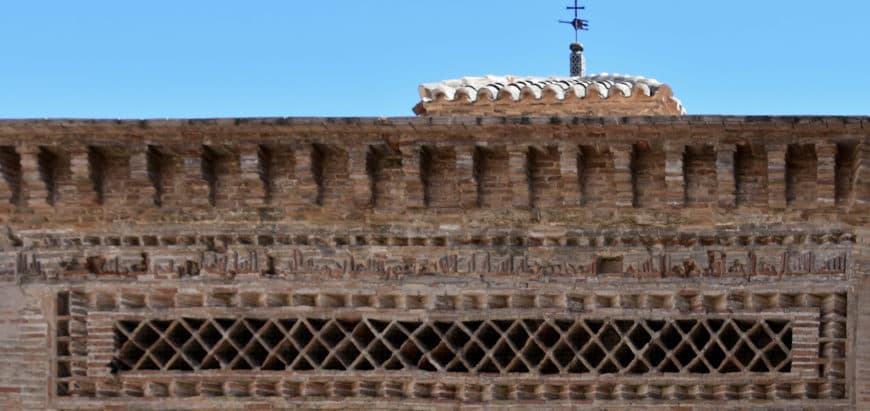
Ṭulayṭulah — A Legacy That Multiplied
Toledo gifted the Ummah:
- The preservation of Qur’anic recitation sciences
- The establishment of Mālikī jurisprudence
- Transmission chains spanning Africa, the Maghreb, and the Middle East
- A civilizational model uniting knowledge, spirituality, and dignity
Cities may fall — but illumination does not.
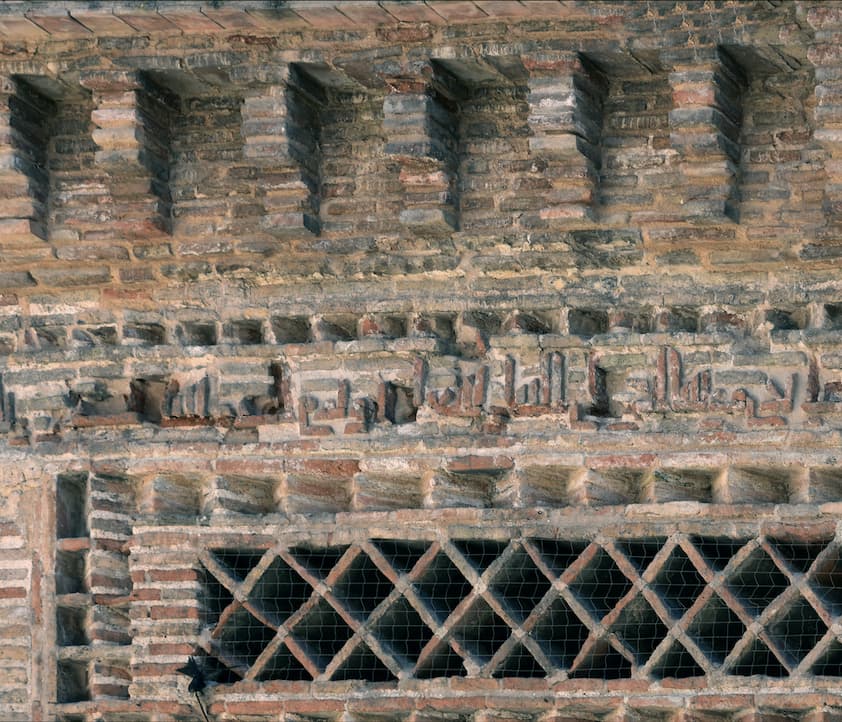
Poetic Epilogue — Ṭulayṭulah
O Ṭulayṭulah, pearl suspended between rivers and revelation,
City of pens humming louder than the clamor of war.
Your minarets taught Europe the alphabet of stars,
Your libraries were lighthouses for wandering intellects.
Empires claimed your gates — yet none possessed your spirit.
For knowledge is never conquered when carried in the chests of believers.
Ṭulayṭulah, you did not fall — you multiplied.