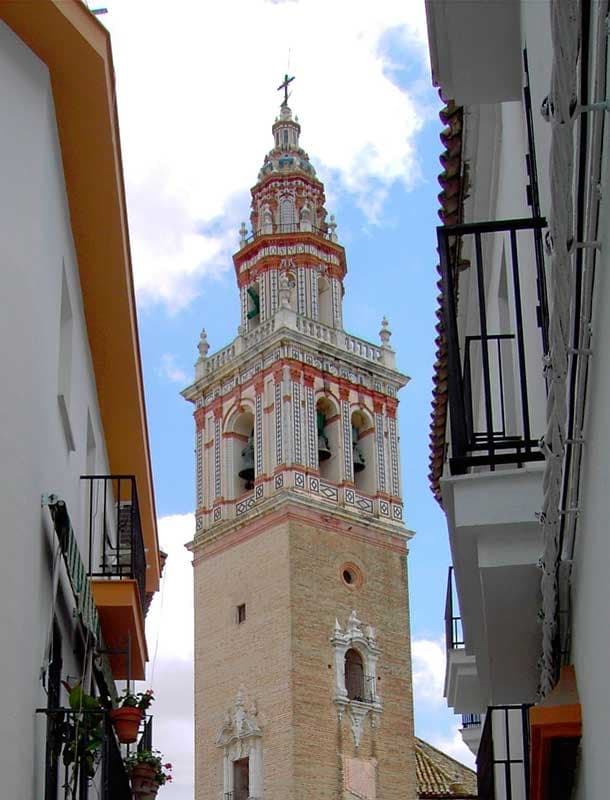
The Islamic Heritage of Ecija
Istijjah | Écija
City of Sun, Scholars, Water Wheels, and the Radiance of Andalusian Learning
بِسْمِ اللَّهِ الرَّحْمَنِ الرَّحِيمِ
“He sends down water from the sky, and the valleys flow according to their measure…”
Surah Ar-Raʿd (13:17)
Known in Islamic times as Istijjah, Écija stood among the most radiant cities of Al-Andalus.
Bathed in golden sunlight and nourished by the Genil River, it became a jewel of science, agriculture, and refined scholarship between Qurṭuba and Ishbīliyyah.
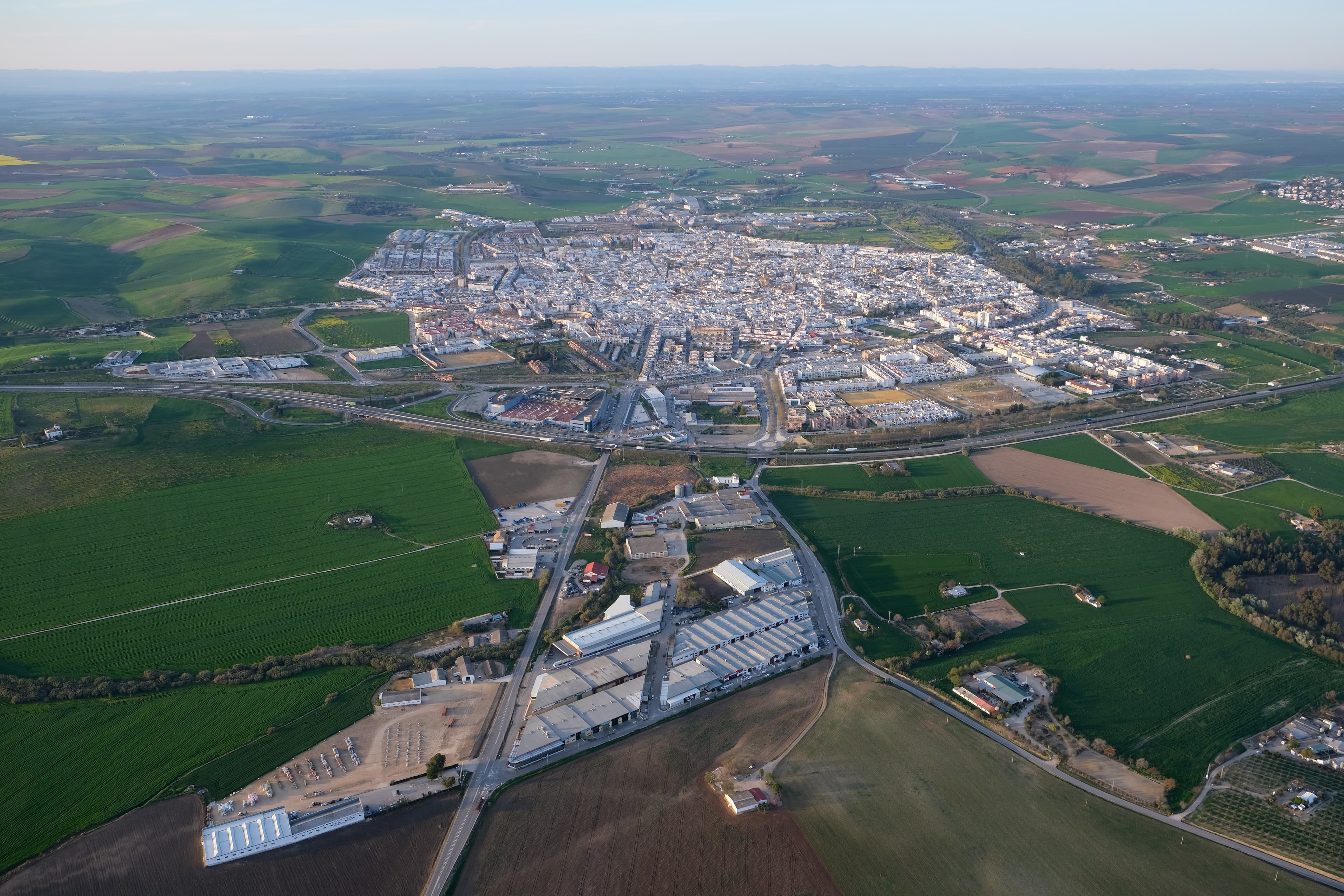
Istijjah — The Jewel of the River and the Sun
Istijjah was renowned for:
- Its intense sun, famous across Iberia
- Sophisticated hydraulic engineering and water-wheel systems
- Agricultural abundance fed by the Genil River
- Scholarship, jurisprudence, and adab
- A noble class of scientists, qāḍīs, and poets
It was often called “Madīnat Al-Shams — The City of the Sun” and “Durrat Al-Wādī — The Pearl of the Valley.”
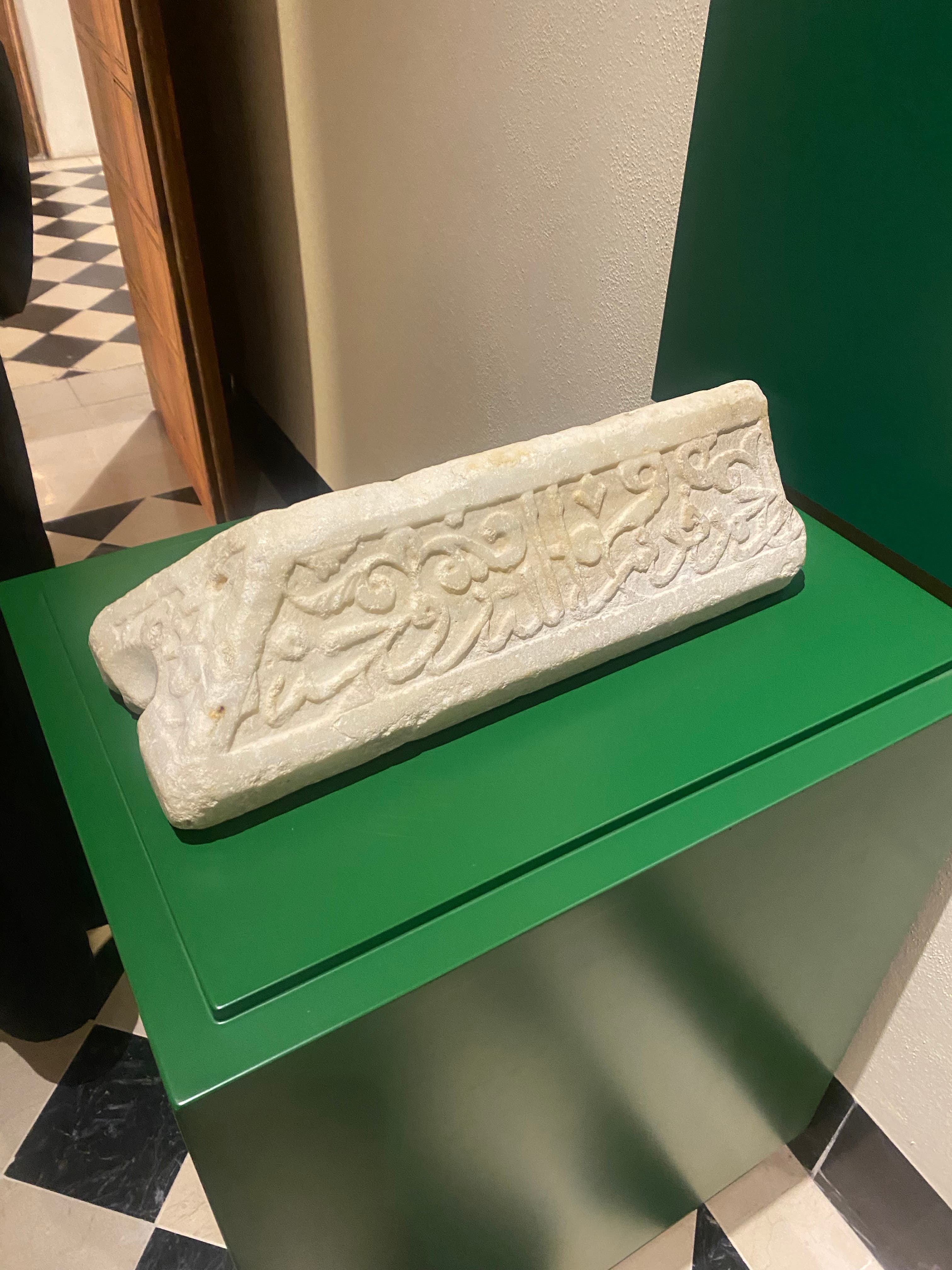
The Golden Age of Istijjah
Between the 8th and 13th centuries, Istijjah flourished as a center of balanced civilization:
- Advanced water extraction, mills, and irrigation
- River-driven noria engineering
- Heat-adapted agricultural cycles
- Markets supplying Córdoba, Seville, and Granada
- Jāmi‘ mosques, madrasas, and judicial courts
- Literary salons and Qur’anic schools
Its cultural prestige rivaled larger Andalusian capitals.
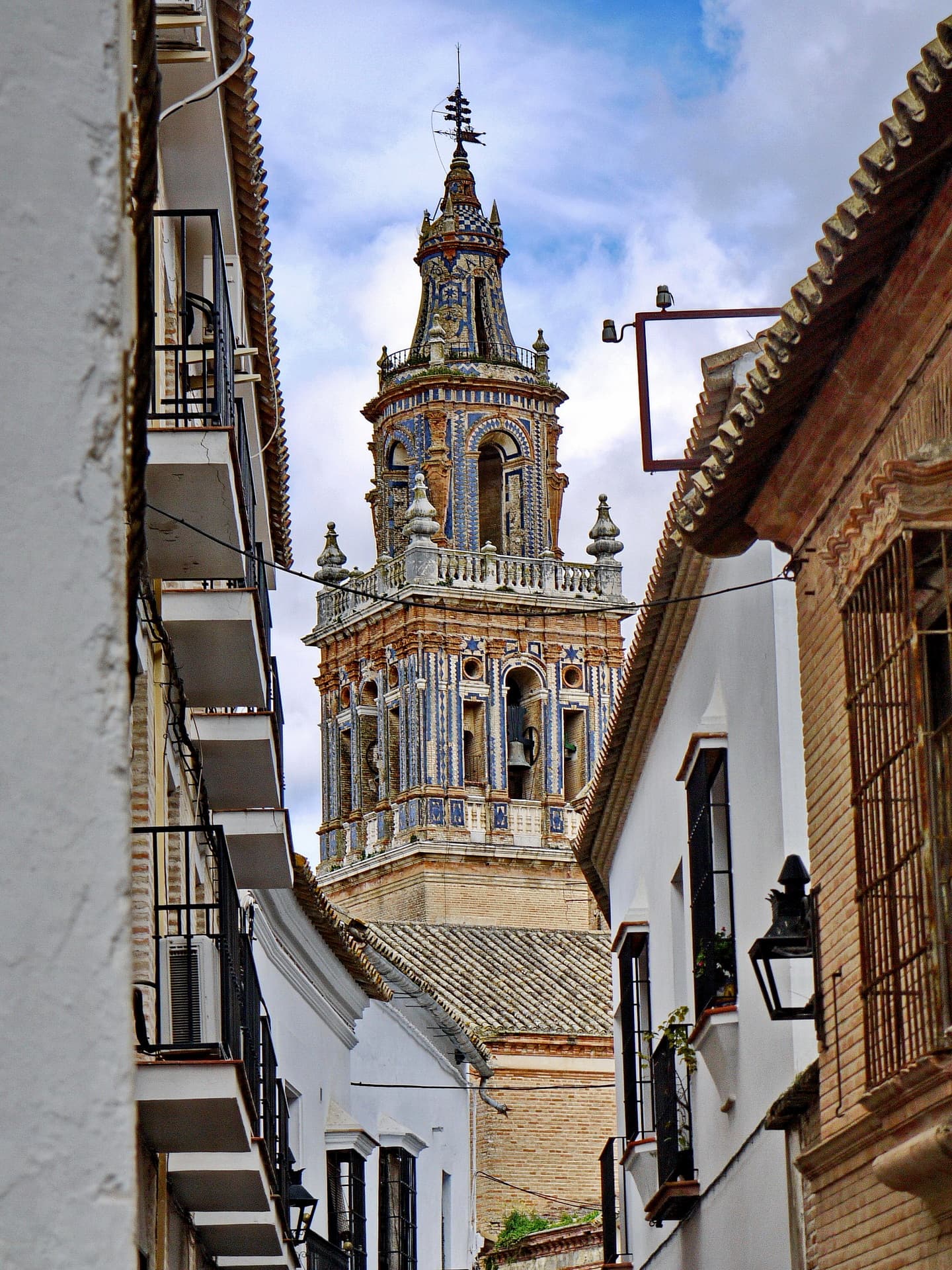
Spiritual and Scholarly Culture
Istijjah nurtured a disciplined scholarly and spiritual environment:
- Respected fuqahā’ and righteous judges
- Qur’anic reciters and teachers
- Early Sufi circles rooted in service and humility
- A reputation for ethical governance and moral precision
Knowledge here was not ornamental — it was lived.
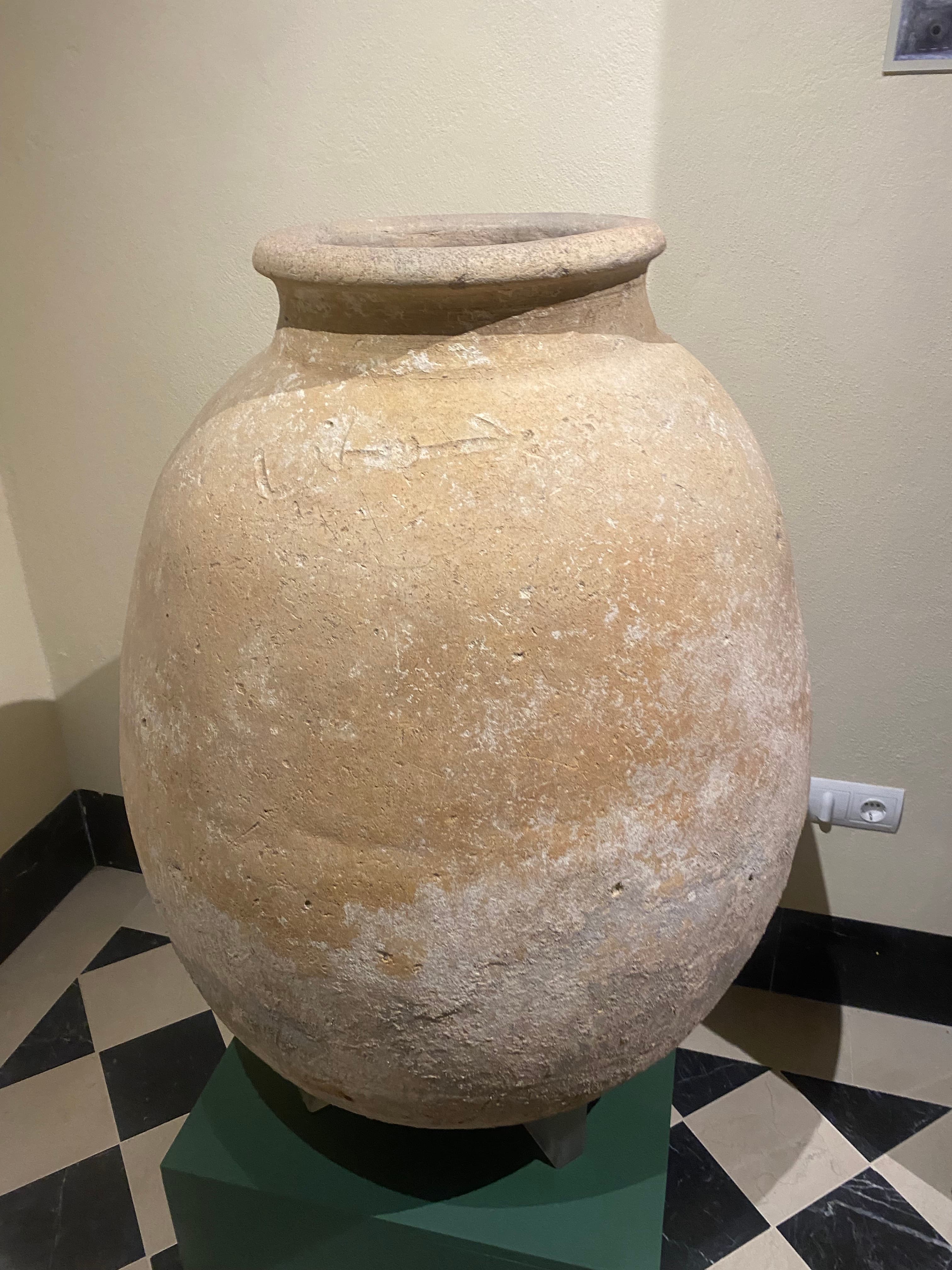
Luminaries of Istijjah
Among the figures connected to Istijjah:
- Al-Qāḍī ʿIyāḍ Al-Istijjī — jurist of Maliki precision and moral discipline.
- Abū Al-Qāsim Al-Istijjī — hydraulic engineer who refined water-wheel and irrigation systems.
- Ibn ʿAmmār Al-Istijjī — poet of elegance, virtue, and attachment to faith.
- Reciters of Ash-Shāṭibī’s tradition — carriers of Qur’anic transmission through Andalusian scholarly networks.
Through them, Istijjah contributed to law, science, poetry, and Qur’anic preservation.
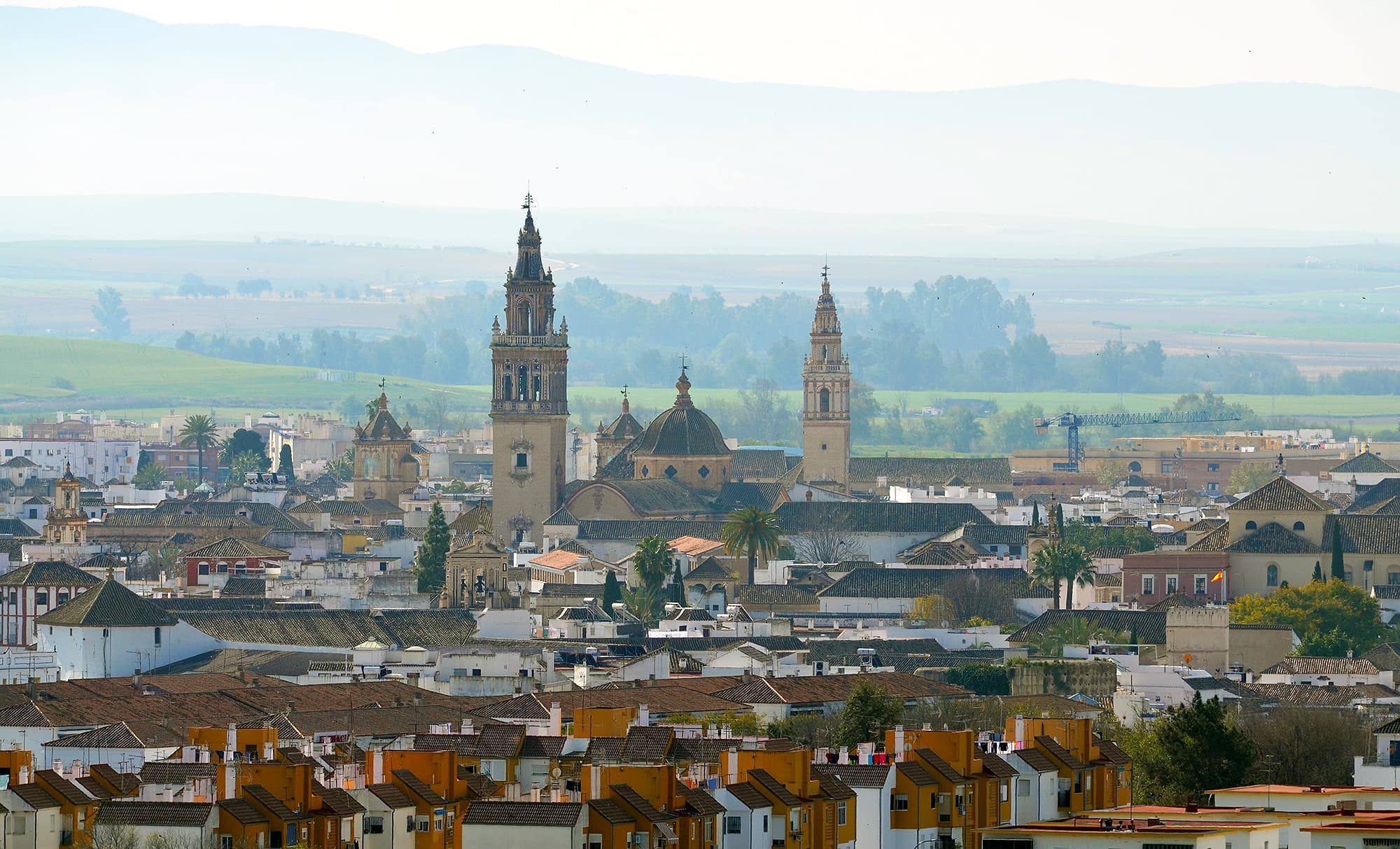
Islamic Urban Genius
Istijjah reflected Muslim scientific urban planning:
- Streets aligned for shade and airflow
- Water wheels placed for maximal efficiency
- Public baths heated by hydraulic systems
- Courts and mosques as civic nuclei
- Markets regulated by ethical commercial law (ḥisbah)
Faith, science, and civic life formed one continuous ecosystem.
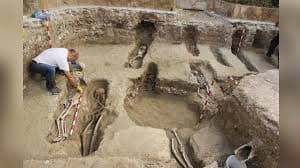
The Fall — And the Quiet Continuation
Istijjah fell in 1240 CE during the Castilian campaigns.
Walls were breached,
voices were silenced,
and the city was drawn into another chapter of history.
Yet its essence endured.
The water systems remained.
The agricultural memory remained.
Arabic toponyms remained.
The sun that once heard the adhān remained.
And beneath the very heart of the city,
the earth kept its trust.
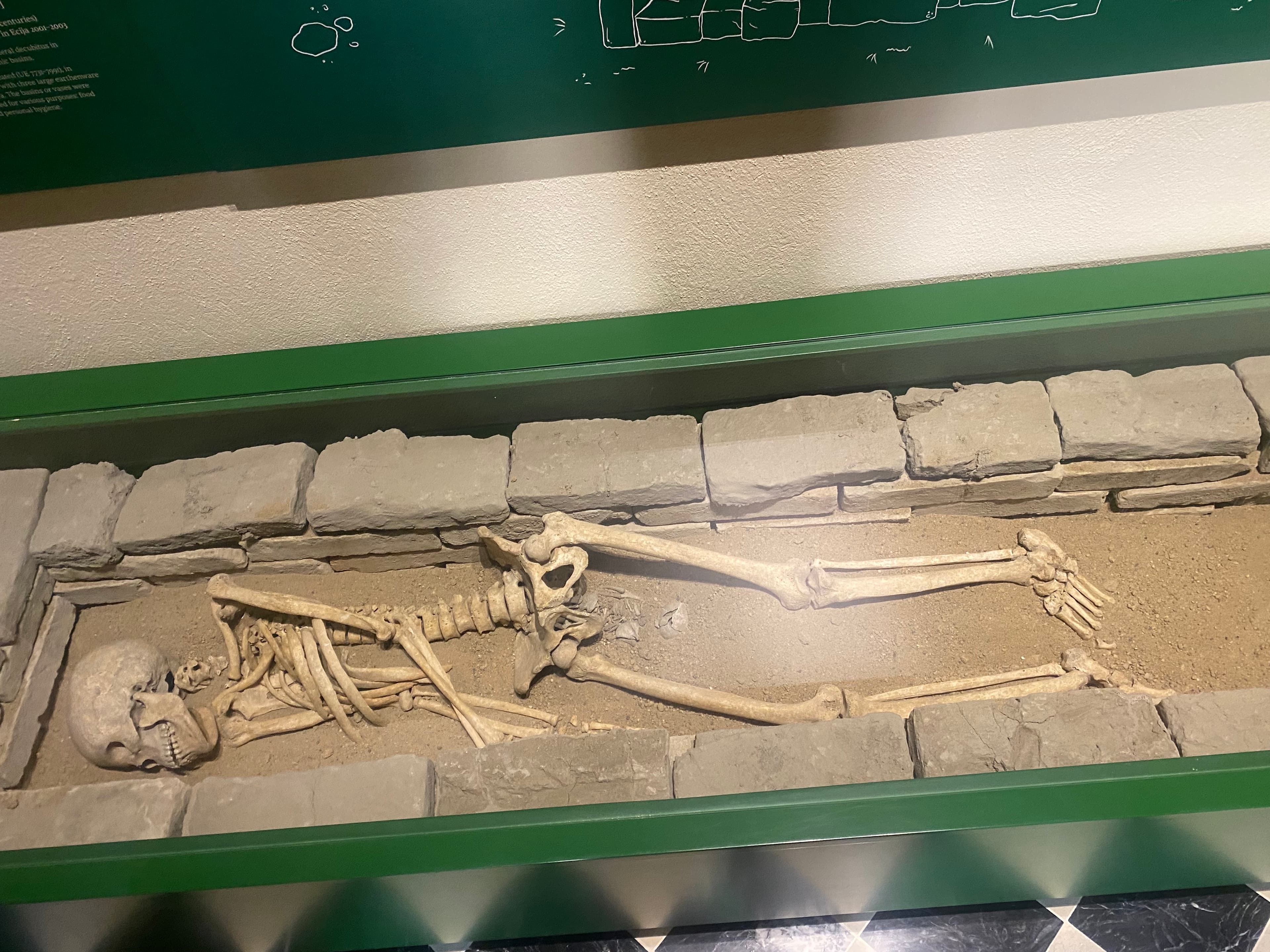
In recent years, more than four thousand five hundred Muslim shuhadāʾ were uncovered—
men, women, and children who stood at the dawn of al-Andalus,
dating back to the time of the first conquest of the Iberian Peninsula.
Among them were mothers found still carrying their unborn children,
their embryos resting within them—
life held gently even in martyrdom.
A testimony without words,
yet louder than chronicles.
And these are not all.
The Fall — And the Quiet Continuation
And these are not all.
Thousands more have already been detected,
still waiting beneath the soil—
patient, dignified,
awaiting their moment of truth to rise into remembrance.
This discovery is not merely archaeological.
It is a return of light.
Just as they once arrived carrying faith, order, and mercy,
they now re-emerge as witnesses across time and space,
restoring dignity to the city that sheltered them.
Their barakah did not end with their burial.
It flows eternally—
through generations,
through stones and streets,
through memory itself.
The city was not erased—
only muted, awaiting remembrance.
And now, Istijjah speaks again.
Qur’anic and Sufi Reflection
“Indeed, it is not the eyes that are blinded, but the hearts within the chests.”
Surah Al-Ḥajj (22:46)
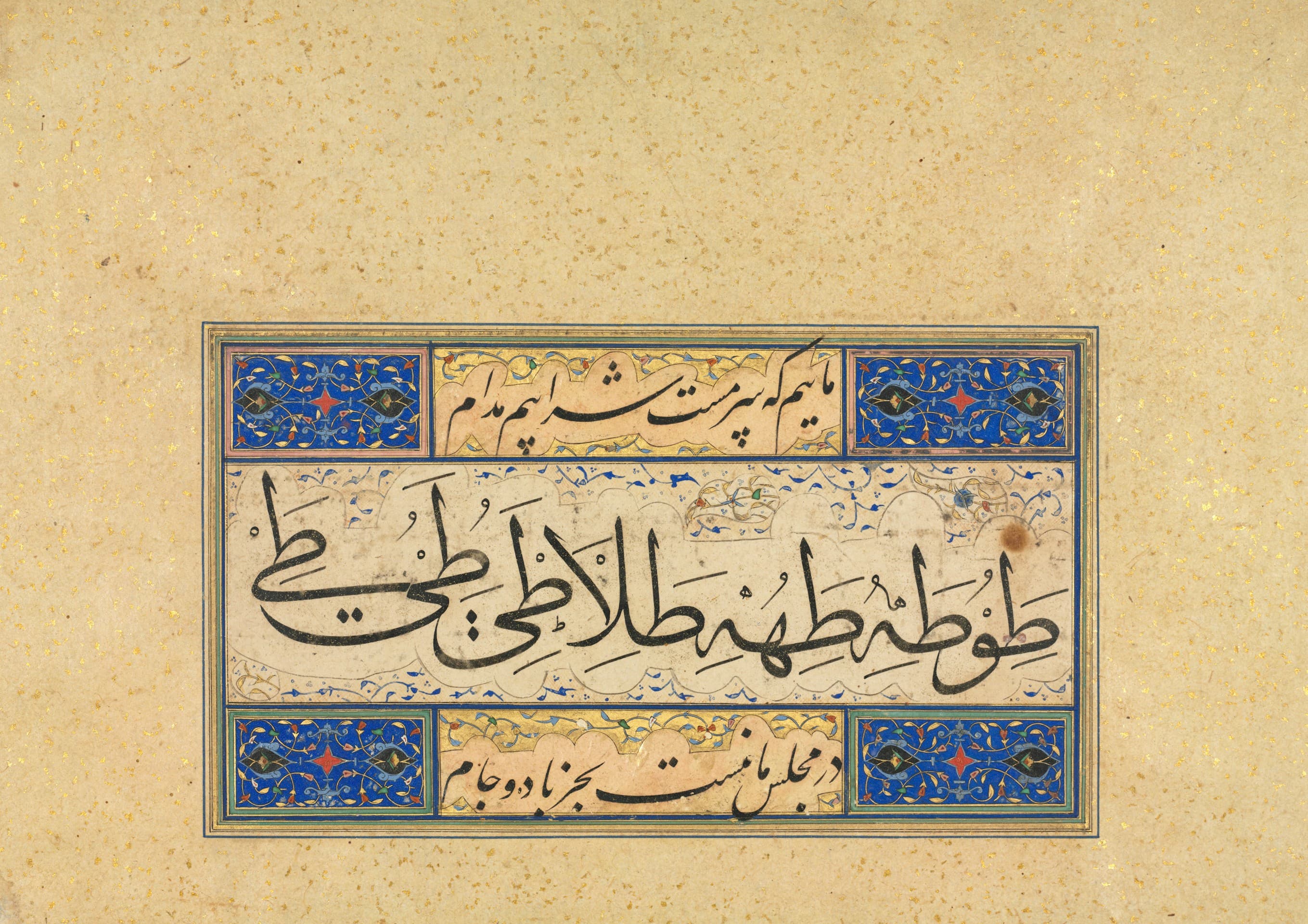
“The river that serves creation is better than a throne that serves only kings.”
The grand Sheikh Ibn ʿAṭāʾillāh Al-Sakandarī
Poetic Epilogue — The Sun Has Not Set
O Istijjah, City of the Sun,
city kissed by a golden decree,
even your shadows still shine.
Beneath your stones, the earth remembers.
Water still carries your name,
wheels still turn with Muslim mathematics,
and the sun still bows each evening
to the land that once prostrated to Allah.
Here, in the very heart of the city,
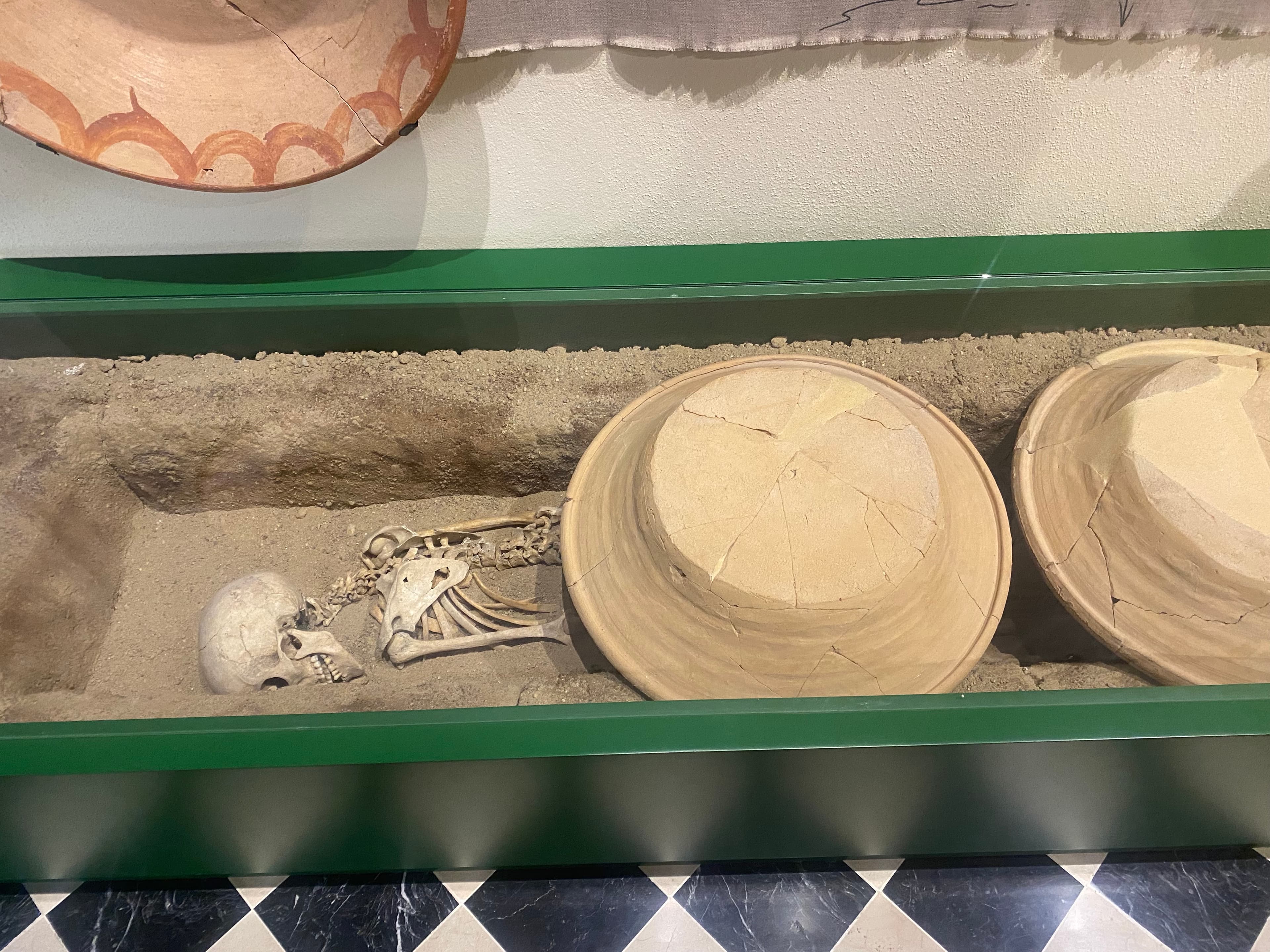
more than four thousand five hundred souls and thousands of others still waiting to be discovered.were laid to rest—
Men of prayer,
Women of patience,
Children of promise—
Shuhadāʾ who stood at the dawn of al-Andalus
when faith crossed the sea and history changed its course.
Poetic Epilogue — The Sun Has Not Set
Among them, mothers were found
still carrying their unborn children,
embracing life even as martyrdom embraced them.
No scream reached the sky,
yet the earth itself bore witness.
They were not buried in silence—
they were entrusted to time.
Cities are not lost
when their martyrs still speak beneath the soil,
when their rivers still teach,
and when their warmth still nourishes the traveler.
O City of the Sun,
your light did not fade,
it merely descended into the ground
to rise again in memory,
in dignity,
and in truth.
Your dawn never truly ended.