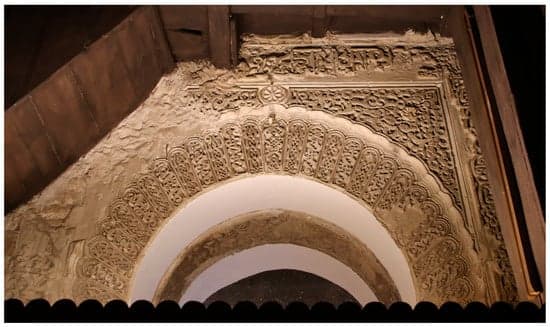
The Islamic Heritage of Ronda
Ronda
City of the Cliff — Sanctuary of the Spirit, Bastion of Resistance
بِسْمِ اللَّهِ الرَّحْمَنِ الرَّحِيمِ
“Allah gives sovereignty to whom He wills and takes it from whom He wills. He honors whom He wills and humbles whom He wills. In His Hand is all good.”
Surah Aal-Imran (3:26)
Ronda’s name descends from the Arabic رُندة (Rundah), derived from rund — the laurel plant, a symbol of remembrance, resilience, and spiritual victory.
Under Islam, the city rose far beyond its Roman past, becoming a mountain citadel of faith, learning, and strategic defense.
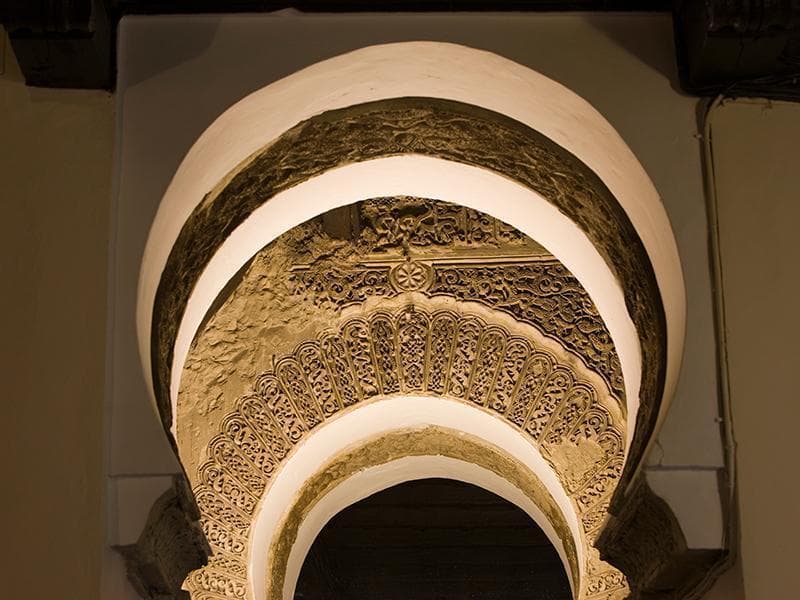
The City Between the Heights and the Abyss
Perched above dramatic gorges, Ronda embodied a metaphysical truth beloved by Andalusi sages:
- Elevation toward the Divine
- Humility before creation
- Certainty in Allah’s decree
“And on the earth are signs for those of certainty, and within yourselves—will you not then see?”
Surah Adh-Dhāriyāt (51:20–21)
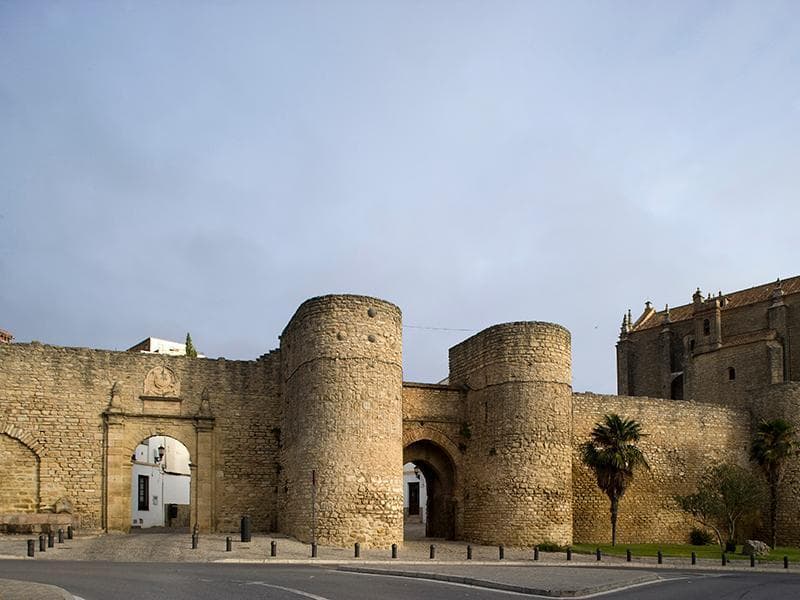
Ronda in the Age of Al-Andalus
- 711 CE — Islam enters Iberia; Ronda integrated into Al-Andalus
- 8th–10th c. — Fortifications, irrigation, and Sufi learning circles established
- 1039 — Governed under the Zirid Taifa of Granada
- 12th c. — Almohad expansion of defenses and the Alcazaba
- 1238 — Integrated into the Nasrid Kingdom of Granada
- 1485 — Fall to Castilian forces
“That was Allah's way with those 'hypocrites' who have gone before. And you will find no change in Allah's way”
Surah Al-Ahzāb (33:62)
Luminaries of Ronda
- Abū Al-Baqāʾ Ar-Rundī (1204–1285) — poet and conscience of Al-Andalus, author of Lament for Al-Andalus.
- Ibn ʿAbbād of Ronda (1332–1390) — Shādhilī Sufi master of inner purification.
- Ḥāmid Al-Zughbī — commander of post-1485 mountain resistance.
“How many times has a small force vanquished a mighty army by the Will of Allah! And Allah is 'always' with the .”steadfast
Surah Al-Baqarah (2:249)
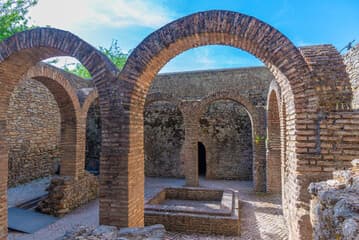
Sufi Ronda — The Mountain Zāwiyas
The peaks around Ronda sheltered zāwiyas where:
- Qur’an was recited beneath open skies
- Dhikr echoed through valleys
- Warriors and mystics shared the same cloaks of purpose
“Verily, in the remembrance of Allah do hearts find rest.”
Surah Ar-Raʿd (13:28)
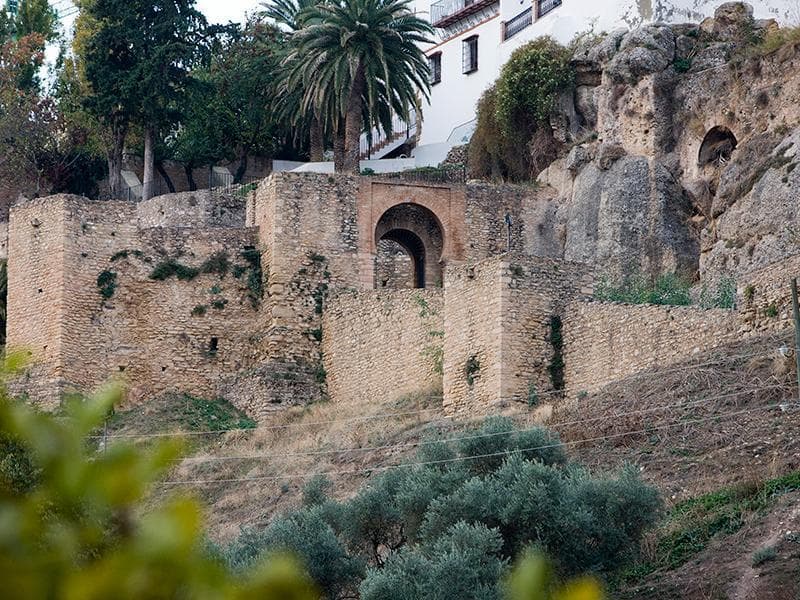
Resistance After 1485
Ronda refused silence after conquest:
- Families withdrew into the Serranía mountains
- Sufi lodges became centers of morale and strategy
- Ancient water tunnels and cliff paths were used
- Resistance continued through the Morisco Uprising (1568–1571)
“Indeed, with hardship comes ease.”
Surah Ash-Sharḥ (94:6)
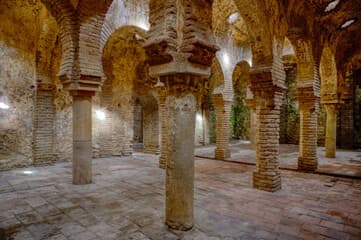
Civilizational Legacy
- Hydraulic mastery and cliff-carved water systems
- Agricultural terraces, olives, and laurel cultivation
- Mountain bridges and surveillance routes
- The Alcazaba and defensive infrastructure
“He produced you from the earth and settled you on it.”
Surah Hūd (11:61)
Poetic Epilogue — From the Lament of Al-Andalus
لكل شيءٍ إذا ما تم نقصانُ فلا يُغرَّ بطيبِ العيش إنسانُ
Everything, when perfected, begins its decline; Let none be deceived by the sweetness of time…
تبكي الحنيفيةُ البيضاء من أسفٍ كما بكى لفراق الإلف هيمانُ
Pure faith weeps in sorrow, like a lover mourning the beloved…
“And the final outcome is for the righteous.” — Surah Al-Aʿrāf (7:128)