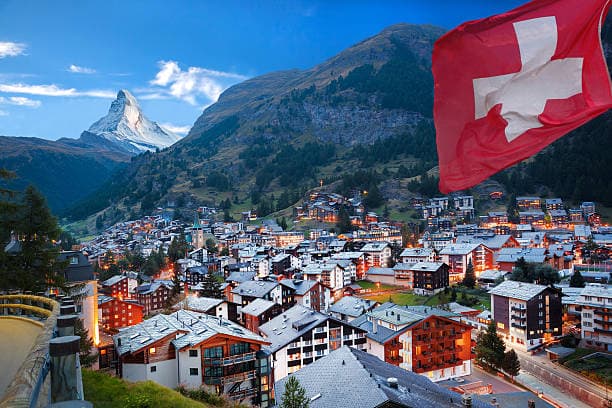
The Islamic Heritage of Switzerland
Where the Alps Remember Al-Andalus
“From Musa Ibn Nusayr and Tariq Ibn Ziyad to the Alps of the Vikings — Echoes of Islam Amidst the Mountains of Time”
In the name of Allah, the Most Compassionate, the Most Merciful — Switzerland, the serene heart of Europe, is a land where mountains touch the heavens and lakes mirror the Divine order. Yet beneath its snow-capped peace lies an untold story — one woven from the silken threads of Al-Andalus, the courage of the Caliphate of Córdoba, and the journeys of the Vikings who came as warriors and left as believers.
The Alps are not silent. They remember the whisper of the Qur’an carried by travelers, scholars, and soldiers of faith whose presence shaped the soul of early medieval Europe.
قُلْ سِيرُوا فِي الْأَرْضِ فَانظُرُوا كَيْفَ بَدَأَ الْخَلْقَ ثُمَّ اللَّهُ يُنشِئُ النَّشْأَةَ الْآخِرَةَ إِنَّ اللَّهَ عَلَىٰ كُلِّ شَيْءٍ قَدِيرٌ (العنكبوت: ٢٠)
Say, ˹O Prophet,˺ “Travel throughout the land and see how He originated the creation; then Allah will bring it into being one more time. Surely Allah is Most Capable of everything.”
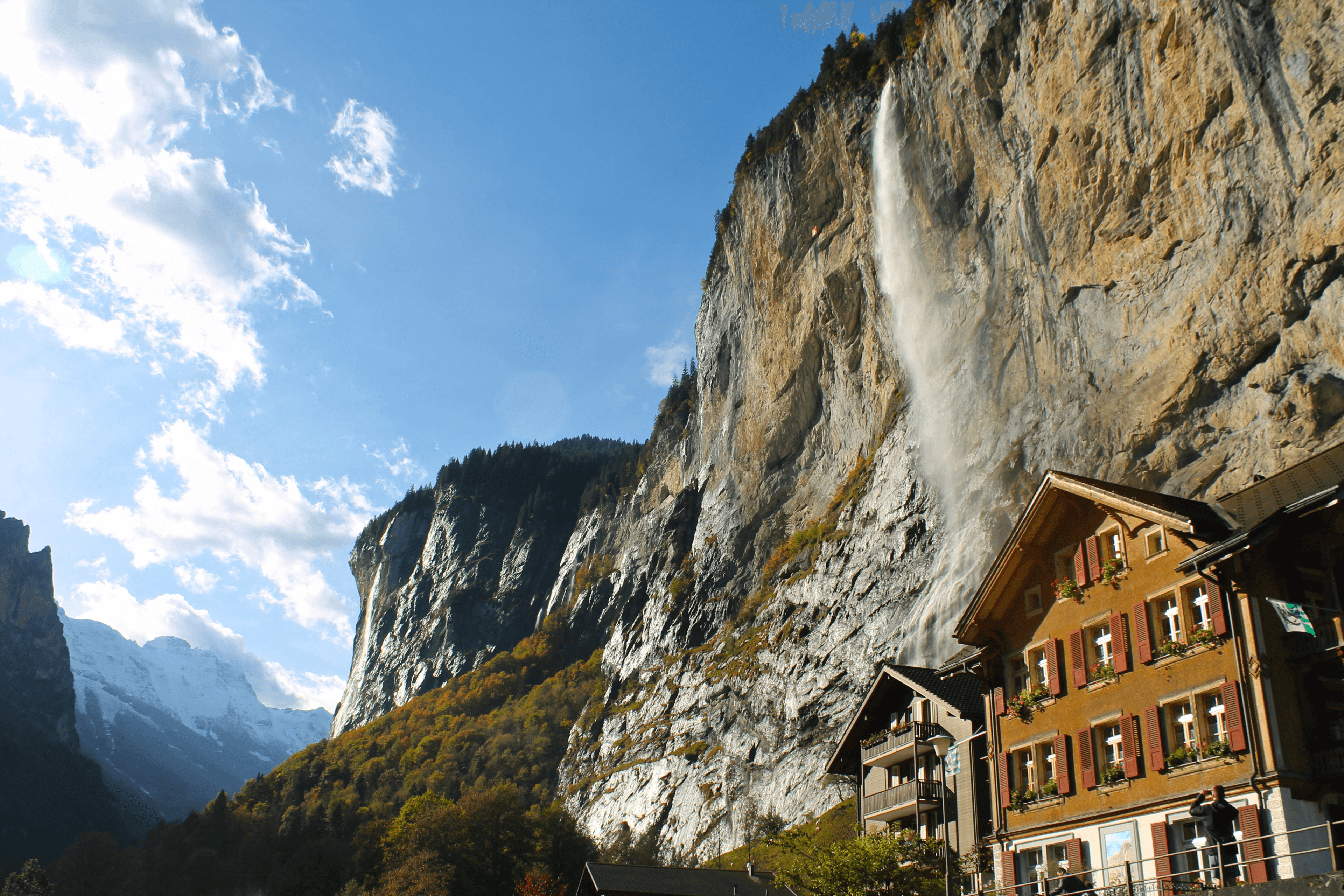
The Caliphate of Córdoba and the Viking Storm
During the 9th and 10th centuries, under the glorious reign of Sheikh Caliph Abdurrahman III (May Allah be pleased with him), the Caliphate of Córdoba stood as the jewel of the world — the beacon of civilization, knowledge, and Divine light. In that golden age, Lisbon (known then as Lishbūna), part of the Caliphate’s western frontier, was attacked by Viking raiders arriving from the northern seas. These Norse warriors swept through the Atlantic coasts, burning villages and striking terror across Iberia.
But the Caliphate responded with unity and might. Under the command of the faithful armies of Córdoba, the Muslims fought back fiercely — defending the western lands of Al-Andalus and defeating the Viking invaders in a historic confrontation. The battle marked a turning point, and many of those Vikings were taken captive.
Through the mercy of Allah and the example of justice in Islam, many of these Norse warriors embraced Islam. Some settled in Jerez de la Frontera, in the south of Al-Andalus — the land of vineyards, olive groves, and Qur’anic schools. Others journeyed north, carrying the light of their newfound faith back through the mountain passes — to what we now call Switzerland, where they settled among the alpine valleys and remained Muslims for generations.
For nearly one and a half centuries, the Alpine regions between present-day France, Switzerland, and northern Italywitnessed Muslim presence — not as conquerors, but as traders, scholars, and travelers preserving the Qur’anic rhythm amidst snow and stone.
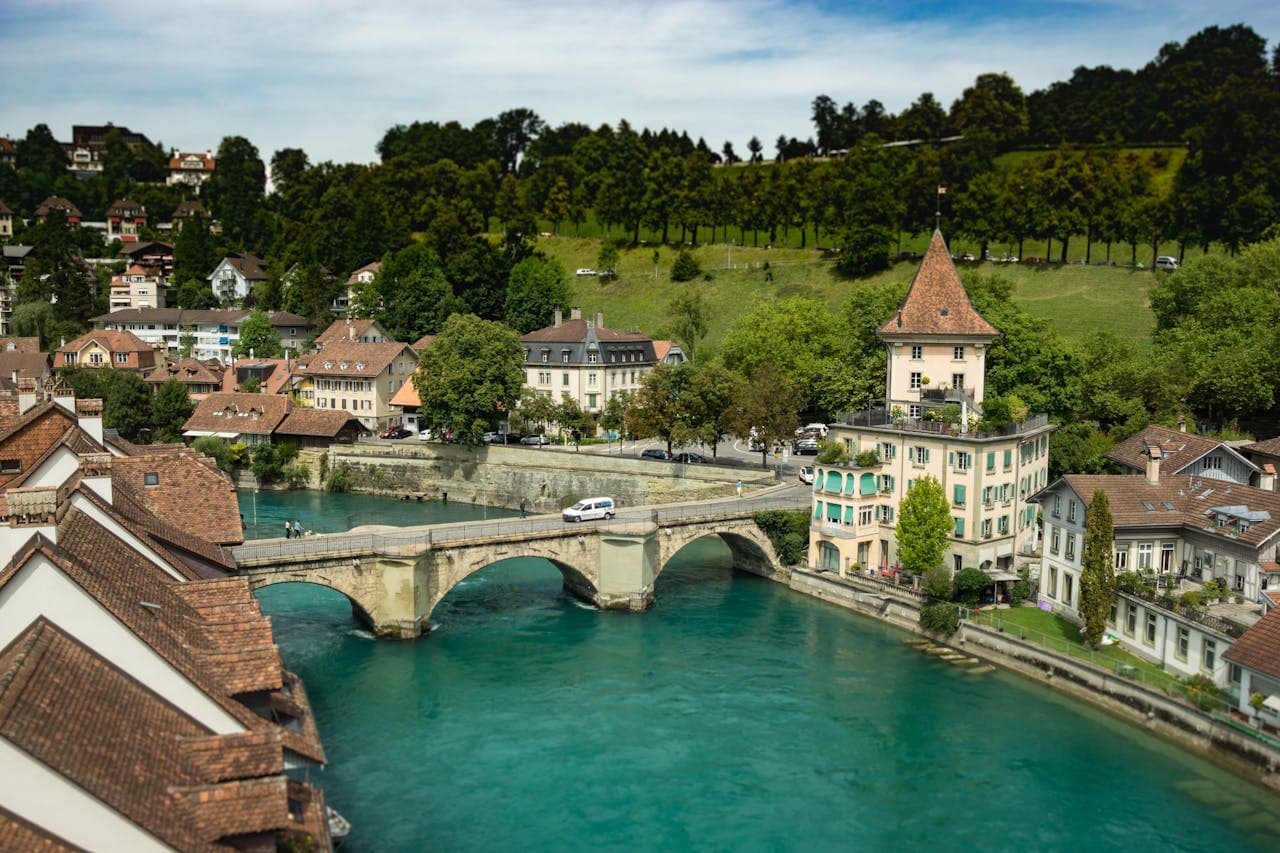
The Andalusian Connection – Fraxinetum and the Alpine Frontier
The journey of Islam into Switzerland flowed through Fraxinetum, the Andalusian stronghold in southern France, established by sailors and soldiers from Córdoba. From the Mediterranean coast, they crossed into the Rhône valley, securing alpine trade routes and mountain passes linking Provence, Savoy, and the Swiss territories.
Recent historical research — including archaeological findings and studies such as “The Saracen Raids of Early Medieval Switzerland” — affirms these Andalusian traces: fortified settlements, Arabic coins, and early cultural exchanges that show the Muslims of Al-Andalus reached the alpine heart of Europe.
For more than a century, Muslim communities lived, traded, and intermarried in regions that would one day be called Switzerland. The alpine valleys of Valais and Graubünden were not isolated — they were crossroads of knowledge, faith, and civilization.
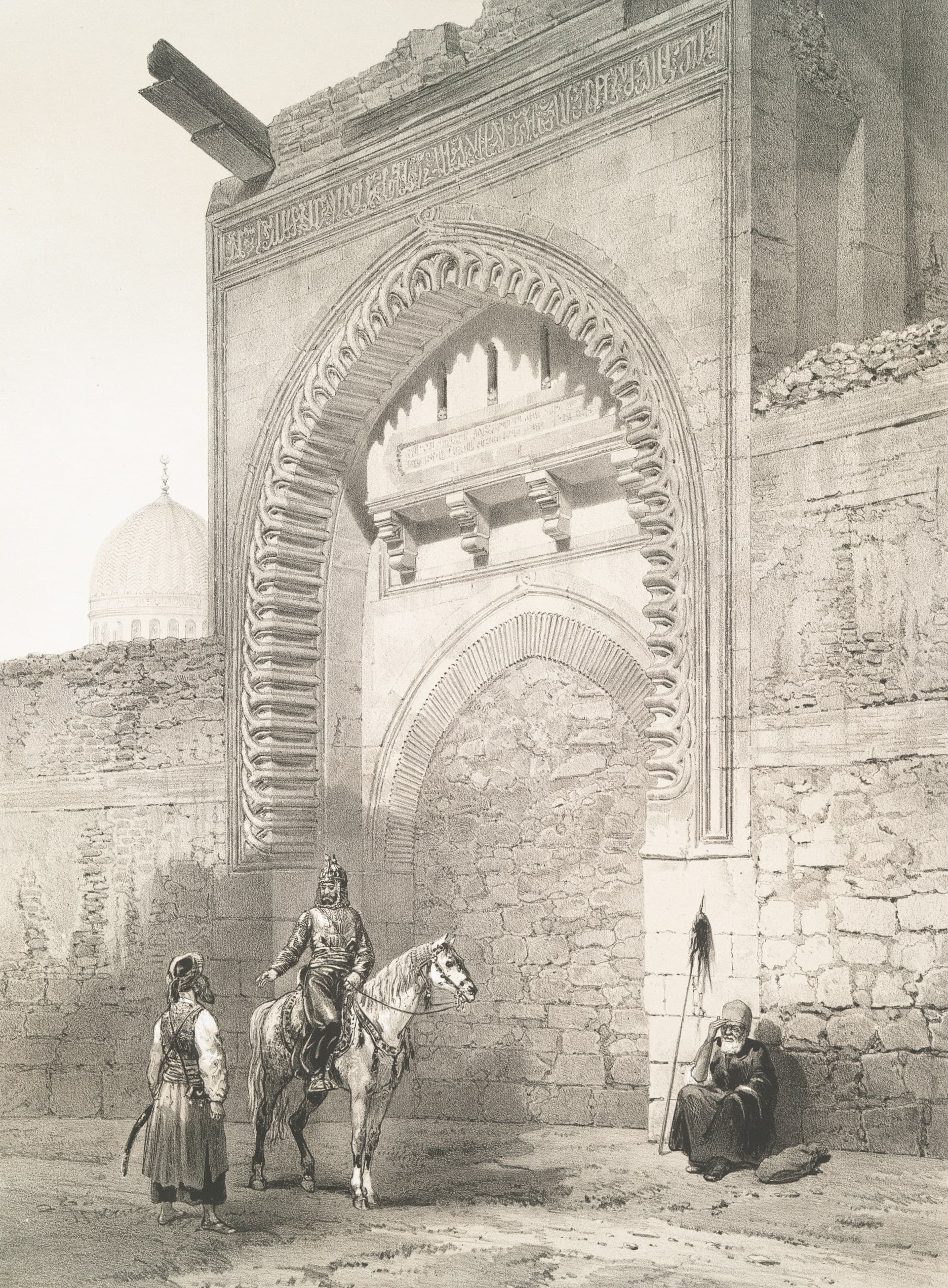
The Reverted Vikings and the Caliphate’s Legacy
Those Vikings who embraced Islam became known as “the White Andalusians” — warriors turned scholars, whose descendants blended Norse courage with Andalusian refinement. Their story was one of transformation — of hearts conquered not by swords, but by truth.
They returned northward, some to Scandinavia, others to the alpine passes of Helvetia. Their presence in Switzerland — recorded in both Islamic and European chronicles — left behind echoes of Qur’anic culture, Arabic inscriptions, and traces in place names and legends.
In this fusion of northern valor and southern enlightenment, Switzerland became — for a time — a northern reflection of Al-Andalus, a meeting place of civilizations under Allah’s decree.
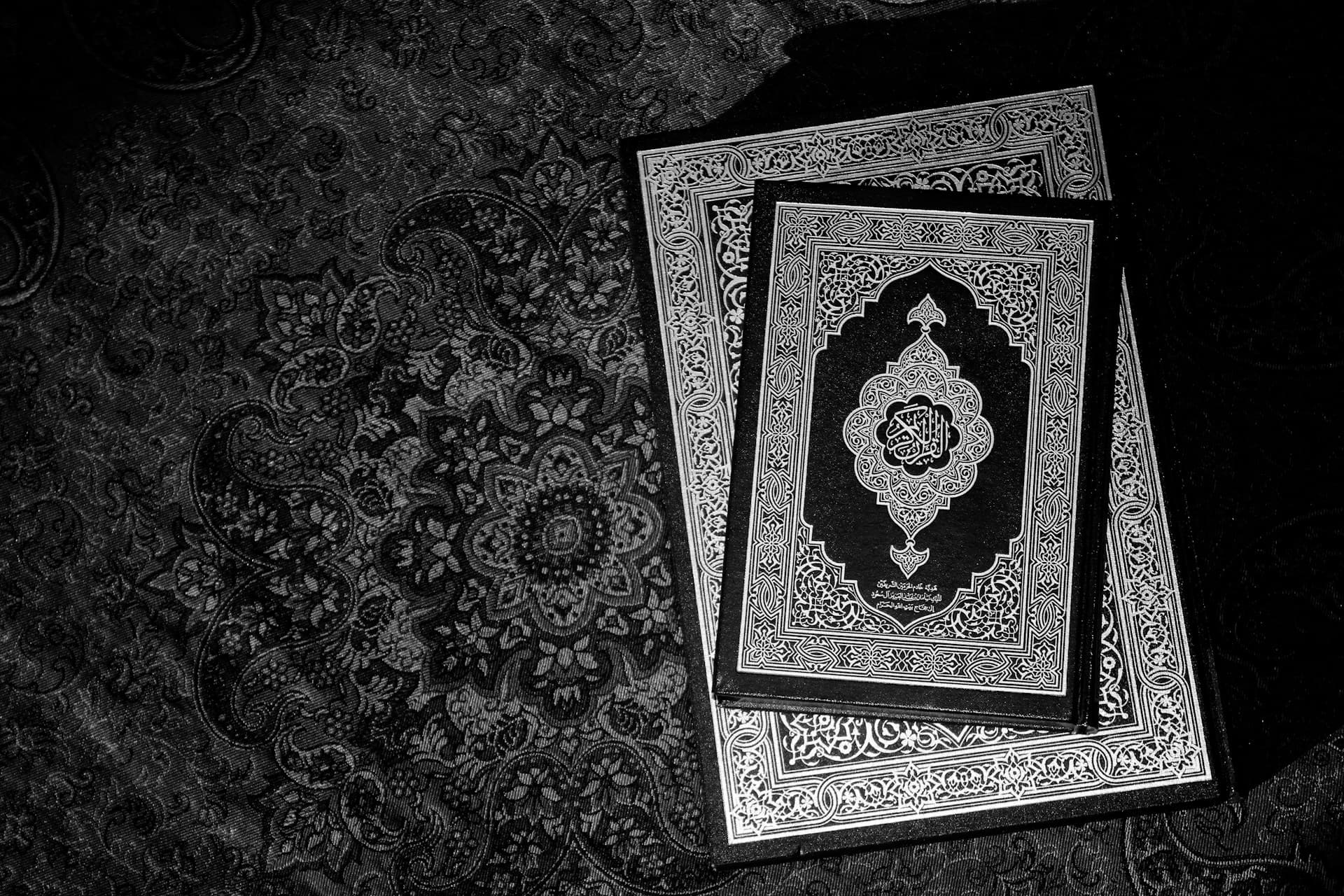
Switzerland – Between Al-Andalus and the Ottoman Dawn
As the centuries unfolded, Switzerland became a neutral crossroads again during the later Islamic centuries — hosting emissaries, scholars, and travelers linked to the Ottoman Empire, which maintained intellectual and diplomatic exchanges across Europe. This continuity of contact ensured that, even as the world changed, Islam’s dialogue with the Alps never fully ceased.
The same spirit of knowledge that shone from Córdoba flowed into the Renaissance universities of Europe — and into the alpine academies and observatories that rose centuries later. The Qur’anic command to seek knowledge had reached even these mountain lands.
“ Never think of those martyred in the cause of Allah as dead. Rather, they are alive with their Lord, well provided for — rejoicing in what Allah has granted them…” Surah Āl ʿImrān (3:169–170)
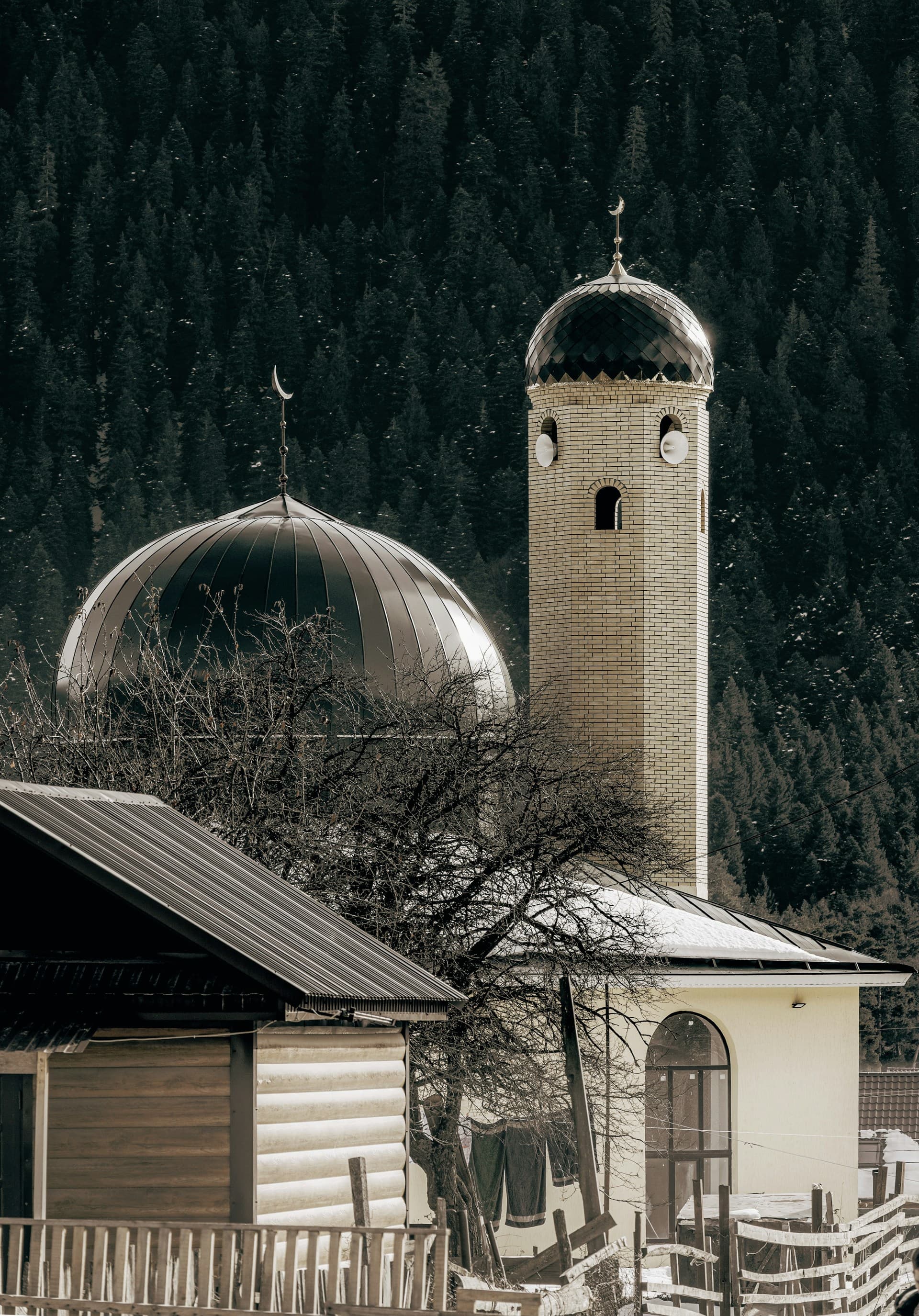
The Living Presence of Islam in Switzerland
Today, that light endures. In Geneva, the Islamic Cultural Foundation & Grand Mosque rises as a modern emblem of faith and dialogue — a place where the call to prayer ascends once more beneath the Alpine sky. In Zurich, Basel, Bern, and Lausanne, communities from every corner of the Ummah continue the legacy of those who first carried the Qur’an into these valleys a thousand years ago.
Switzerland has become once again what it once was — a bridge: between north and south, east and west, heart and intellect, faith and reflection.
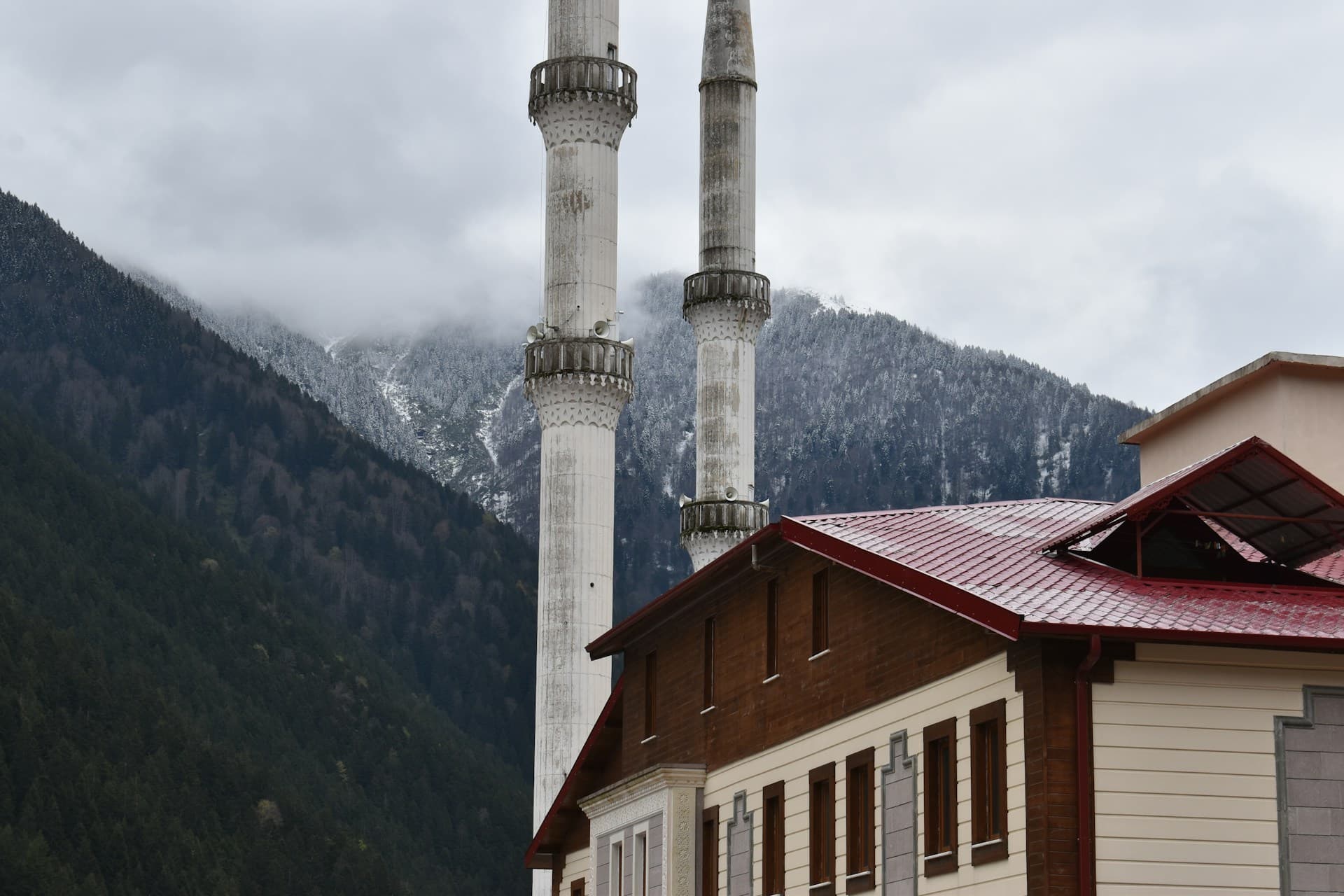
The Grand Awliya and Scholars of This Legacy
- Sheikh Musa Ibn Nusayr (May Allah be pleased with him) – conqueror and governor whose vision opened the path from the Maghrib to Al-Andalus and beyond.
- Sheikh Tariq Ibn Ziyad (May Allah be pleased with him) – the general who brought Islam to Iberia, setting in motion a chain of enlightenment reaching even the Alps.
- Sheikh Abdurrahman III (May Allah be pleased with him) – Caliph of Córdoba, defender of Islam against the Viking invaders, whose leadership transformed defeat into dawah.
- The Reverted Viking Muslims of Jerez de la Frontera – the silent carriers of Islam’s northern light.
- Sheikh Al-Sharif Al-Idrisi (May Allah be pleased with him) – the cartographer of divine horizons, whose maps traced the mountains that once sheltered believers.
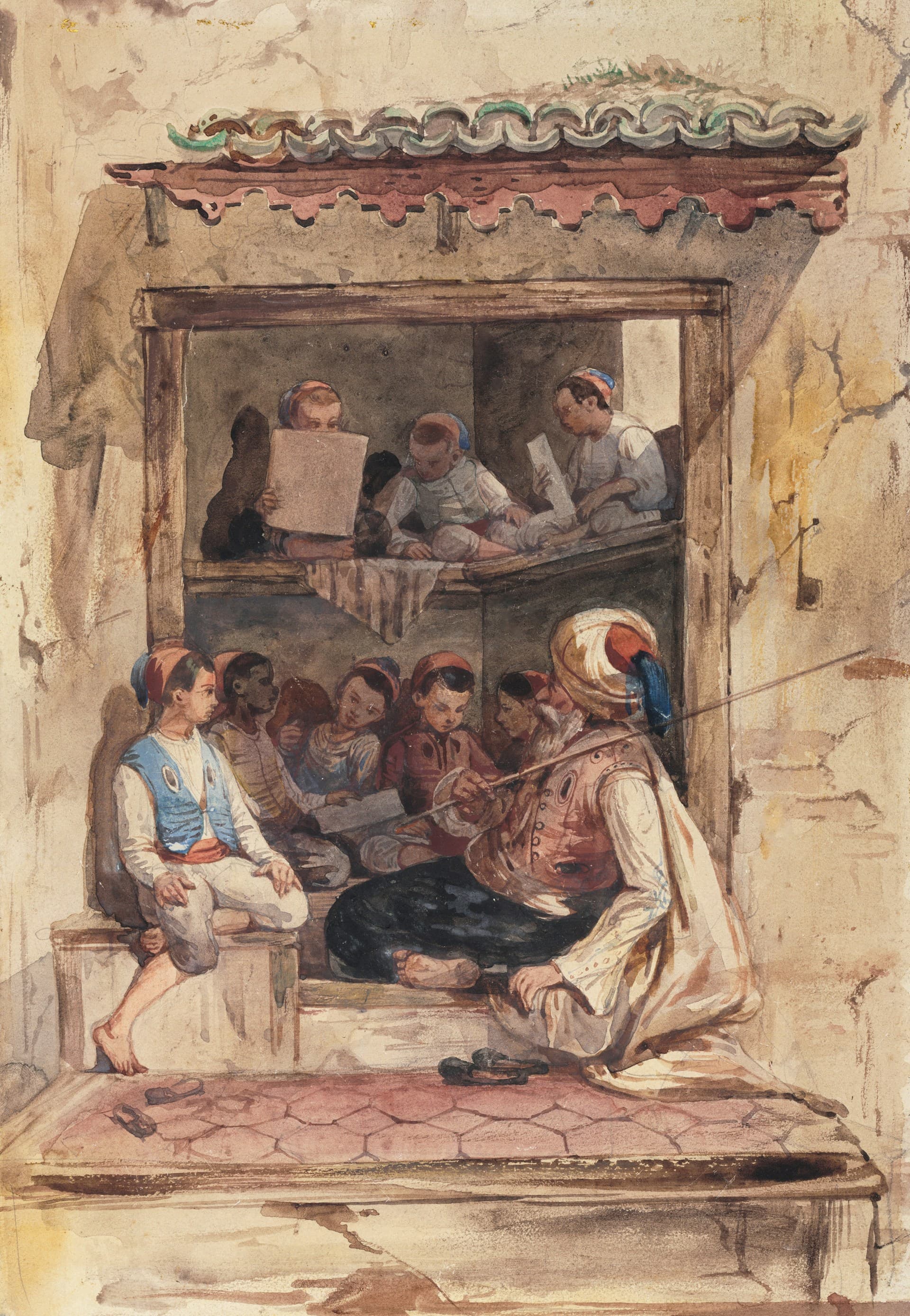
Heritage Alive — Silatu Arrahim in the Alps
Through Silatu Arrahim Journeys, we return not as tourists, but as pilgrims of remembrance — to walk where the Andalusian caravans passed, to look upon the snow-capped peaks that once heard the Adhān, to remember that even the coldest mountains once held the warmth of faith.
Switzerland’s silence is not absence — it is remembrance. It is the echo of La ilaha illa Allah carried upon alpine wind.
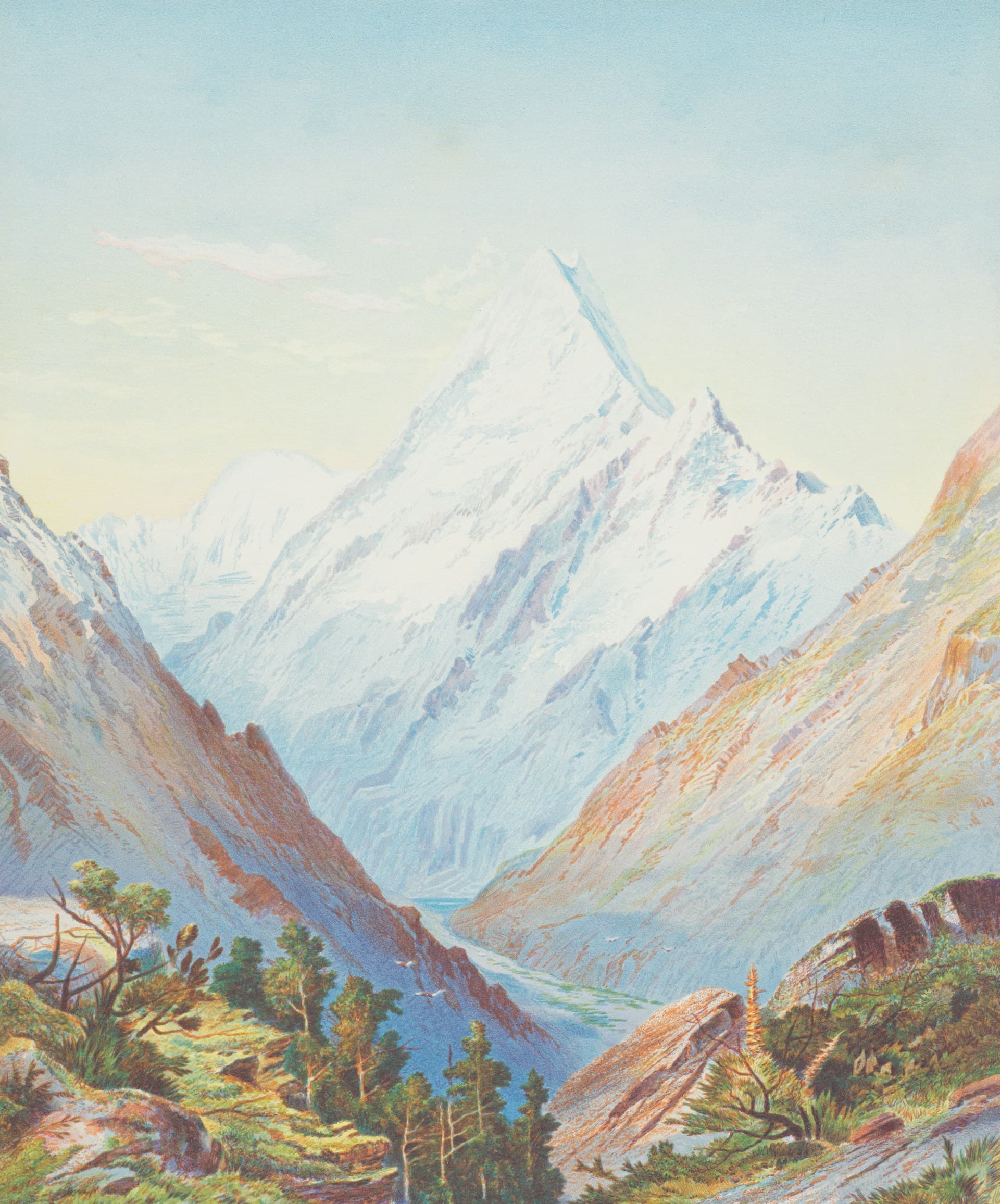
The Crescent over the Eternal Mountains
O Switzerland…
silent guardian of the high peaks, bearer of forgotten verses,
Where the snow holds memory, and the lakes reflect more than stars—
they reflect La ilaha illa Allah whispered in the age of swords, sails, and dawn.
From Córdoba’s throne under Abdurrahman III,
to Lisbon’s shore where Vikings knelt not before idols—
but before the justice of Islam,
before the mercy of the Most Merciful.
They came as thunder from the north,
and returned as seekers of truth—
converted, renewed, reborn—
their hearts softened by Qur’an recited in Andalusian nights,
their spirits ferried north through mountain passes
into the womb of the Alps.
O mountains of Helvetia,
you embraced warriors who became worshippers,
whose beards knew frost,
whose tongues carried dhikr,
whose boots carved paths no empire could erase.
In Valais and Graubünden,
in villages unnamed and valleys unclaimed,
Muslims built no palaces—
yet built what eternity records:
memory, presence, and faith upon the wind.
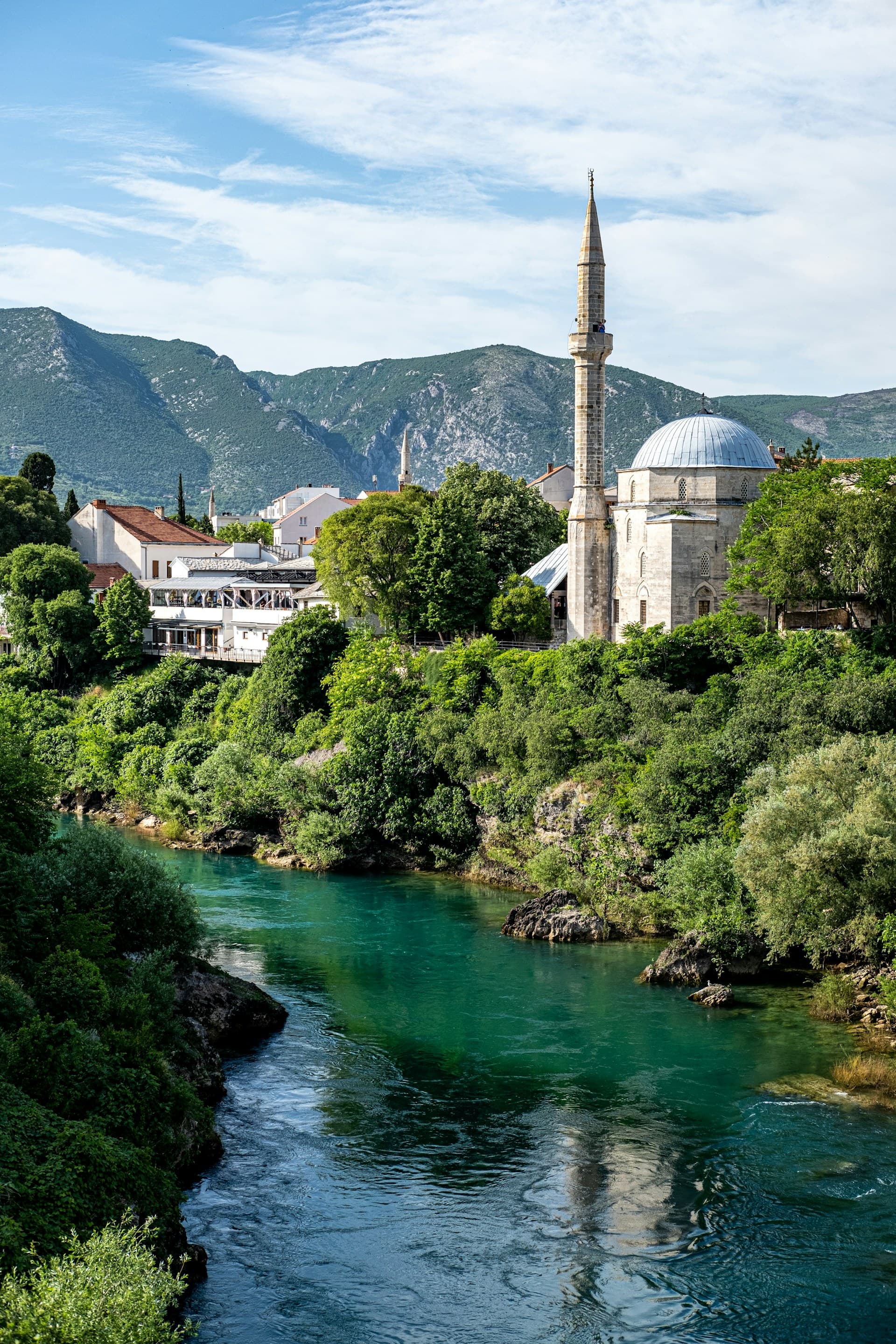
Heritage Alive
The Rhône carried their trade,
the Alps echoed their adhan,
the stars of Swiss heavens witnessed
prostrations older than legend,
older than the borders of nations,
and known only to the angels that record.
Here, Andalus met the North,
not by conquest of land,
but conquest of hearts.
And as Fraxinetum opened the mountain gates,
as caravans climbed beyond olive groves to snow,
Islam reached the silent summit—
not to conquer the Alps,
but to converse with eternity.
Today the peaks stand unchanged,
their white crowns like the turbans of elders,
their lakes like inkwells of destiny,
their echoes carrying the same truth across centuries:
“Every soul that walks in sincerity leaves a light…
even if history forgets the name, the heavens never forget the journey.”
O Switzerland…
you are not a chapter lost,
you are a chapter hushed—
protected by silence, preserved by Divine wisdom.
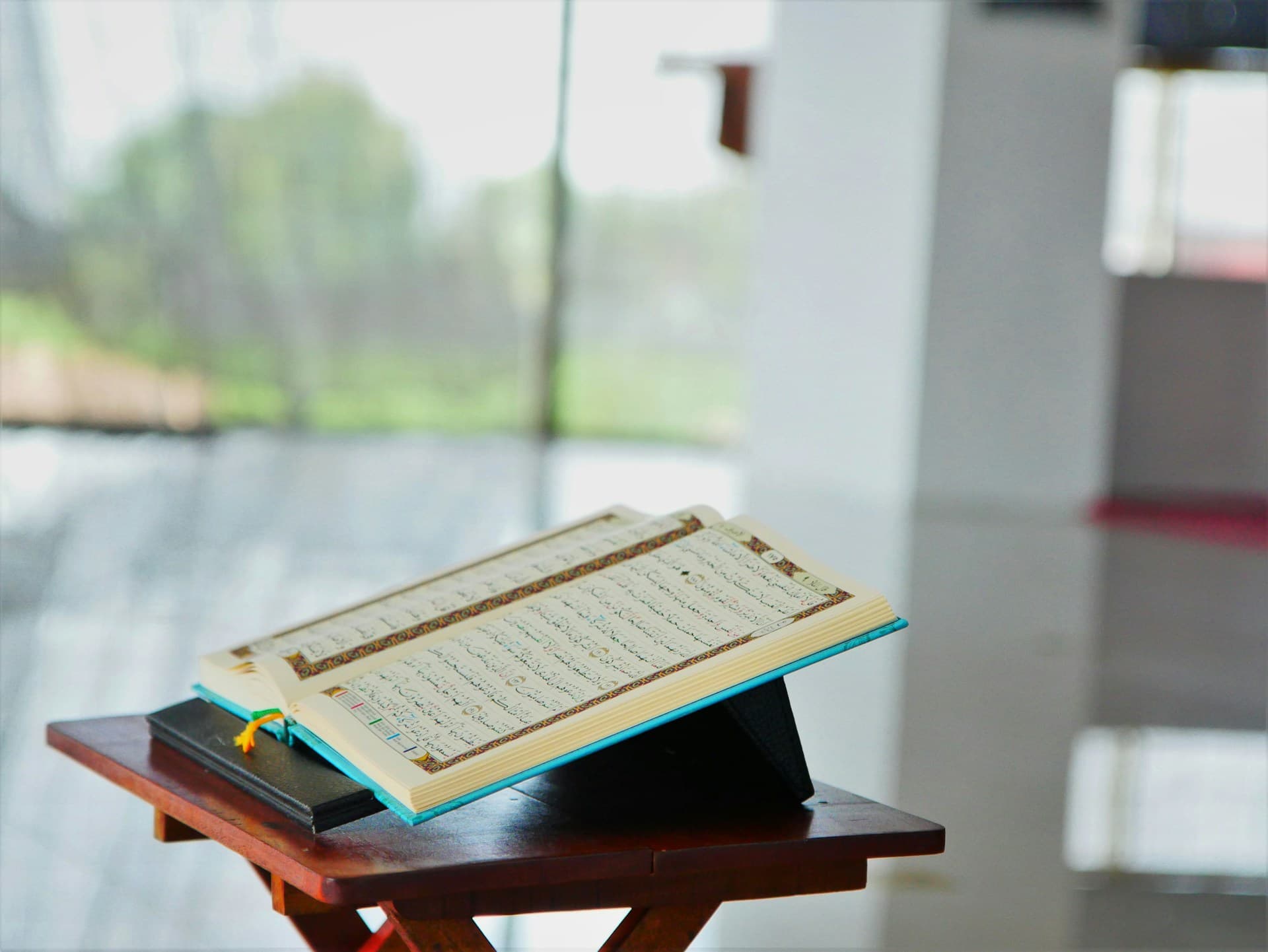
Heritage Alive
From Musa Ibn Nusayr,
to Tariq Ibn Ziyad,
to Viking hearts illuminated in Jerez,
to alpine settlers beneath moonlit stone—
the thread was always One, the path always One, the Lord always One.
The mountains still speak, if the heart listens.
They whisper:
Not all mosques have minarets…some are vaults of stone and sky.Not all adhan is heard…some is only felt.Not all believers are seen…some walk centuries before you come.
And so we end not with a farewell,
but with a return—
O travelers who seek roots deeper than paper,
O wanderers who feel the pulse of unseen history,
here in the Alps lies a secret once carried by Vikings, sealed by Andalus, and witnessed by angels.
A testament that:
Islam reached not only where the sun is warm—
but where hearts were ready.
And perhaps that is the greatest heritage of all.
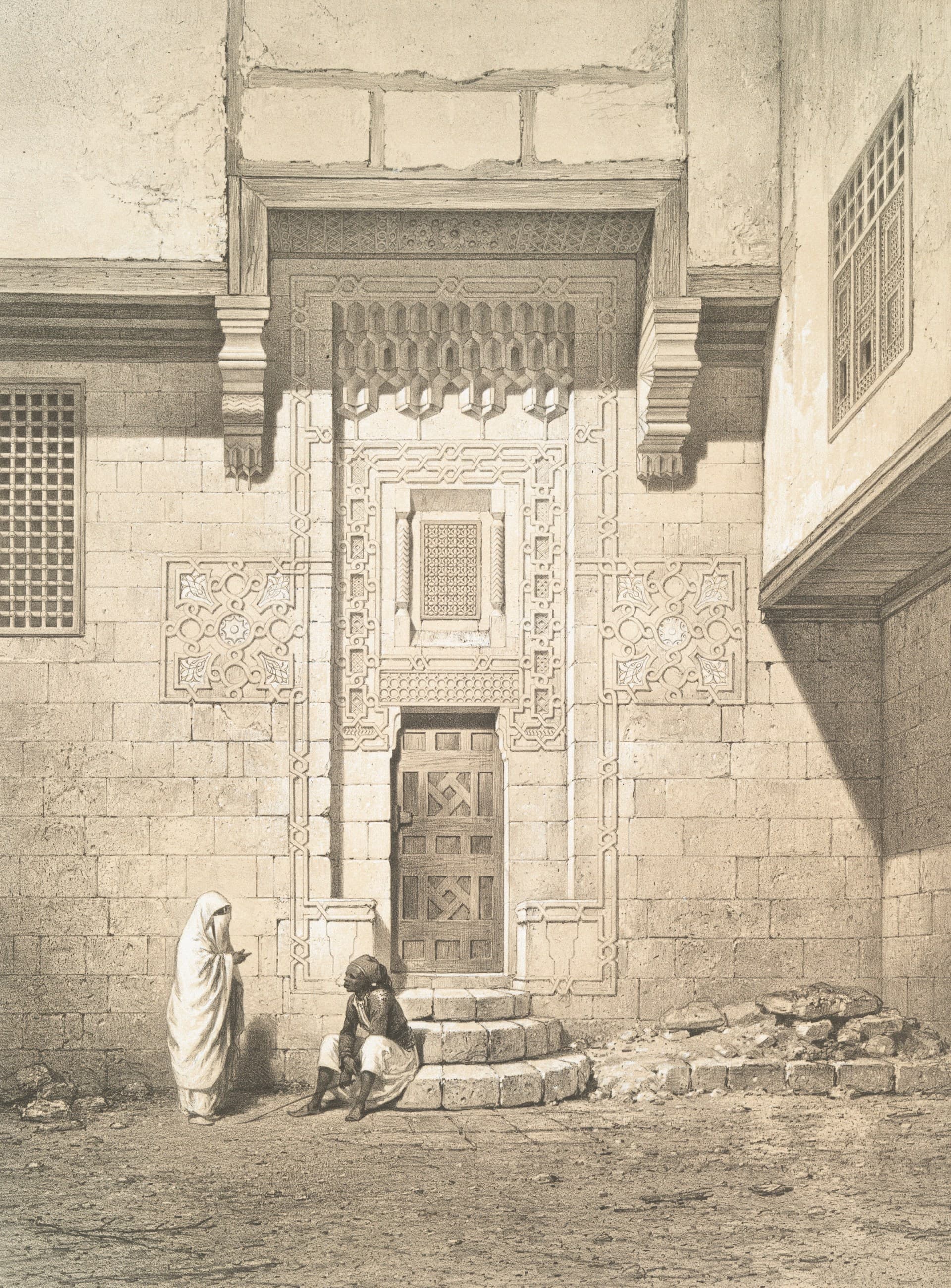
Heritage Alive
✦ “Heritage is not a monument. It is a heartbeat. Not a location. A continuation.” ✦
By the decree of the Most High,
the Alps remember…
and so do we.