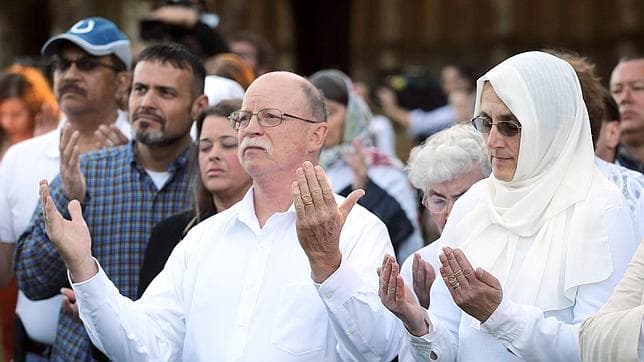
The Islamic Heritage of South America
The Forgotten Crescent of the West
“From Cordoba to the Andes — The Lost Voyage of Faith and the Echo of Andalus”
In the name of Allah, the Most Compassionate, the Most Merciful — We begin the journey across an ocean not of water, but of memory.
A journey from Al-Andalus, the cradle of knowledge, to South America, the garden of destiny.
Here, beneath the Andes and across the vast rivers of the Amazon, the wind still carries the whisper of the Adhan once recited under a sky shared with Cordoba.
For centuries, the story was hidden — erased by Colonial empires, buried beneath colonial myths. But history, like light, cannot be extinguished. It only awaits rediscovery.
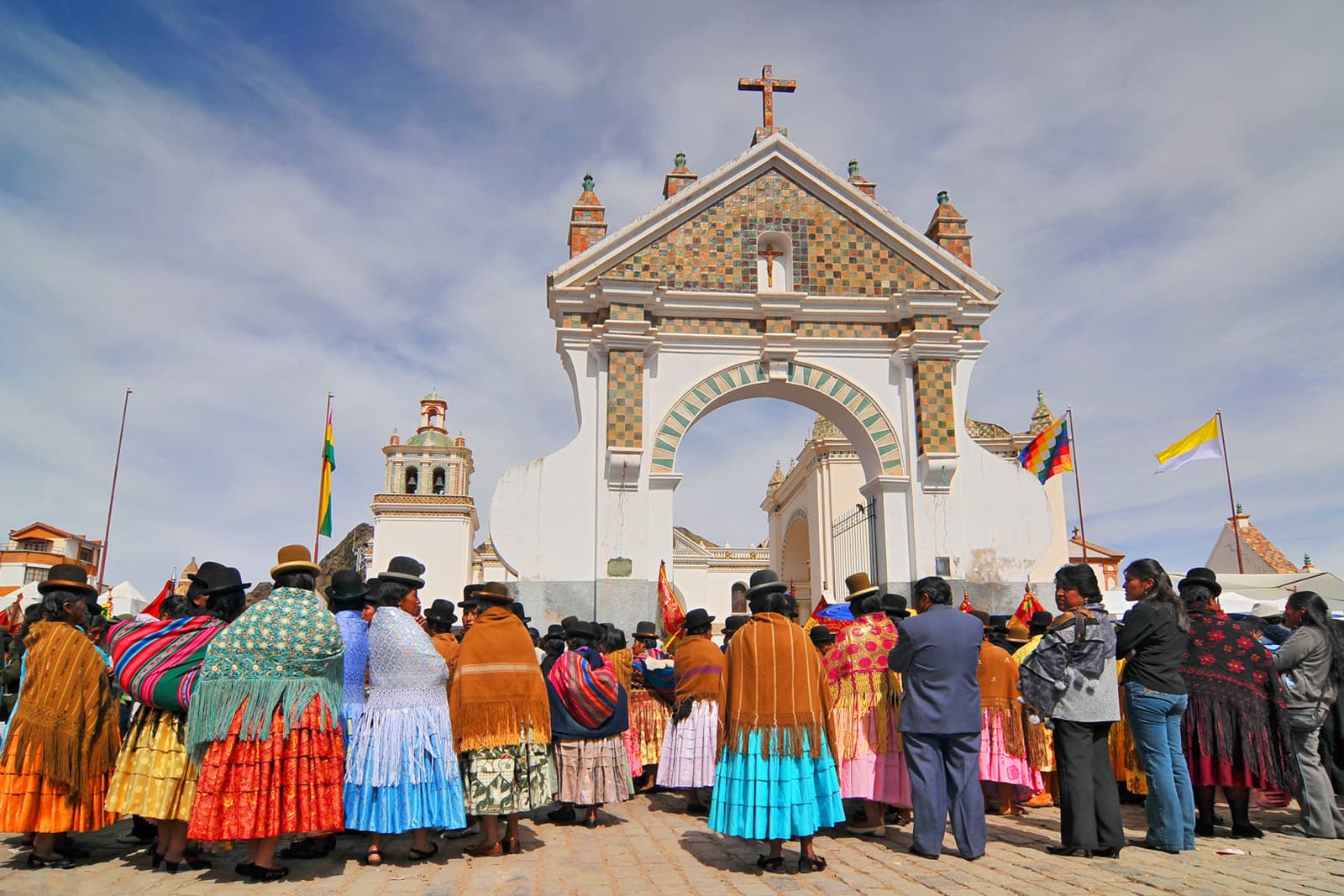
From the Caliphate of Cordoba to the Atlantic Horizon
During the ninth century, under the splendor of The Caliphate of Cordoba, Muslim scholars, sailors, and astronomers reached the height of their scientific and spiritual power.
They mapped the stars, measured the curvature of the Earth, and described oceans beyond the known world.
Among these explorers was Sheikh Al-Sharif Al-Idrisi (May Allah be pleased with him), who wrote in his Nuzhat Al-Mushtaq that Muslim sailors from Al-Andalus and North Africa had crossed the Atlantic centuries before Columbus, discovering distant lands “inhabited and fertile.”
Records from Sheikh Abu Al-Hasan Ali Al-Masudi (May Allah be pleased with him) and Sheikh Ibn Farrukh of Granada (May Allah be pleased with him) describe Andalusian voyages westward around the year 889 CE.
Thus, Islam had already touched the New World before the name “America” was ever spoken.
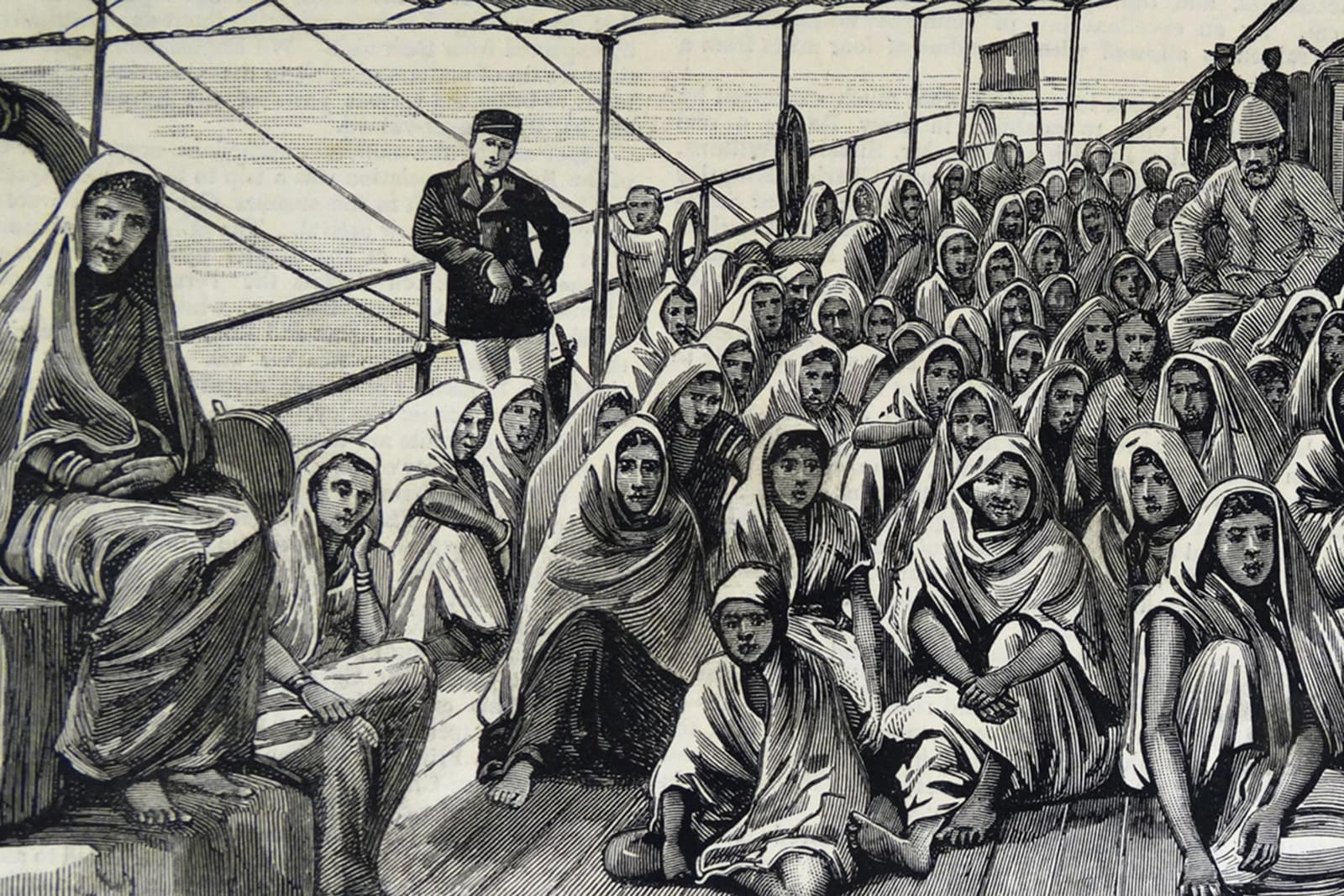
The Hidden Footprints — Andalusian and West African Presence
Archaeological and linguistic traces across the Americas confirm the presence of Muslim navigators long before 1492.
Researchers have identified Arabic inscriptions, coins from the Umayyad Caliphate, and navigational symbols along the coasts of Brazil, Venezuela, and Colombia — relics of Andalusian and West African Muslim travelers who brought with them the spirit of Tawheed.
The native oral histories of the Mandinka and Fulani peoples — descendants of West African Muslims — speak of voyages led by Sheikh Mansa Abu Bakr II (May Allah be pleased with him) of Mali, who set sail in 1311 with hundreds of ships “to find the limits of the ocean.”
They came with Qur’ans, with compasses, and with the invocation —
“Rabbana atina fid-dunya hasanatan wa fil-akhirati hasanatan wa qina ‘adhaban-nar.”
They sought not gold, but the horizon of divine creation.
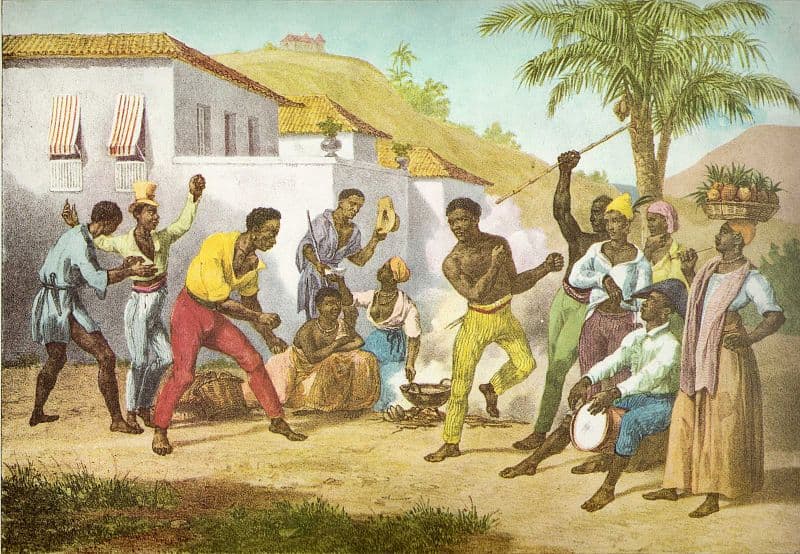
The Cities That Remember — Cordoba, Granada, and Nueva Andalucia
As the centuries unfolded, and the tide of Islam receded from Spain, the memory of Al-Andalus crossed the ocean once more — this time through the very hands of those who sought to erase it.
Spanish explorers, many of them descendants of Moriscos (Muslims forced into conversion), named the new lands after their lost homeland:
Córdoba (Argentina) – named in memory of the radiant Caliphate city that once illuminated the world with its libraries and mosques.
Granada (Nicaragua and Colombia) – echoing the final jewel of Muslim Spain, where the last Adhan of Al-Andalus was heard.
Nueva Andalucía (Venezuela) – “New Andalusia,” a tribute to the paradise of learning and tolerance destroyed in Europe but reborn in name upon the soil of the Americas.
These names were not mere nostalgia — they were a subconscious confession.
You can expel us from land, but you cannot expel us from memory.
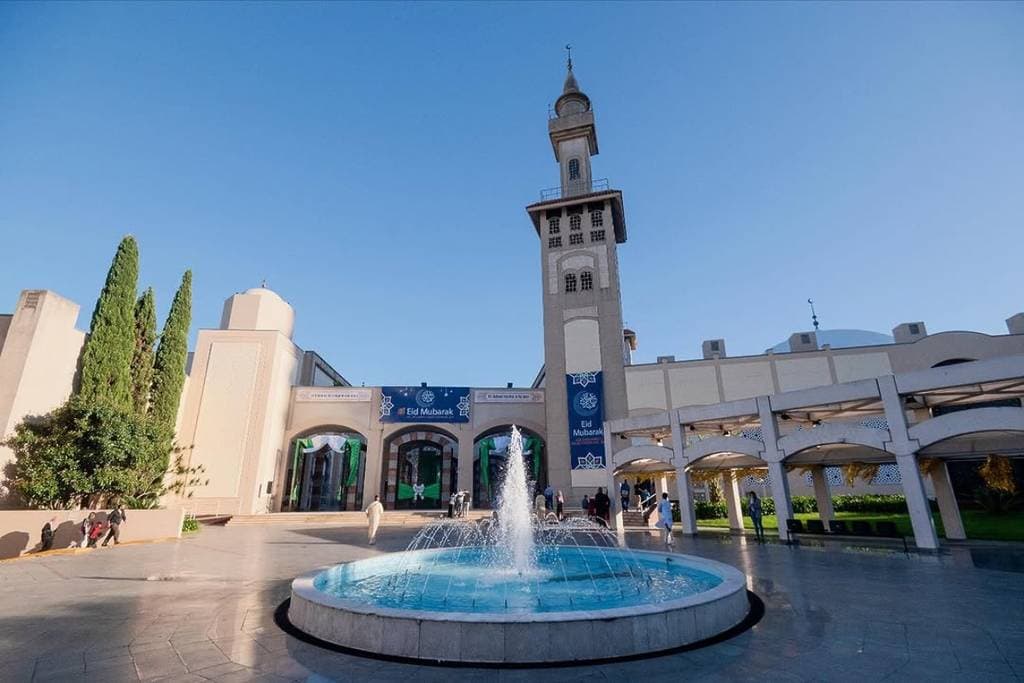
The Andalusian Legacy and the Call of the Atlantic
The Muslim navigators of Al-Andalus were not only explorers of geography — they were explorers of the Divine.
Guided by the Qur’anic verse:
“He it is Who made the earth subservient to you, so traverse its regions and eat of His provision.”
Surah Al-Mulk (67:15)
Their voyages toward the Atlantic were acts of tawakkul — trust in Allah’s creation, guided by faith rather than greed.
Even Columbus carried Arabic-speaking interpreters on his voyages, seeking to communicate with peoples who, as records show, already understood words of Islamic origin.
Thus, South America became the western horizon of the Ummah’s journey — an extension of Al-Andalus’s spirit and the last chapter of its golden age.
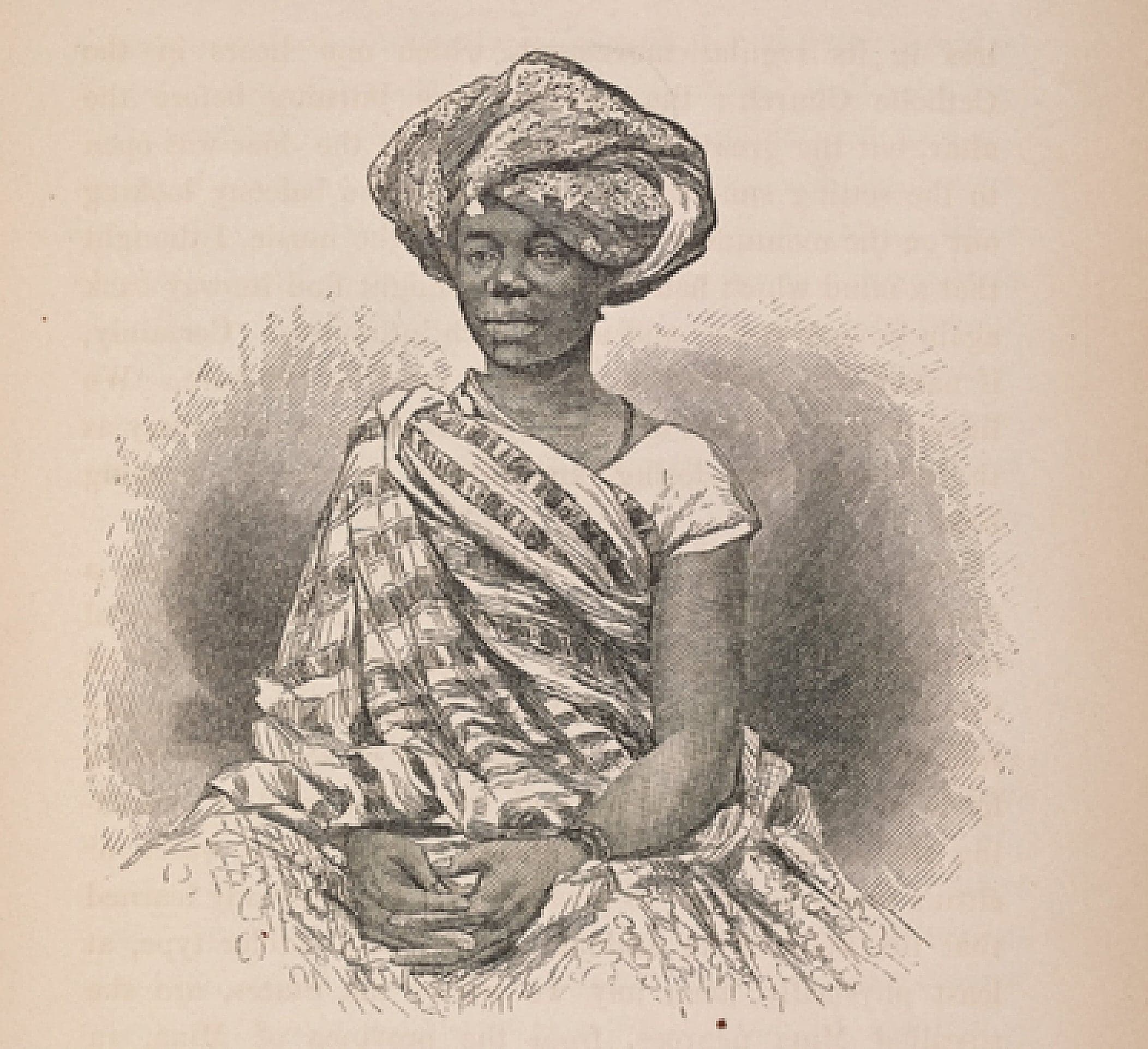
The African Light and the Continuation of Faith
When the Ottoman and Andalusian eras gave way to colonial rule, Islam once again entered South America through the chains of African slaves — yet their faith remained unbroken.
From Senegal, Mali, and Nigeria, Muslims brought by force to Brazil, Suriname, and Venezuela preserved the Qur’an through memorization.
They founded hidden communities, known in Portuguese records as “Os Malês,” where Arabic writing and Islamic prayer persisted for generations.
From these spiritual seeds would later arise the modern mosques and schools of Brazil, Colombia, and Argentina — the fulfillment of a legacy that began in Andalus and crossed the ocean through trials and tears.
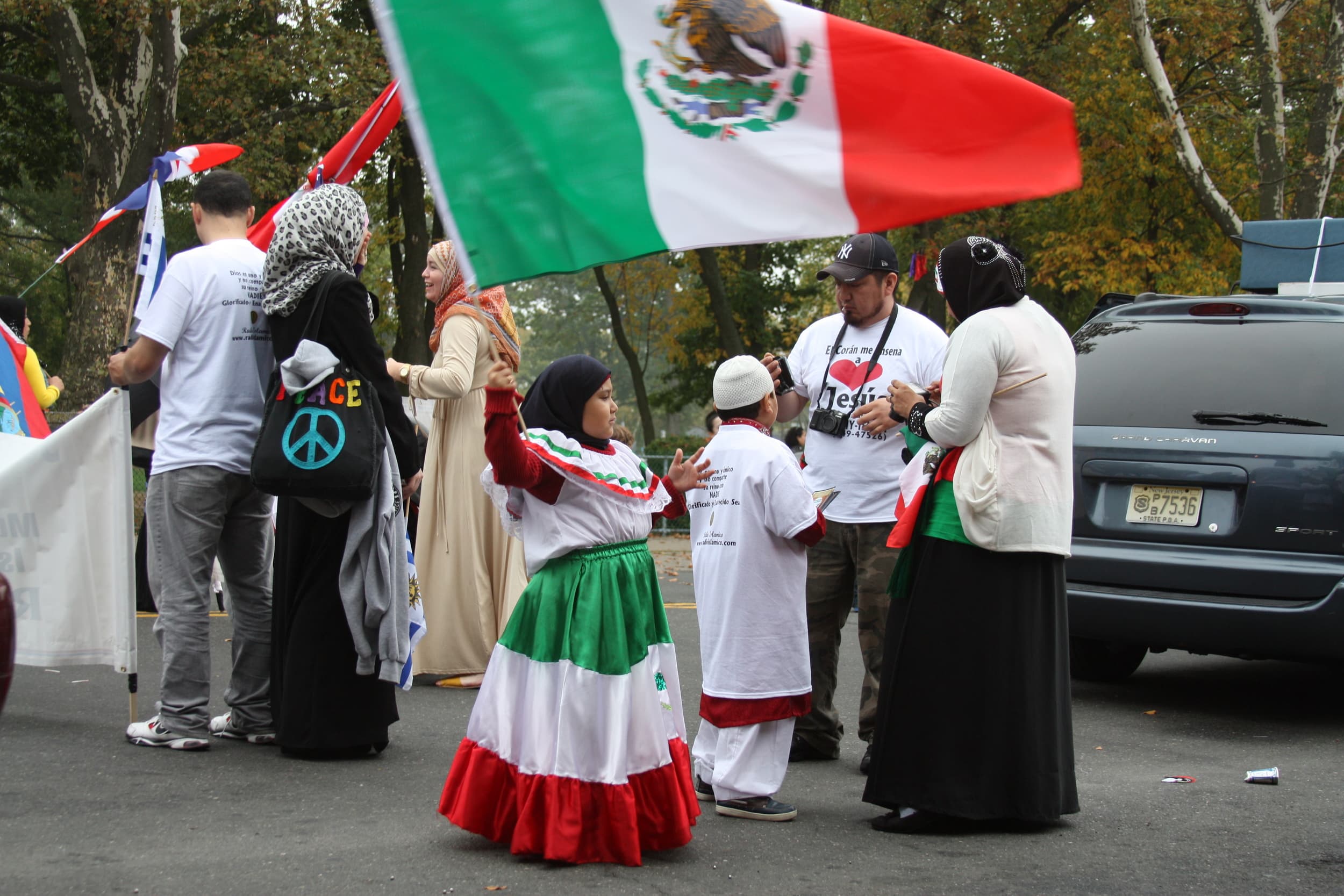
The Modern Revival — The Return of the Crescent
Today, throughout South America, the Crescent has risen once more.
In São Paulo, Buenos Aires, Caracas, and Bogotá, mosques stand proudly — sanctuaries of remembrance in the lands once charted by Andalusian dreamers.
The Muslim communities of Brazil, the Arab descendants of Colombia and Chile, and the African-descended Muslims of Suriname and Guyana form the living tapestry of Islam’s rebirth in the continent.
“Say, ˹O Prophet,˺ ‘Travel throughout the land and see how He originated the creation, then Allah will bring it into being one more time. Surely Allah is Most Capable of everything.’”
Surah Al-‘Ankabut (29:20)
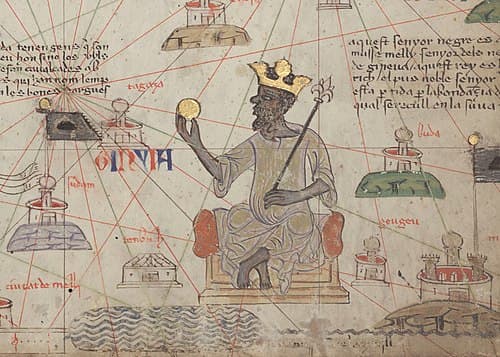
The Scholars and Awliya of the Western Horizon
Among those who carried Islam’s light across oceans:
- Sheikh Al-Sharif Al-Idrisi (May Allah be pleased with him) – Andalusian cartographer who mapped the Americas before their “discovery.”
- Sheikh Ibn Farrukh of Granada (May Allah be pleased with him) – navigator who sailed westward in the ninth century.
- Sheikh Mansa Abu Bakr II (May Allah be pleased with him) – ruler of Mali who crossed the Atlantic with a fleet seeking divine knowledge.
- The Grand Waliyyatu Allah Umm Fatimah Al-Andalusiyyah (May Allah be pleased with her) – female astronomer of Seville whose tables guided sailors to the west.
- Sheikh Bilal Muhammad (May Allah be pleased with him) – African imam of Bahia, whose rebellion preserved the Qur’anic word in Brazil.
Their journeys were not for empire, but for enlightenment — seeking the Divine beyond the horizon.
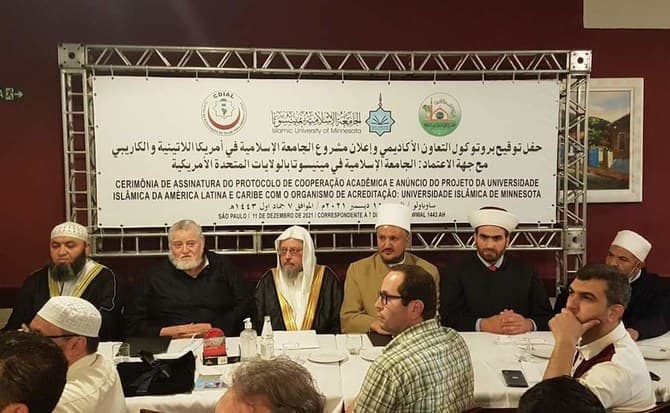
Epilogue of South America — The Crescent Behind the Western Horizon
O continent of rivers, constellations, and hidden seas… Assalamu alayka, O land that remembers what the history books forgot.
You are not distant from the Ummah. You are its western prayer — the horizon where Andalus once gazed, knowing Allah placed signs beyond the sunset.
Before Columbus… came sailors of Bismillah.
From Córdoba to the Atlantic, from Seville to the open sea, Muslim astronomers read stars like verses, and oceans like open Qur’ans.
El-Idrisi charted lands long before the West believed they existed. Ibn Farrukh of Granada sailed with certainty that Allah does not hide creation from those who seek Him.
Then came the ships from Mali — not of chains, but of faith. Mansa Abu Bakr II crossed the ocean not to rule, but to witness.
Andalus did not die… it traveled West.
So the conquerors who tried to erase Islam unknowingly carried its memory in their tongues: Córdoba, Granada, Nueva Andalucía…
Then came another arrival — in chains but unbroken. Captives carried what empires could not shackle: the Qur’an preserved in the chest when paper was forbidden.
Thus South America became the meeting place of exiled moons — Andalusian, African, and Levantine crescents forming one sky again.
"La ilaha illa Allah, Muhammadur Rasulullah"
O South America… you are not the end of the world. You are the evidence that the Ummah has no edges.

Heritage Alive
Heritage is not history that sleeps… it is revelation in motion.
The Past, The Presence, The Future — One ocean, One current, One Divine decree.
And South America is the shore upon which many lost chapters return to land.
“Indeed, the friends of Allah shall have no fear, nor shall they grieve.”
Surah Yunus (10:62)