The Soul of Sicily
The Forgotten Jewel of Islamic Europe
In the middle of the Mediterranean — where the call of the muezzin once mingled with the song of the sea — lies Sicily, known in its golden age as Siqilliyah Al-Islamiyyah. Here, under the banner of Tawheed, the flame of knowledge illuminated both East and West.
For nearly two centuries (827 – 1091 CE), the island became a radiant minaret between Africa and Europe — a mirror reflecting the beauty of the Qur’an, the mercy of the Sunnah, and the brilliance of Islamic civilization.
قُلْ سِيرُوا فِي الْأَرْضِ فَانظُرُوا كَيْفَ بَدَأَ الْخَلْقَ ۚ ثُمَّ اللَّهُ يُنشِئُ النَّشْأَةَ الْآخِرَةَ ۚ إِنَّ اللَّهَ عَلَىٰ كُلِّ شَىْءٍۢ قَدِيرٌ
“Travel throughout the land and see how He originated creation, then Allah will bring it forth once more.” Surah Al-Ankabut 29:20
The Dawn of Islamic Sicily
When the light of Islam reached Sicily in the 9th century, it arrived not as conquest, but as nūr — a light of justice, education, and refinement.
Under Sheikh Asad Ibn Al-Furat (759–828 CE | Born in Kairouan, martyred in Sicily) — scholar, jurist (Last living student of Imam Mālik), and commander — the land blossomed with faith and knowledge.
Mosques, schools, and gardens flourished; poetry and astronomy intertwined with calligraphy and jurisprudence. Palermo, then called Balarm, became the pearl of the Mediterranean — a city where scholars debated by candlelight and merchants spoke in the language of the Qur’an.
- He laid the foundation for Islamic Sicily’s institutions.
- He introduced Mālikī jurisprudence to the island.
- His leadership blended knowledge with chivalry, spirituality with strategy.
Sicily flourished into a civilization where:
- Agriculture was revolutionized (citrus, sugarcane, irrigation canals).
- Medicine, astronomy, and architecture advanced.
- Libraries rivaled Baghdad and Córdoba.
- Pluralism and justice uplifted Jews, Christians, and Muslims alike.
The spirit of Islamic Sicily was not confined to stone and scripture. It became a state of being — where hearts recited the verses of mercy, and hands built with the intention of ihsan. Palermo — then called Balarm — became the pearl of the Mediterranean.
PALERMO — Balarm, The Pearl of the Mediterranean
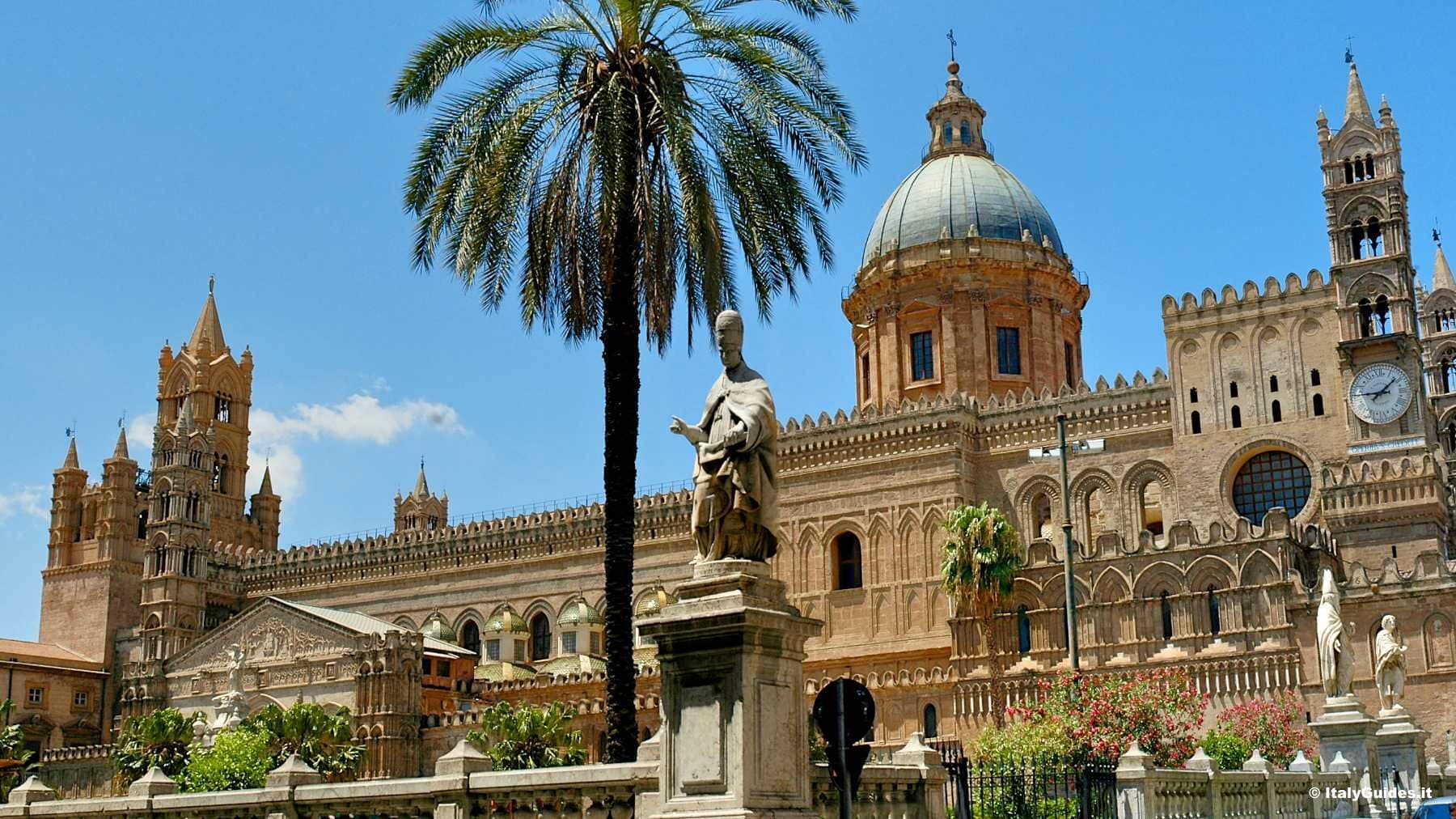
Called Balarm in the Muslim golden age, Palermo became one of the most dazzling capitals of Islamic civilization. Under Aghlabid and later Kalbid rule, it rose to rival Córdoba and Cairo in brilliance. Its population surpassed 300,000 — the largest in Italy at the time — with 300 mosques, flourishing markets, hospitals, observatories, libraries, and caravanserai.
Palermo refined irrigation, introduced citrus and sugar cultivation, advanced medicine, astronomy, mathematics, and urban governance. Its bridges, qanat water systems, and lush gardens became models admired by European courts.
Palermo – The Capital of Islamic MajestyPalermo was transformed into:
- A capital of learning
- A hub of global commerce
- A city of 300 mosques
- A cosmopolitan sanctuary for scholars
Here once stood:
- The Great Mosque of Palermo
- Scientific academies
- Gardens irrigated by qanat systems
- Courts where Arabic poetry ruled hearts
Here scholars debated, sailors mapped stars, and poets wrote verses of Divine love.
Qur’anic reflection :وَجَعَلْنَا مِنَ الْمَاءِ كُلَّ شَيْءٍ حَيٍّ
“And We made from water every living thing - Surah Al-Anbiyā 21:30
Sufi reflection:“A city is not honored by its walls, but by the remembrance inside its people.”
Balarm was not merely a capital — it was a spiritual crossing point between Africa and Europe, a pulsing heart of knowledge, mercy, and oceanic trade.
MONREALE — The Mountain of the King, Echoing Arabic Geometry
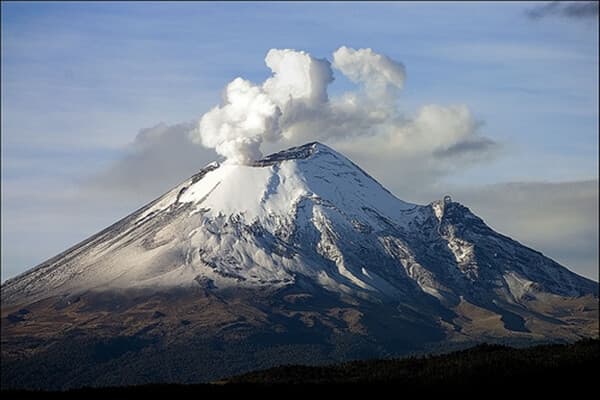
Monreale carries coastal fortifications that were once watchtowers of Muslim naval mastery, when Sicily commanded the Mediterranean seas.
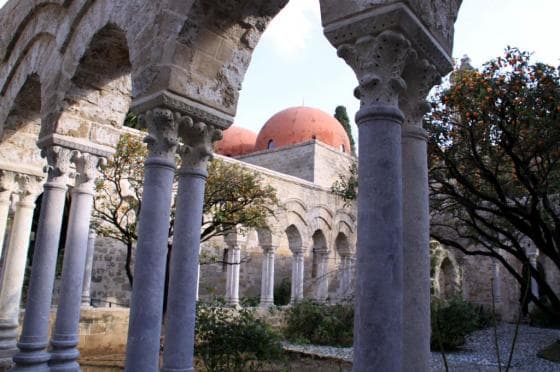
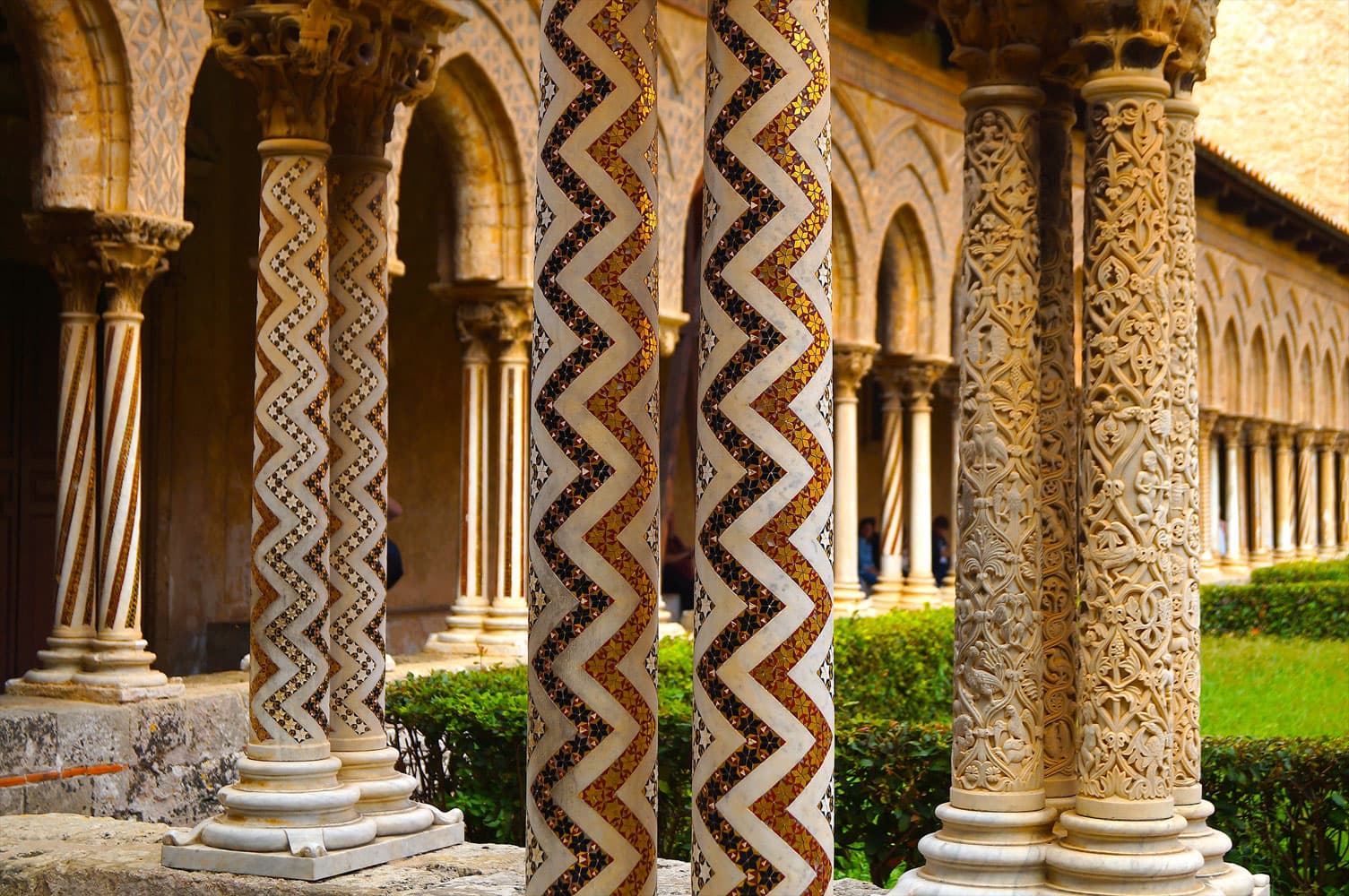
Originally an elevated Muslim settlement outside Balarm, Monreale carries Andalusi geometric patterns, water engineering, and architectural harmony rooted in Islamic principles. Even the later cathedral mosaics echo the spatial discipline and arabesque soul of Islamic design — where symmetry reflects tawḥīd (Divine Unity).
Under Muslim rule, this hill region supplied Palermo’s agriculture and functioned as an elite ecological retreat, rich in orchards and spring systems engineered by Muslim geographers and agronomists.
Though Monreale’s cathedral came after Islam, its architecture inherited:
- Arab geometry
- Muqarnas vaulting
- Islamic artisanship
صُنْعَ اللَّهِ الَّذِي أَتْقَنَ كُلَّ شَيْءٍ
“ The work of Allah, who perfected all things - Surah An-Naml 27:88
Sufi whispers:“ Beauty is a proof of the Beloved, geometry a path to Him.”
Monreale remained a silent keeper of Muslim harmony, preserved not in creed, but in design — balanced, sacred, and timeless.
CEFALU — The Coastal Minaret of Prayer and Craft
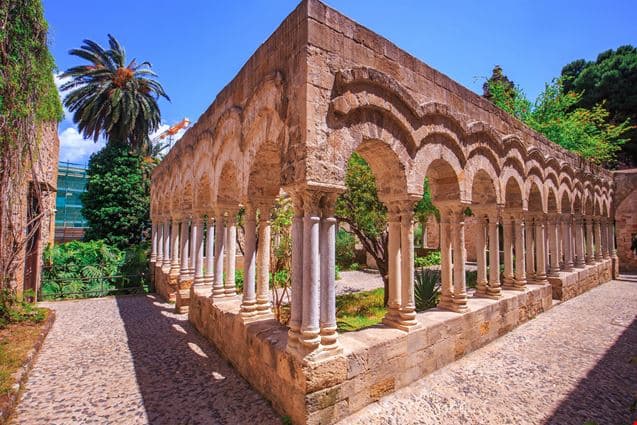
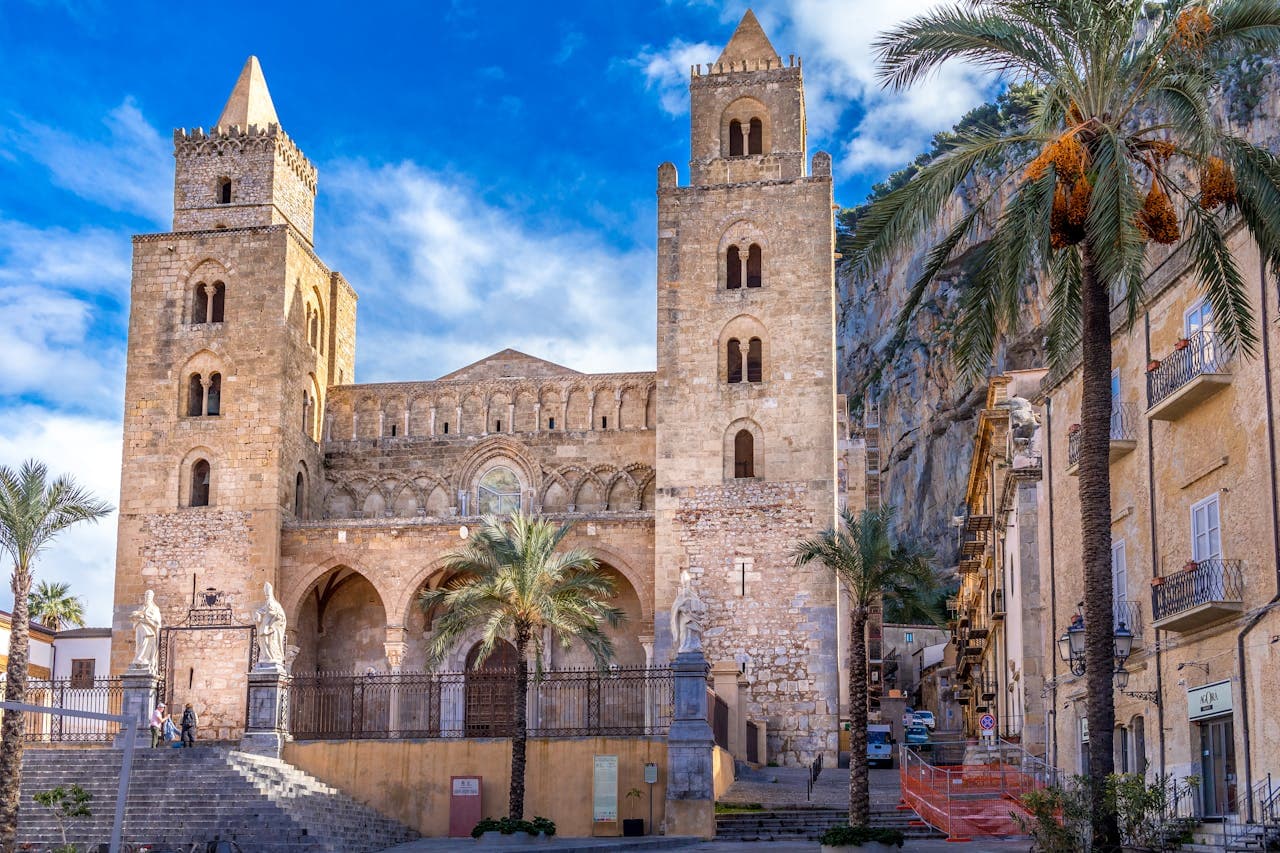
Cefalù’s white houses and shining sea have long welcomed sailors and scholars alike. In the Muslim centuries it was a lively coastal port and watchpoint guarding the Tyrrhenian approaches—part of the maritime network that connected Mazara, Palermo, and the Maghrib. Its harbours carried merchants who traded not only goods but also books, medical remedies, and astrolabes.
Architectural traces in Cefalù — fortifications, cisterns, and some urban patterns — still echo Islamic town planning: narrow lanes that create shade, houses oriented to cool the interior, and water systems that testify to an advanced civic life. The site’s later Norman cathedral contains stylistic echoes of Arab-Norman synthesis—an enduring sign that the island’s faiths and crafts braided together.
Cefalù’s spiritual life: its coastal retreats and hilltop hermitages attracted Sufi travelers who used the coast for quiet khalwa (retreat). Here, the sea’s rhythm became a dhikr: the sound of tide and prayer braided into a single litany.
Qur’anic reminder :وَهُوَ الَّذِي سَخَّرَ الْبَحْرَ لِتَأْكُلُوا مِنْهُ لَحْمًا طَرِيًّا
“And it is He who subjected the sea, that you may eat from it tender meat - Surah An-Nahl 16:14
A sign that the sea is provision and a place of connection.Sufi saying :“ The sea teaches the patient heart the form of surrender.”
Cefalù stands as a coastal minaret where merchants once bargained in Arabic and Greek, where sailors learned celestial navigation, and where artisans kept alive techniques of tile, metalwork, and embroidery that later surfaced in Palermo’s palaces. For the traveler, Cefalù offers the anthological experience of seaside prayer, craft-market whisperings, and a living link between Sicily’s maritime memory and Islamic civilization.lo
ENRICH — (Historic District of Influence around Palermo’s Hinterlands)
The fertile hinterland referred to historically as Enrich regions, once served as agricultural strongholds sustaining Balarm. Muslim farmers introduced advanced systems of terracing, soil reclamation, citrus cultivation, olive engineering, apiculture, and seasonal crop rotation.
These lands produced scholars of agronomy and medicine whose manuals later informed European botanical science.
Qur’anic reflection :فَأَنْبَتْنَا فِيهَا مِن كُلِّ زَوْجٍ بَهِيجٍ
“And We cause to grow therein every noble kind - Surah Qāf 50:7
Sufi wisdom :“ The earth is a prayer mat when worked with pure intention.”
The countryside was a green manuscript — written in seeds, water, and patience.
MAZARA DEL VALLO — The Qibla of Sicilian Knowledge
One of the earliest Muslim-ruled cities in Sicily, Mazara del Vallo became a major intellectual and judicial hub. It produced jurists, navigators, and maritime scholars. Muslim fleets launched from its ports; scholars taught Malikī fiqh, astronomy, and seafaring sciences.
It was also a landing point for Andalusian refugees who arrived after Córdoba and later Granada fell — carrying manuscripts, medical knowledge, and spiritual chains (silsila) of Sufism.
Mazara del Vallo – Gateway of Scholars and SailorsThe first Muslim landing began here in 827 CE.
Mazara became:
- A home of jurists
- A multilingual port
- A bridge between Kairouan, Palermo, and Andalusia
وَعَلَّمَهُ مَا لَمْ يَكُن يَعْلَمُ
“And taught him what he never knew - Surah An-Nisā 4:113
Sufi saying:“ The ocean is a scholar; it teaches without words.”
Mazara remains one of the most visibly Islamic-heritaged coastal cities in Sicily today, still infused with North African soul.
CALASCIBETTA — The Mountain Citadel of Knowledge
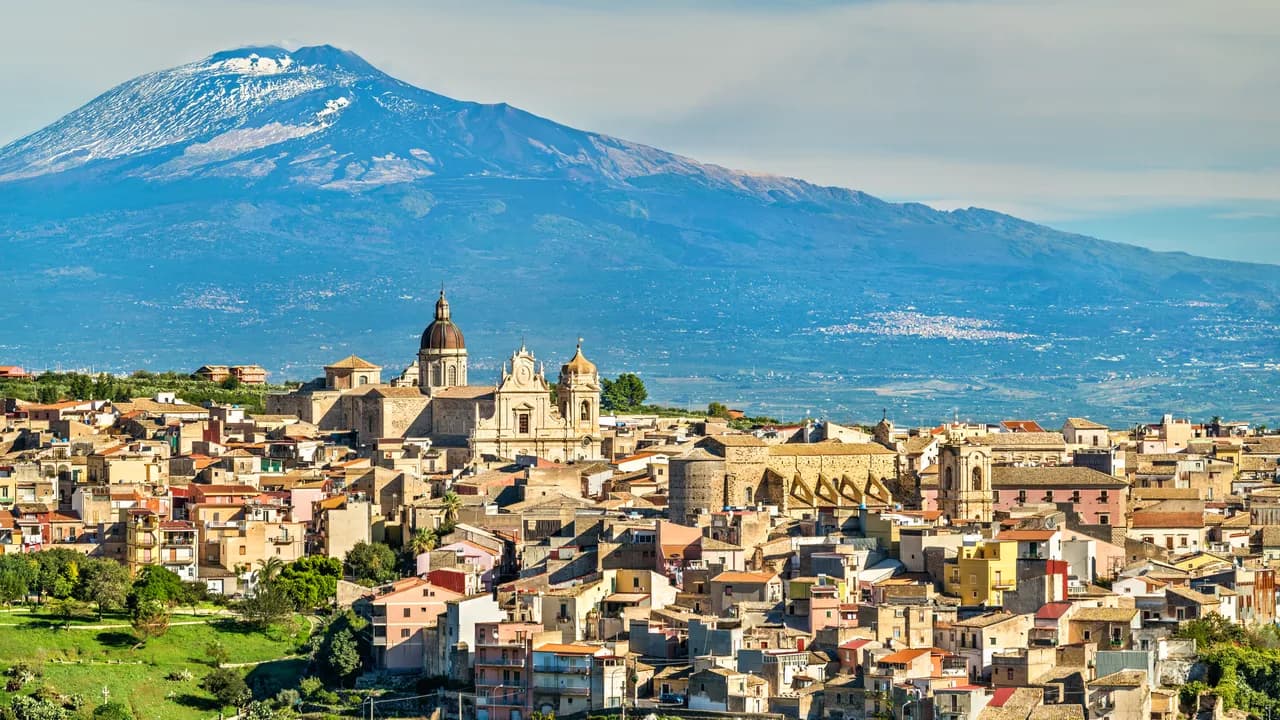
Established atop a strategic mountain stronghold, Qalʿat Shibitta (Calascibetta) was a fortified Muslim citadel and knowledge post protecting inland Sicily. Its role combined defense, spirituality, and astronomy — high elevations were used for celestial observation and prayer time calculation.
Local scholars preserved Qur’anic teaching, mountain agriculture, and watch networks that safeguarded Muslim settlements in Enna, Catania, and the surrounding valleys.
Caltabellotta — The Final Treaty of Muslim SicilyIn 1302 CE, the last accord protecting Muslim communities was signed here in the mountain caves.
Though political Islam ended, spiritual Islam remained — carried silently in:
- Local dialects
- Traditional remedies
- Irrigation methods
- Family lineages
- Sufi memory
وَهُوَ الَّذِي جَعَلَ لَكُمُ النُّجُومَ لِتَهْتَدُوا بِهَا
“And it is He who made for you the stars, that you may be guided by them…” - Surah Al-An‘ām 6:97
Sufi saying:“ The higher the mountain, the closer the heart must bow.”
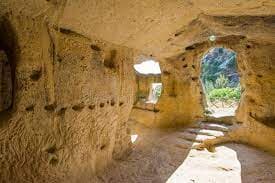
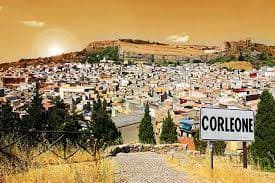
CORLEONE — The City of Honor and Resistance
Amidst Sicily’s mountains, the town of Corleone carries a story few recall — one of dignity, not crime.
It was once a centre of resistance where Muslims and native Sicilians united to defend their lands from the Crusader invasion.
Their cause was justice, not rebellion — to protect their families, their honour, and their faith.
Corleone – The Definition of HonorCorleone was a Muslim mountain refuge town aligned with resistance.
Its legacy originally symbolized:
- Protection (Maḥfūẓ / Maḥfiyah — protection, sanctuary)
- Honor (Sharaf)
- Brotherhood
- Upright resistance to tyranny
Only history distorted its name — but not its origin.
From this noble struggle emerged an enduring culture of sharaf — honour, courage, and brotherhood. Even the term “Mafia,” now corrupted by time, may echo the Arabic Maḥyafah or Maḥfiyah, meaning protection, refuge, and pride.
Its origin was not darkness, but defiance against tyranny — an echo of faith standing tall before oppression.
Before its modern misassociation, Qurlayūn (Corleone) was a Muslim stronghold of resilience and dignity. It became a center of resistance against the later Crusader attacks on Sicily, representing protection of families, land, and faith.
Its people were known for sharaf (honour), hospitality, and tribal unity — the original spirit later distorted by history.
Qur’anic reflection :وَالْعَاقِبَةُ لِلْمُتَّقِينَ
“…And the final outcome is for the righteous.” Surah Al-A‘rāf 7:128
Sufi saying:“True courage is not conquest — it is refusing to bow to injustice.”
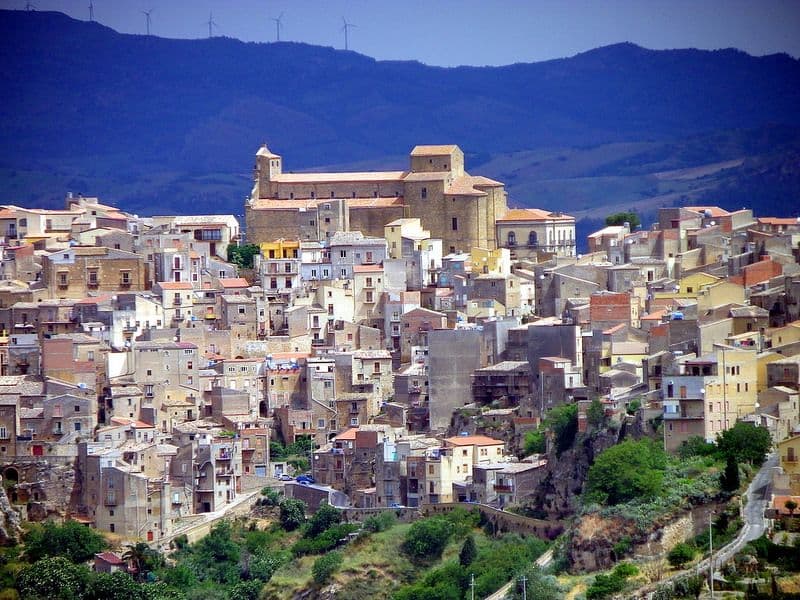
ENNA — The Sacred Navel of Sicily
Enna, at the very heart of the island, was known as the Navel of Sicily. Muslims fortified it as a spiritual interior anchor — a place of scholarship, agriculture, and devotion. Because of its elevation, it became a center for timekeeping, star observation, and seasonal planning.
The Mountain Fortresses of FaithEnna (Qasr Yannah) was one of the last Muslim strongholds to fall, protected by:
- Tower citadels
- Mountain sanctuary networks
- Local alliances of Muslims and loyal Sicilians
Here the community lived resilient worship — even when banished from open rule.
Qur’anic reflection :وَفِي الْأَرْضِ آيَاتٌ لِّلْمُوقِنِينَ
“And on earth are signs for those of certainty.” Surah Adh-Dhāriyāt 51:20
Sufi saying:“ Whoever knows the center, knows the circle.”
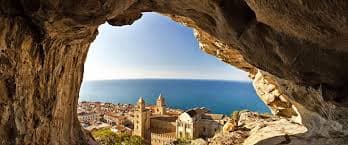
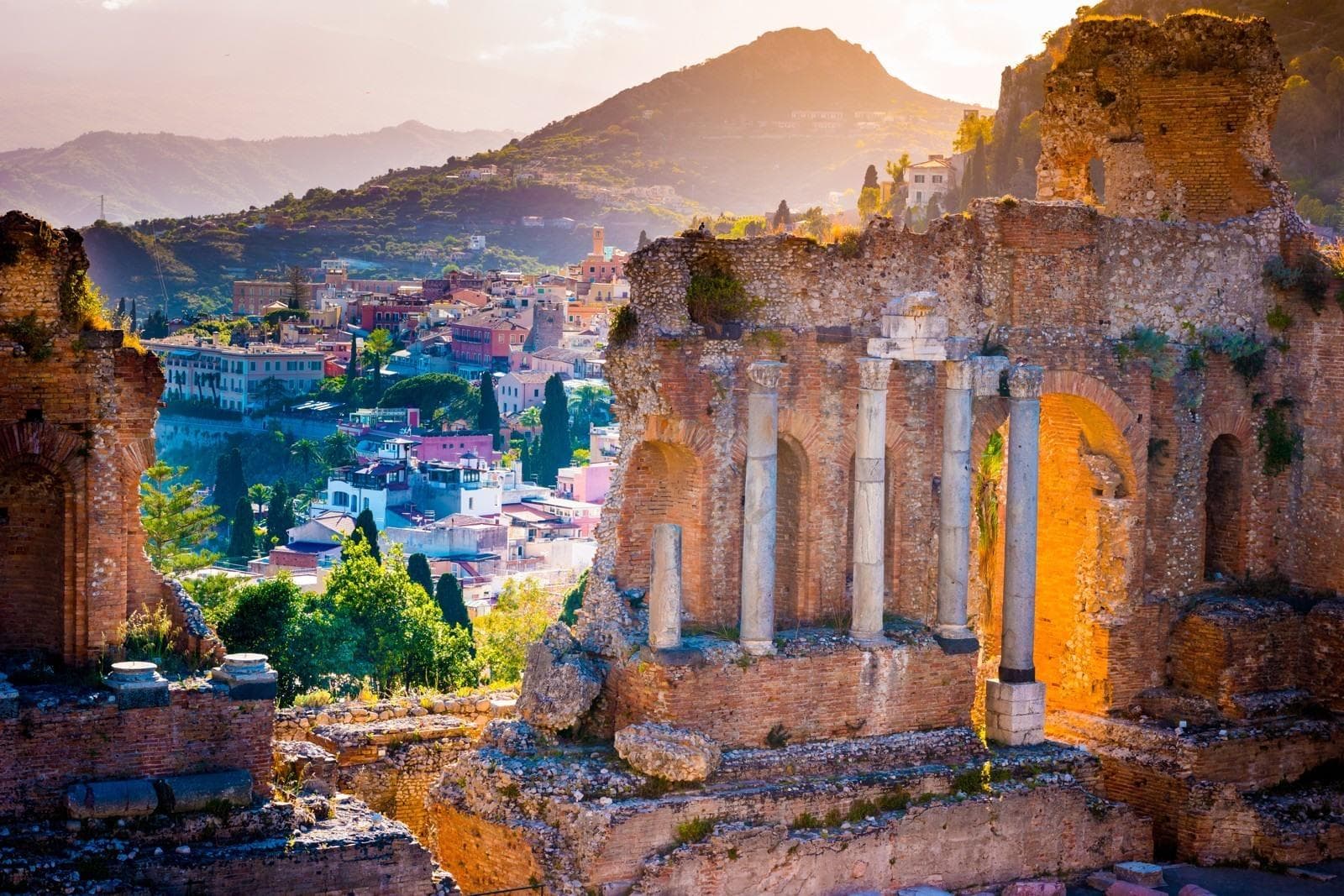
TAORMINA — The Terrace Between Heaven and Sea
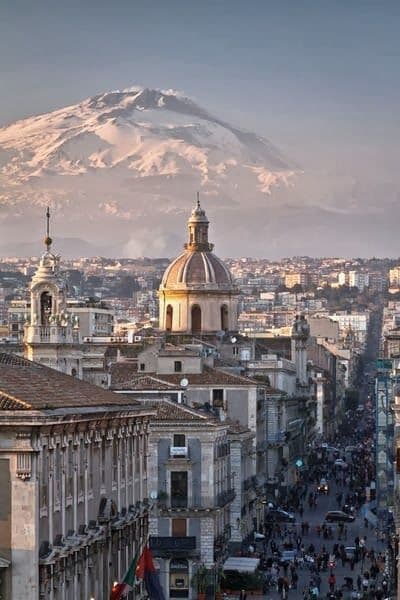
Taormina, called Muʿtamid’s Balcony in poetic legacy, was loved by Muslim poets and emirate nobles for its sublime elevation between Mount Etna and the Ionian Sea.
Its scenic geography inspired odes, astronomical study, and spiritual contemplation. Sufi travelers used its heights for retreat and its skies for star navigation teachings.
Taormina – The Sacred CityThe slopes of Mount Etna hosted Muslim:
- Herbal medicine experts
- Astrologers studying volcanic cycles
- Sufi contemplatives in retreat
Taormina became a learning center in:
- Optics
- Navigation
- Philosophy
- Sacred geography
سَنُرِيهِمْ آيَاتِنَا فِي الْآفَاقِ وَفِي أَنفُسِهِم
“ We will show them Our signs in the horizons and within themselves - Surah Fuṣṣilat 41:53
Sufi saying:“ He who gazes at horizons soon meets what lives within.”
CATANIA — The Forge of Fire and Science
Dominated by Mount Etna (Jabal Al-Nār), Catania became an Islamic center for geology, mineral medicine, natural science, and engineering. Muslim scholars studied volcanic behavior, extracted minerals for healing compounds, designed earthquake-resilient building methods, and advanced metallurgy.
Etna, Taormina & Catania – The Sacred Triangle of SicilyThe slopes of Mount Etna hosted Muslim:
- Herbal medicine experts
- Astrologers studying volcanic cycles
- Sufi contemplatives in retreat
Taormina and Catania became learning centers in:
- Optics
- Navigation
- Philosophy
- Sacred geography
خَلَقَ الْإِنسَانَ مِن صَلْصَالٍ كَالْفَخَّارِ
“ He created man from clay like pottery.” - Surah Ar-Raḥmān 55:14
Sufi saying:“ Fire does not destroy the real; it unveils it.”
Catania reminds the seeker that Allah places signs even in fire — to instruct, purify, and awaken.
Segesta — The Silent Temple on the Hill, Witness to Ages
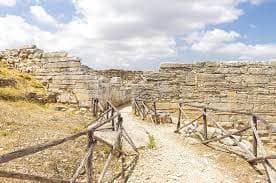
Perched above olive groves and wind-swept fields, Segesta keeps the hush of centuries in its stones. Famous for its Doric temple and ancient amphitheatre—works of the Elymians—the site also belongs to the longer story of Sicily: a crossroads where civilizations met, laboured, and remembered.
Though Segesta’s greatest monuments were built before Islam’s arrival to the island, the landscape entered the Islamic horizon as the island changed hands and cultures crossed. Muslim caravans and coastal captains passed its valleys; local Muslim communities worked the surrounding fields, tended orchards and applied irrigation techniques — the same know-how that later shaped Palermo’s gardens and the farms of Mazara and Mértola.
Segesta’s theatre, carved into the slope and facing the sea, became a quiet witness to a new chorus when Muslim poets and Andalusi exiles walked its footpaths: they found in the old stones a cadence for new verses, a geometry that spoke of tawḥīd and of beauty as an act of worship. The temple’s straight columns and the amphitheatre’s arcs echoed the Andalusian sense that art and faith are siblings.
Qur’anic reminder :الَّذِينَ آمَنُوا وَتَطْمَئِنُّ قُلُوبُهُم بِذِكْرِ اللَّهِ ۗ أَلَا بِذِكْرِ اللَّهِ تَطْمَئِنُّ الْقُلُوبُ
“ Those who believe and whose hearts find rest in the remembrance of Allah — truly, in the remembrance of Allah do hearts find rest.” - cSurah Ar-Ra‘d 13:28
Sufi whispers:“A stone that remembers Allah becomes a book a heart can read.” (Andalusian Sufi proverb)
Segesta invites the pilgrim to listen: to hear how pre-Islamic art received an Islamic breath and how the island’s eternal theatre still teaches the soul to witness beauty without claiming it. It is a place for quiet dhikr, for walking the ancient steps and feeling the continuity between elders who built the temple and the saints who later read Qur’an beneath that same sky.
The Sicilian Scholars Who Shaped the World
From Sicily emerged great minds who carried the torch of knowledge far beyond its shores.
Among them were:
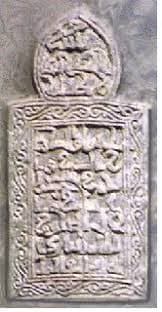
- Sheikh Ibn Hamdis (May Allah be pleased with him) — the Sicilian poet whose verses wept for Al-Andalus and celebrated Divine remembrance.
- Abu Al-Qasim Al-Siqilli — a scholar of medicine and mathematics who contributed to the healing sciences of the Ummah.
- Abu Al-Hasan Ali Al-Siqilli — a philosopher and jurist whose works echoed through the academies of Qayrawan and Cairo.
- Ibn Al-Jazzar Al-Siqilli — whose studies in astronomy and geometry later informed European science.
But perhaps the most profound legacy was carried not by one man, but by a migration of light.
The Living HeritageTo walk in Sicily today — through the gardens of Palermo, the alleys of Corleone, or the domes of Monreale — is to walk through verses of forgotten revelation. Each arch still hums the Name of Allah; each mosaic still holds the memory of La ilaha illa Allah. The light is veiled, not vanished — awaiting the hearts that remember.
“Say, ˹O Prophet,˺ ‘Travel throughout the land and see how He originated the creation, then Allah will bring it into being one more time. Surely Allah is Most Capable of everything.’” Surah Al-‘Ankabut (29:20)
The Awakening – Journey of Remembrance
Through Silatu Arrahim Journeys, we invite the Ummah to walk this road again — from the shores of Palermo to the peaks of Corleone, from Cairo to Caltabellotta — to rediscover how Sicily once carried the Qur’an in its architecture and mercy in its governance.
This is not tourism; it is testimony. It is the revival of an unbroken chain — from the Sahaba to the scholars, from Medina to Palermo, from Sicily to Al-Azhar. For the light that was once kindled here still burns — in the hearts of those who remember.
“Indeed, the friends of Allah shall have no fear, nor shall they grieve.” Surah Yunus (10:62)
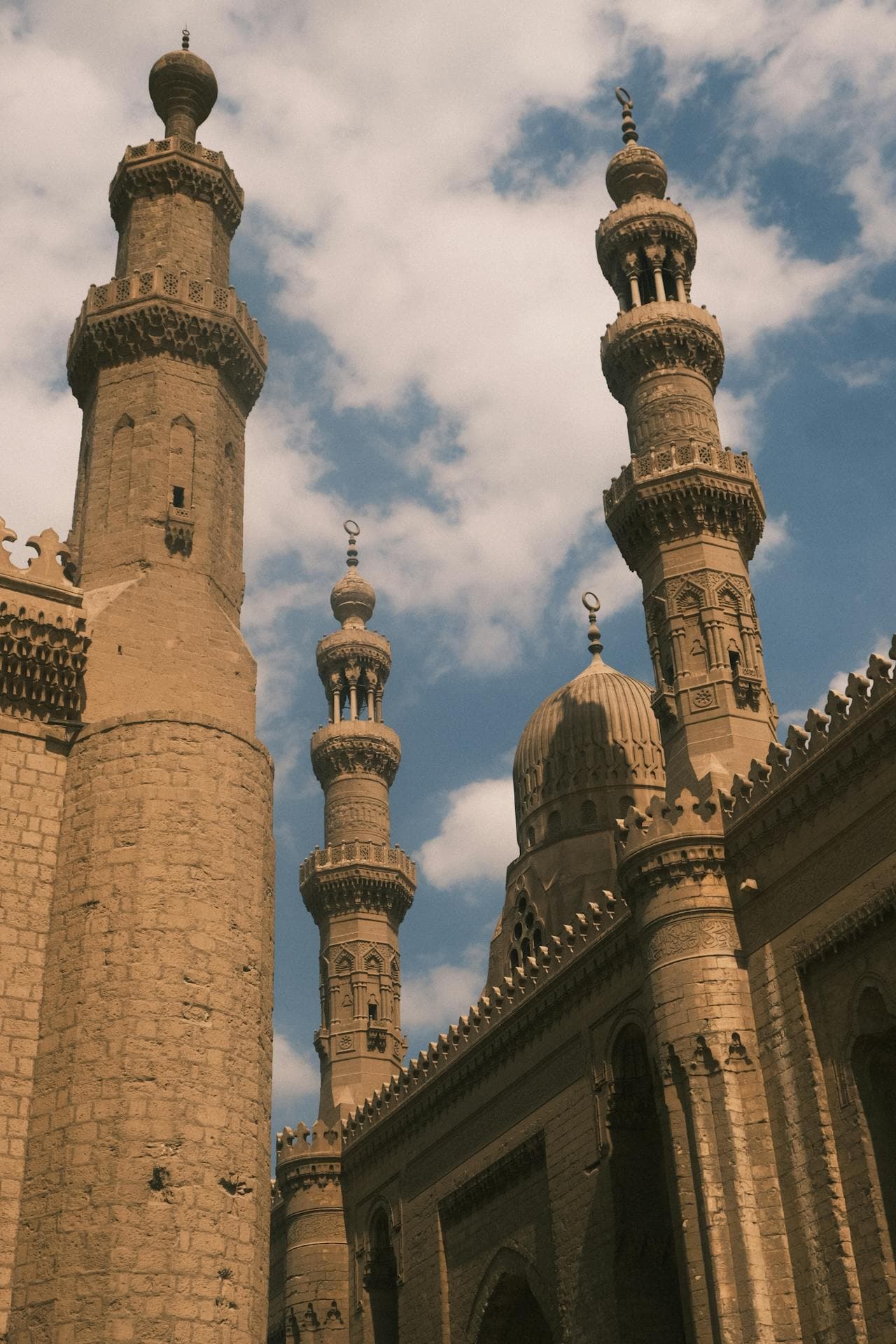
The Bridge to Egypt – Sicily and Al-Azhar’s Ancestral Connection
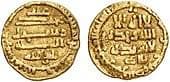
When Islamic Sicily fell to the Normans, many of its scholars and saints migrated east — carrying with them the libraries of Palermo and the spirit of its civilization. Among those who found refuge in Cairo were families of scholars whose roots were in Siqilliyah. Their arrival enriched the newly founded Al-Azhar University, which soon became the beating heart of Islamic scholarship for the world.
It is said that among the early teachers of Al-Azhar were descendants of Sicilian scholars who had studied in Qayrawan, Tunis, and Palermo — carrying manuscripts written in the very ink of Sicily’s golden age. Thus, the light of Al-Azhar and the legacy of Sicily became intertwined — two reflections of the same Divine mirror: one in Africa, one in Europe. Through them, the Mediterranean became not a sea that divided, but a sea that united — a living bridge between the Ummah’s past and its destiny.
The Bridge to Al-AzharWhen Sicily fell, scholar families migrated to Cairo, carrying:
- Manuscripts
- Sufi chains (tariqāt)
- Curriculums
- Spiritual sciences
Many early instructors of Al-Azhar University carried Sicilian Andalusi lineages — meaning: The Islamic heart of Europe helped raise the Islamic heart of Africa. Sicily was not a lost island — it seeded the rise of global Islamic scholarship.
Living Reminders
أَلَا إِنَّ أَوْلِيَاءَ اللَّهِ لَا خَوْفٌ عَلَيْهِمْ وَلَا هُمْ يَحْزَنُونَ
“Indeed, the friends of Allah shall have no fear, nor shall they grieve.” — Surah Yunus 10:62
Even today in Sicily:
- Water systems are Islamic in origin
- Agricultural cycles carry Arabic terms
- Street patterns reflect Islamic urban design
- Family names carry Arabic roots
- And the mountain winds whisper dhikr
Through Silatu Arrahim Journeys, we invite the Ummah to walk again:
- Palermo
- Corleone
- Mazara
- Caltabellotta
- Enna
- Taormina
- Mount Etna
- Monreale
- Segesta
- Catania
This is not tourism—it is revival of memory and lineage of light.
A Heritage Alive
Heritage is not something of the past, but a living servant of the Divine ..
Sheikh Ibn Hamdis(1056–1133 | Born in Noto, Sicily – Died in Seville)
The poet of exile; his verses mourned lost Muslim lands yet glorified Allah’s compassion.
Sheikh Abu Al-Qasim Al-Siqilli(10th c. | Sicilian physician & mathematician)
A reference in early medical science.
Sheikh Ibn Al-Jazzar Al-Siqilli(898–980 | Born Kairouan of Sicilian lineage)
His medical text Zād Al-Musāfir became Europe’s medical guide for 400+ years.
Sheikh Abu Al-Hasan Ali Al-Siqilli(Scholar of Fiqh & Philosophy | 11th c.)
His works reached Al-Azhar and Andalusia.
Heritage is not something of the past, but a living servant of the Divine — crossing Time, Space, and Place, guided by the Divine. The Past, Presence, and Future are all One United. The actions of today’s presence are the heritage of tomorrow.
The Tear of the Crescent
O Sicily… Siqilliyah Al-Durr — the Pearl returned to the sea,
Your shores still recite what history tried to silence.
Your wind carries fragments of adhān unbroken,
whispered between Etna’s fire and the salt of Mazara’s tide.
Your mountains stood as mihrabs of resistance,
your valleys bloomed like gardens inked by prayer,
your scholars wrote stars into compasses
and placed light in the hands of sailors searching for Allah.
From Balarm, the city of a thousand minarets,
to Qalʿat Shibitta, where the night measured heaven,
from Corleone, where honor refused surrender,
to Taormina, where the soul learns horizon—
You were not conquered…
you were veiled.
O land of citrus, scholars, and hidden saints,
You were a bridge when borders were wounds,
a lantern when seas were dark,
a page when Europe forgot how to read.
Though palaces lost their crescents,
and mosques wore borrowed bells,
your stones still know the weight of sajdah,
your soil still preserves names Allah never forgets,
your silence is not absence—
it is dhikr waiting to be heard again.
The Tear of the Crescent
فَإِنَّهَا لَا تَعْمَى الْأَبْصَارُ وَلَٰكِن تَعْمَى الْقُلُوبُ الَّتِي فِي الصُّدُورِ
“It is not the eyes that are blind, but the hearts within the chests.” Surah Al-Hajj 22:46
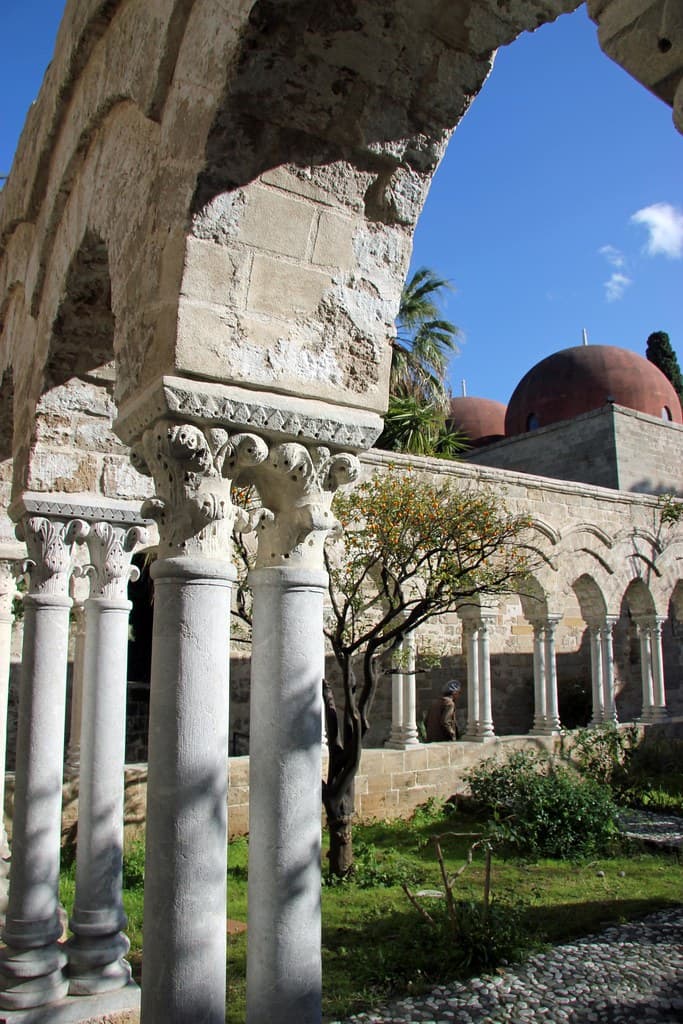
The Tear of the Crescent
O children of this timeless island,
when you touch her walls—remember,
when you walk her coasts—remember,
when you taste her oranges—remember,
that faith once ruled here with mercy, not legend.
Sicily was never the edge of Islam…
It was its echo across the waters,
its hand stretched toward Europe,
its silent testament that light does not expire—
it only travels.
And so we say:
You will rise again, not by sword, but by remembrance.
Not by empire, but by awakening.
Not by claim, but by recognition.
For heritage is not a grave…
It is a womb awaiting rebirth.
Sicily—O hidden crescent of the Mediterranean,
you were depth before distance,
faith before conquest,
and love before loss.
May Allah return the hearts to what once lived here,
and return this land to the Ummah not in rule,
but in remembrance, reverence, and reunion.