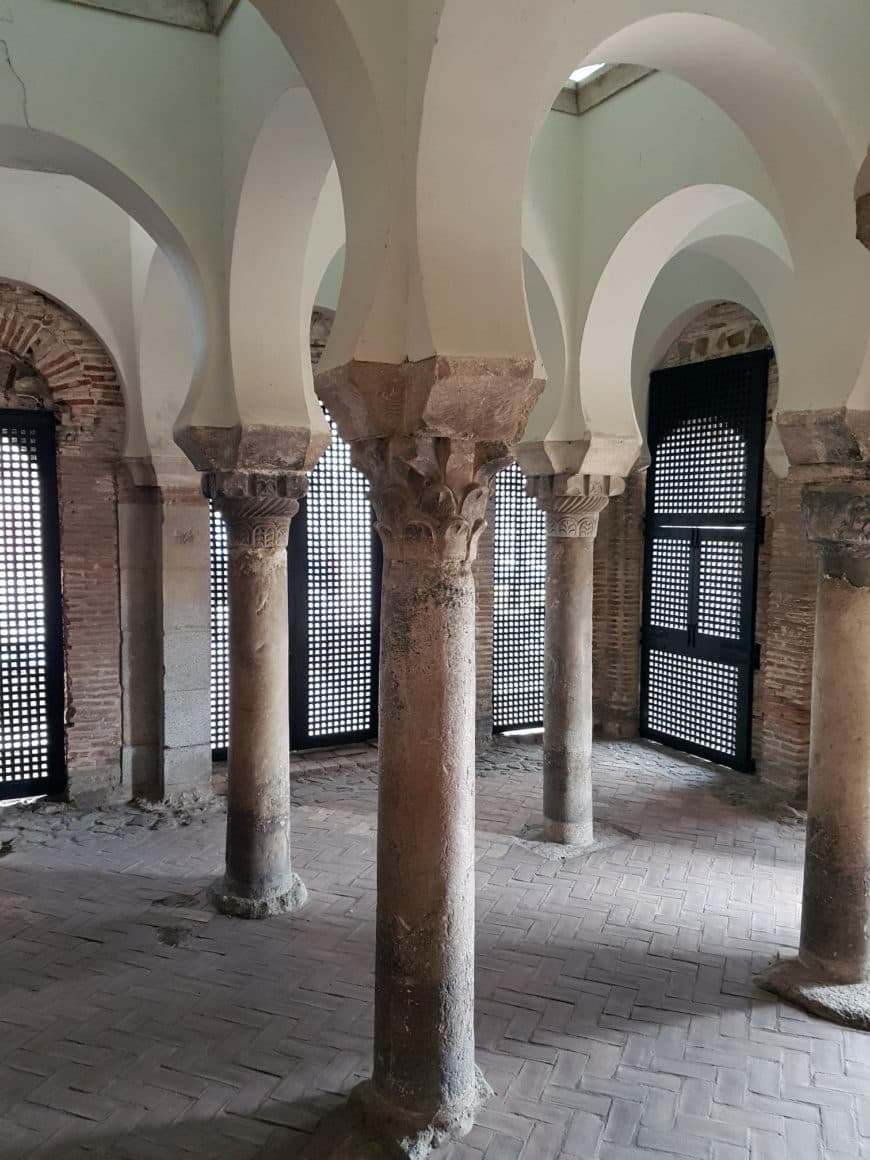
The Soul of Portugal — Ard Al-Burtuqāl
The Land of Oranges, The Western Lantern of Al-Andalus
The Land of Oranges, The Western Lantern of Al-Andalus
“Gharb Al-Andalus: Where the Ocean remembers Allah, and the Crescent still speaks”
At the farthest shore of Al-Andalus, where the Atlantic bows to the remembrance of the Creator, lies Portugal — Ard Al-Burtuqāl, the Land of Oranges.
Known to our forebears as Ard Al-Burtuqāl — the Land of Oranges: a coastline perfumed with citrus, castles crowned with moonlit domes, and valleys where the remembrance of Allah once threaded through fountains and gardens.
A land perfumed with citrus, traced with irrigation canals of Muslim genius, crowned with ribāṭ fortresses, and softened by athān that once harmonized with the ocean tide.
This is Gharb Al-Andalus, the Western frontier of faith, scholarship, poetry, tasawwuf, astronomy, agronomy, governance, and jihad of the soul.
Gharb Al-Andalus, the Western Gate of Andalusian light.
قُلْ سِيرُوا فِي الْأَرْضِ فَانظُرُوا كَيْفَ بَدَأَ الْخَلْقَ ثُمَّ اللَّهُ يُنشِئُ النَّشْأَةَ الْآخِرَةَ ۚ إِنَّ اللَّهَ عَلَىٰ كُلِّ شَيْءٍ قَدِير
Say, “Travel throughout the land and see how He originated the creation; then Allah will bring it forth once more. Surely Allah is Most Capable of everything.” Surah Al-‘Ankabut 29:20
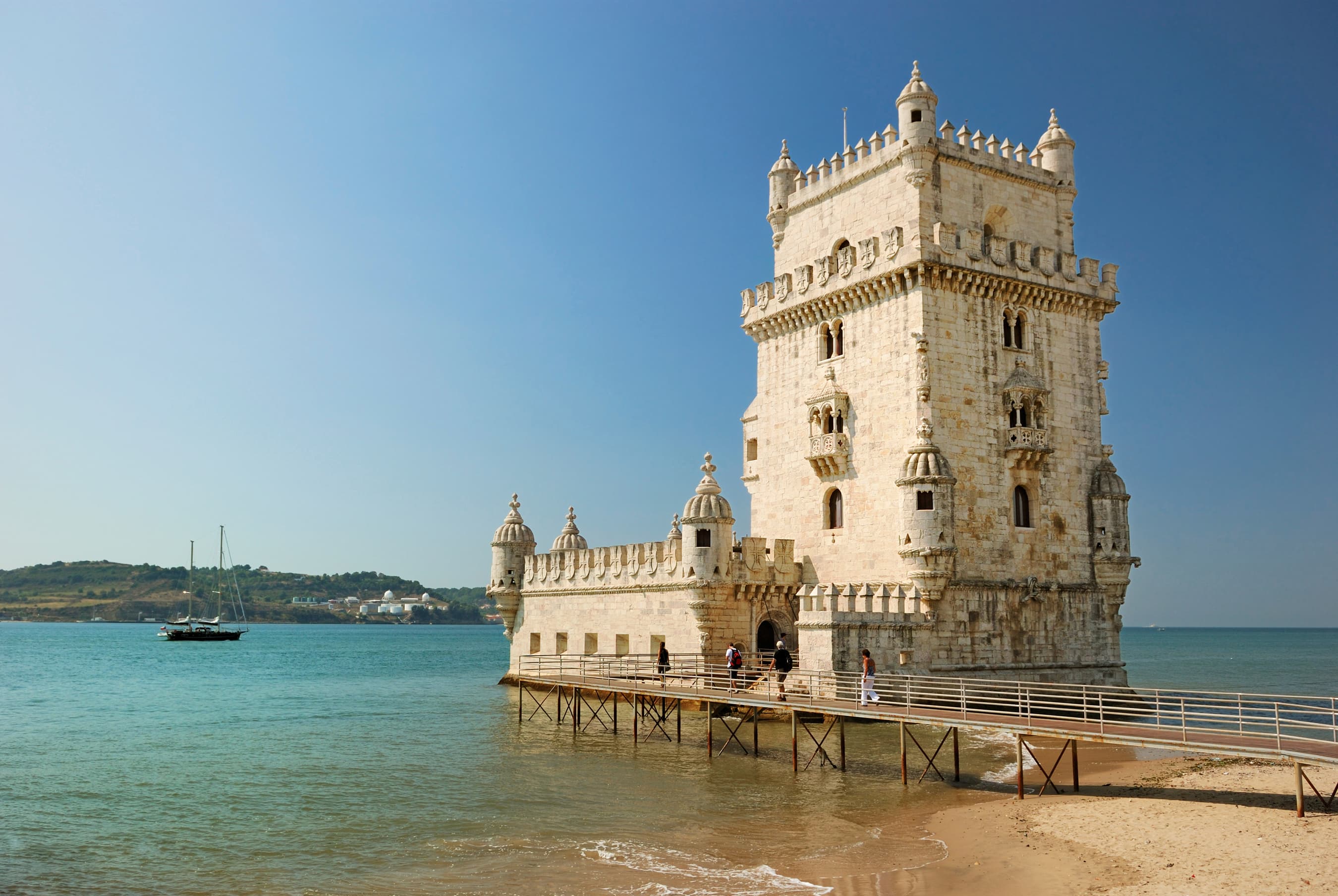
Lisbon — Lisbūna, The Jewel of the Atlantic Emirs
Our path begins in Lisbon (Lisbūna), where the river Tagus meets the Atlantic and time gathers under the hill of Castelo de São Jorge — the Emirs’ Palace. Under Muslim rule, this height sheltered princely households and guarded the harbor of a world city; look up from the Alfama and Baixa to feel the Andalusian skyline return.
Built upon seven hills like Rome, Lisbūna was the key to the Atlantic, a fortified maritime capital under Muslim rule for over four centuries (714–1147 CE).
At Castelo de São Jorge, once the palace of Muslim governors, engineers designed cisterns, observatories, defense walls, and urban planning superior to most of Europe.
We greet the local community at the Grand Mosque & Islamic Center of Lisbon, then read the opening chapter of Portugal’s Islamic story with Sheikh Ṭāriq Ibn Ziyād, May Allah be pleased with them, and Sheikh Mūsā Ibn Nusayr, May Allah be pleased with them, whose arrival opened Iberia and, with it, the western horizon of the Ummah
The city thrived in :
- Shipbuilding
- Cartography & oceanic navigation
- Medicine
- Poetry
- Trade with the Muslim world from Fez to Damascus
And here we remember the original openers of this horizon:
Sheikh Ṭāriq Ibn Ziyād (d. 720 CE, Damascus). Liberator of Al-Andalus, whose landing opened not lands but hearts.
Sheikh Mūsā Ibn Nusayr (640–716 CE, died in Hejaz). Governor of North Africa & architect of Iberia’s Islamic emergence.
Their epic is not one of conquest — but guidance, law, dignity and mercy.
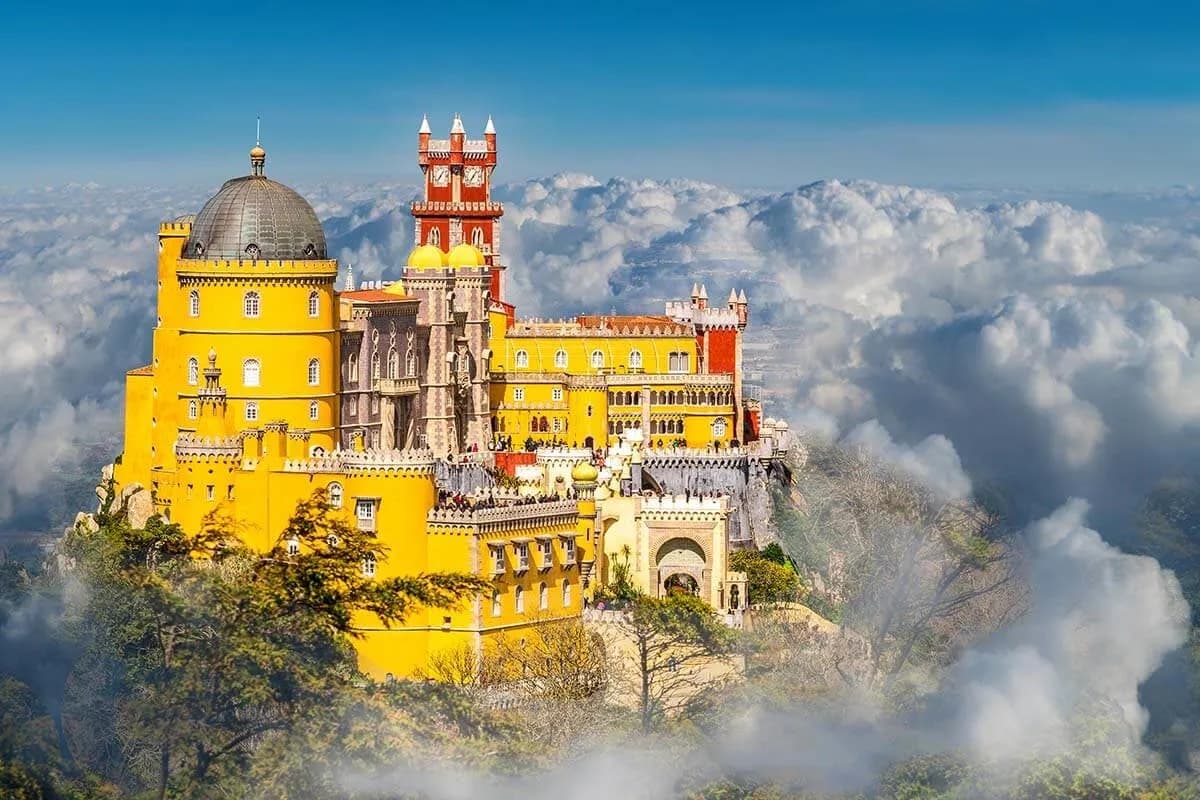
Sintra — The Moorish Crown Above the Clouds
At Sintra, the Moorish Castle rises like a diadem above forests and sea. Within its walls, archaeologists uncovered silos, dwellings, and an Islamic Quarter—a living town of faith and daily craft that watched the coast and guarded Lisbon’s sea-roads. UNESCO later inscribed Sintra’s cultural landscape, with the castle its anchor of memory.
Sintra’s Moorish Castle (Al-Qalʻa Al-Mauri) guarded Lisbon like a spiritual sentinel. Excavations reveal:
- Islamic residential quarters
- Arabic-inscribed household items
- Silos, irrigation, and defense engineering
- Muslim community life thriving at altitude
This was a ribāṭ-town of vigilance and dhikr — guarding both coast and creed.
Imam Ibn ʿAṭā’illāh Al-Sakandarī said:
“How can the heart become illuminated when its image is reflected in the mirrors of created things?” Sintra answered: by rising above them… toward the heavens.
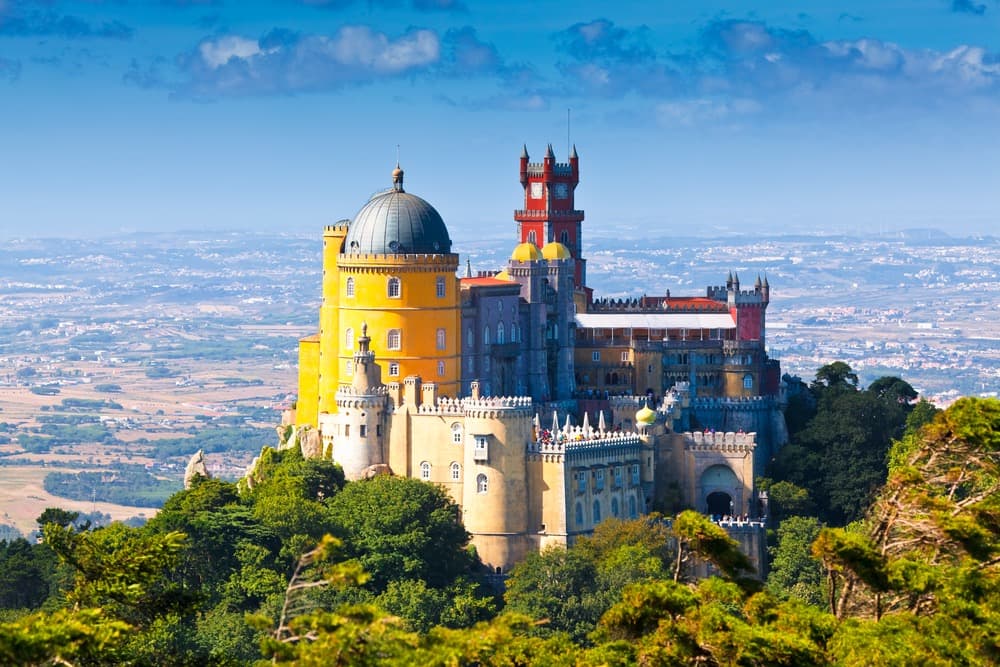
Silves — Capital of the Algarve Kingdom
Southward, Silves—once a capital of the Algarve—keeps one of the best-preserved Islamic fortresses in Portugal, recalling a time when Gharb Al-Andalus governed trade, learning, irrigation, and poetry in equal measure.
Silves (Xilb) was the shining city of the south, capital of the Algarve, more powerful than Lisbon in its time. Here ruled poets, viziers, warriors, and scholars.
It was the home of:
Sheikh Ibn Qāsi (1090–1151 CE, born in Silves, died in Mértola). Sufi leader of the Muridin movement, champion of spiritual revival and resistance, defender of autonomy in Gharb Al-Andalus.
Sheikh Ibn ʿAmmār (1031–1086 CE, born in Silves, died in Seville). Poet, diplomat, vizier — whose mastery of language bent royal courts to wisdom.
Silves was:
- A center of jurisprudence
- A fortress of resistance
- A library town of intellect
- A garden of poets and mystics
Tavira — The Buried Muslim Medina
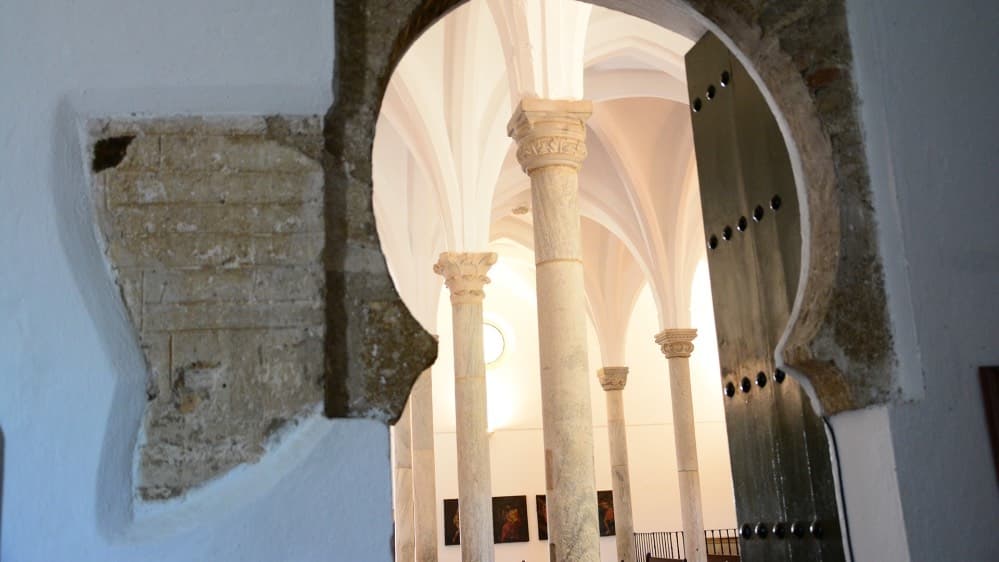
Tavira reveals Arab streets and homes uncovered beneath a convent—now a small museum preserving a medieval Muslim neighborhood once hidden under later stones.
Under a convent in Tavira lies an entire Muslim neighborhood preserved in silence for 800 years:
- Streets
- Homes
- Domestic architecture
- Water systems
- Bazaars
It whispers a truth: Islam did not pass through Portugal — it settled, lived, built and transformed it.
Faro & Albufeira — The Ocean’s Minarets
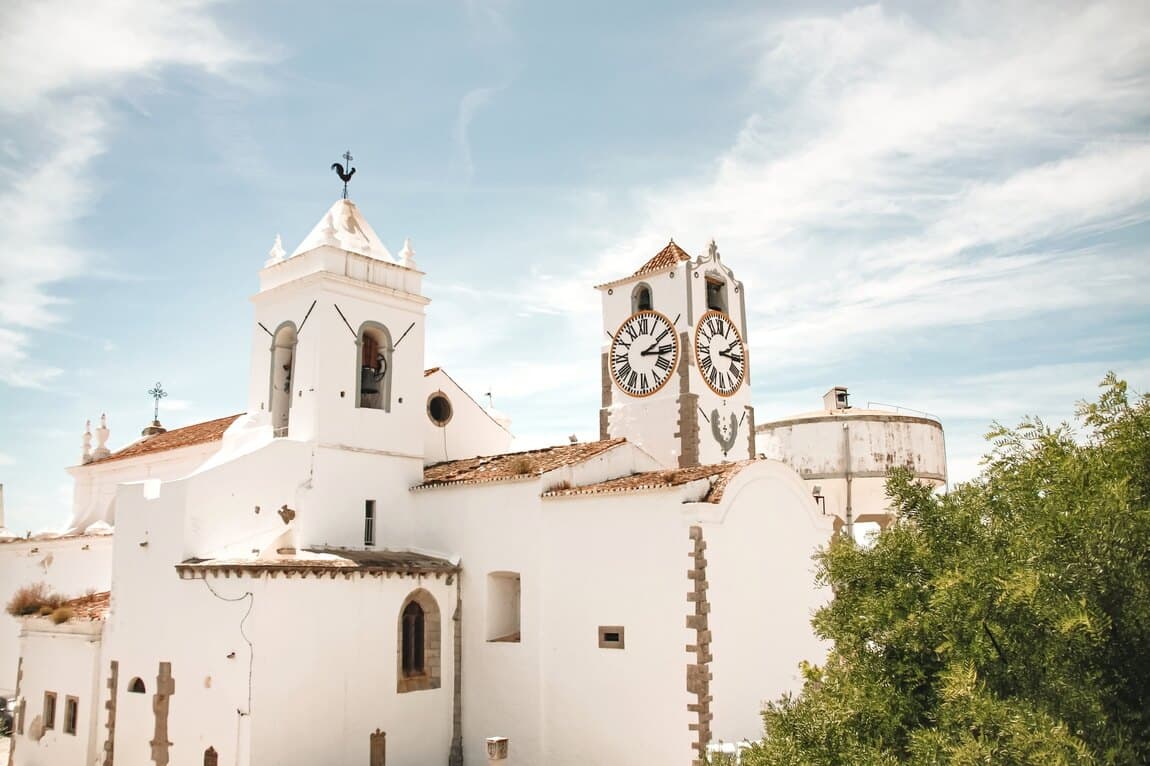
Faro and Albufeira still carry the Moorish silhouette—whitewashed houses, minaret-like chimneys, lanes that descend to the Atlantic like verses. Here the Andalusian eye for water, light, and air shaped towns whose beauty feels at once Portuguese and unmistakably Islamic.Faro (Ossonoba) and Albufeira carry unmistakable Andalusian signatures:
- Minaret-like chimneys
- Whitewashed courtyards
- Wind-cooled homes
- Geometric patterns
- Irrigated fields of citrus and fig
From here, Muslim fleets reached:
- West Africa
- The Maghreb
- The Mediterranean
- Even the Viking North
because Muslims did not fear the ocean — they mapped it.
Mértola — A Mosque that Still Whispers the Adhān
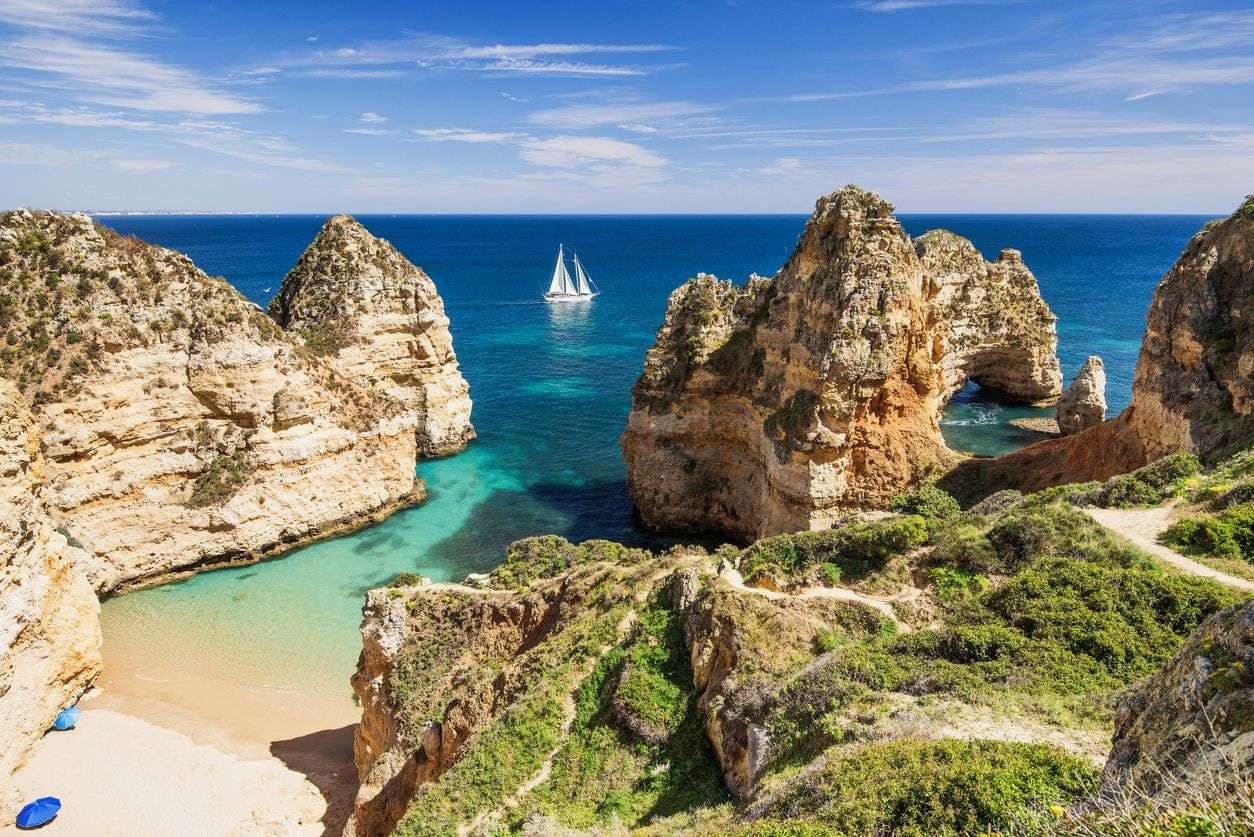
At Mértola, the hilltop former masjid—later used as a church—still keeps its mihrab intact. Walk up the cobbles to the Islamic Art Museum and Almohad neighborhood remains; see doorways with horseshoe arches, domestic layouts with kitchens, water storage, and latrines tied to sewers—proof of the refined standards of life Al-Andalus brought while much of Europe struggled with hygiene.
In Mértola stands one of the most haunting witnesses of Islamic Portugal:
A Masjid preserved inside a church, its mihrab untouched, facing Makkah to this day.
Archaeology confirms:
- Muslim governance
- Advanced sanitation & sewage
- Home architecture based on privacy & family honor
- Street design for climate efficiency
Even stone refused to forget Allah.
وَلَا تَحْسَبَنَّ الَّذِينَ قُتِلُوا فِي سَبِيلِ اللَّهِ أَمْوَاتًا
“Do not think those slain in the path of Allah are dead…” Surah Aal ʿImrān 3:169
Porto — The Northern Minaret of Gharb Al-AndalusThough less known, Porto was a Muslim coastal node, connected to trade routes, knowledge exchange, and navigation science. The Douro river once carried not wine barrels alone — but ideas, medicine, and instruments of astronomy.
The Sufi Heart of Portugal — Emirs, Saints & Poets
(1040–1095 CE | Born in Beja, ruled in Seville, died in Aghmāt, Morocco)
- Poet-King of Gharb Al-Andalus
- Patron of scholars, arts, Sufis
- His verses still perfume Andalusia
(1090–1151 CE | Silves → Mértola)
- Sufi leader, political voice of dignity
- His influence inspired reform, spirituality, and resistance
(1031–1086 CE | Silves → Seville)
- Master poet and diplomat
- The soul-voice of Algarve in literature
(11th century | Alcabideche)
- Poet of devotion and metaphysics
These were not mere names… They were lanterns upon the ocean of existence.
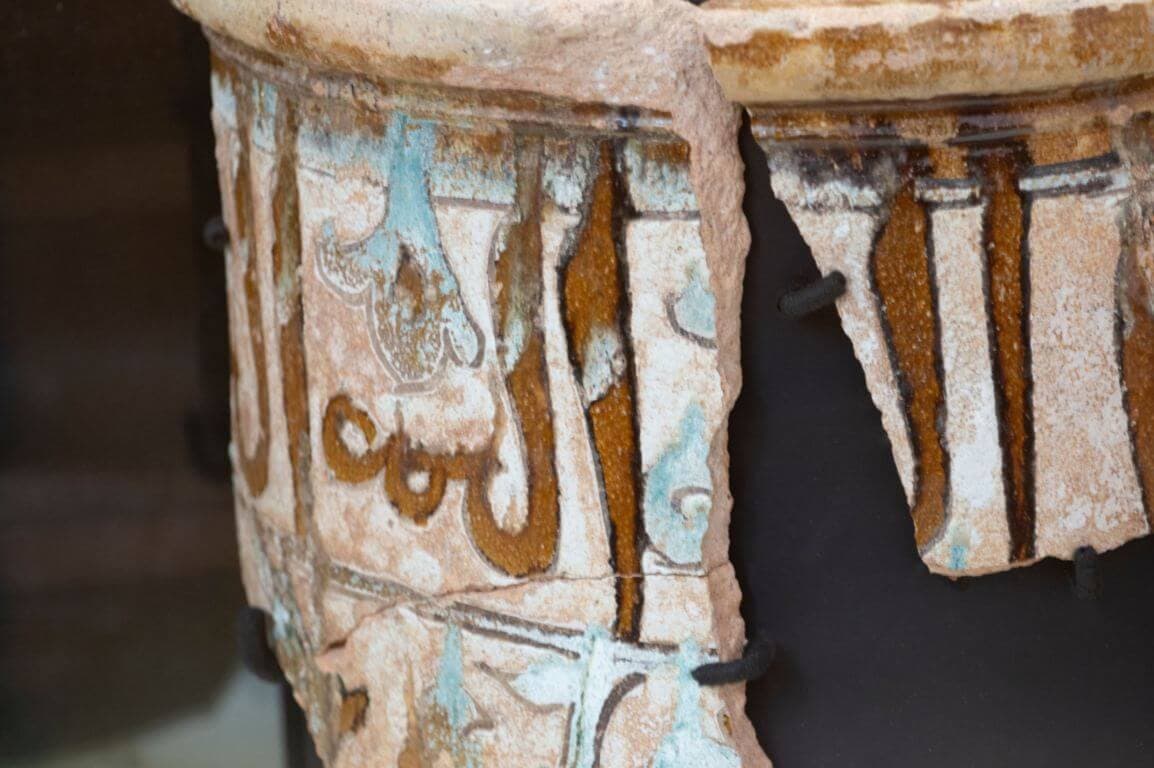
Ard Al-Burtuqāl — Language, Toponyms, and the Orange Blossom
Our legacy lives in the language itself: over a thousand Arabic-derived words in Portuguese; place-names beginning with Al-, Ben-, Ode-—Albufeira, Alvor, Almancil, Benafim, Odeceixe, and more—carry the breath of Qur’anic Arabic into the present. The orchards of ard Al-burtuqāl (the land of oranges), almond and fig, carob and pomegranate—these were gifts of Muslim agronomy that still sweeten Portugal’s table today.
The Linguistic Dhikr — Arabic in Portuguese TodayOver 1,000 Portuguese words descend from Arabic, such as:
- Alface (lettuce)
- Açúcar (sugar)
- Arroz (rice)
- Almofada (pillow)
- Algarve (Al-Gharb)
- Albufeira (Sea Lagoon)
- Alcácer (The Castle)
Language itself became dhikr.
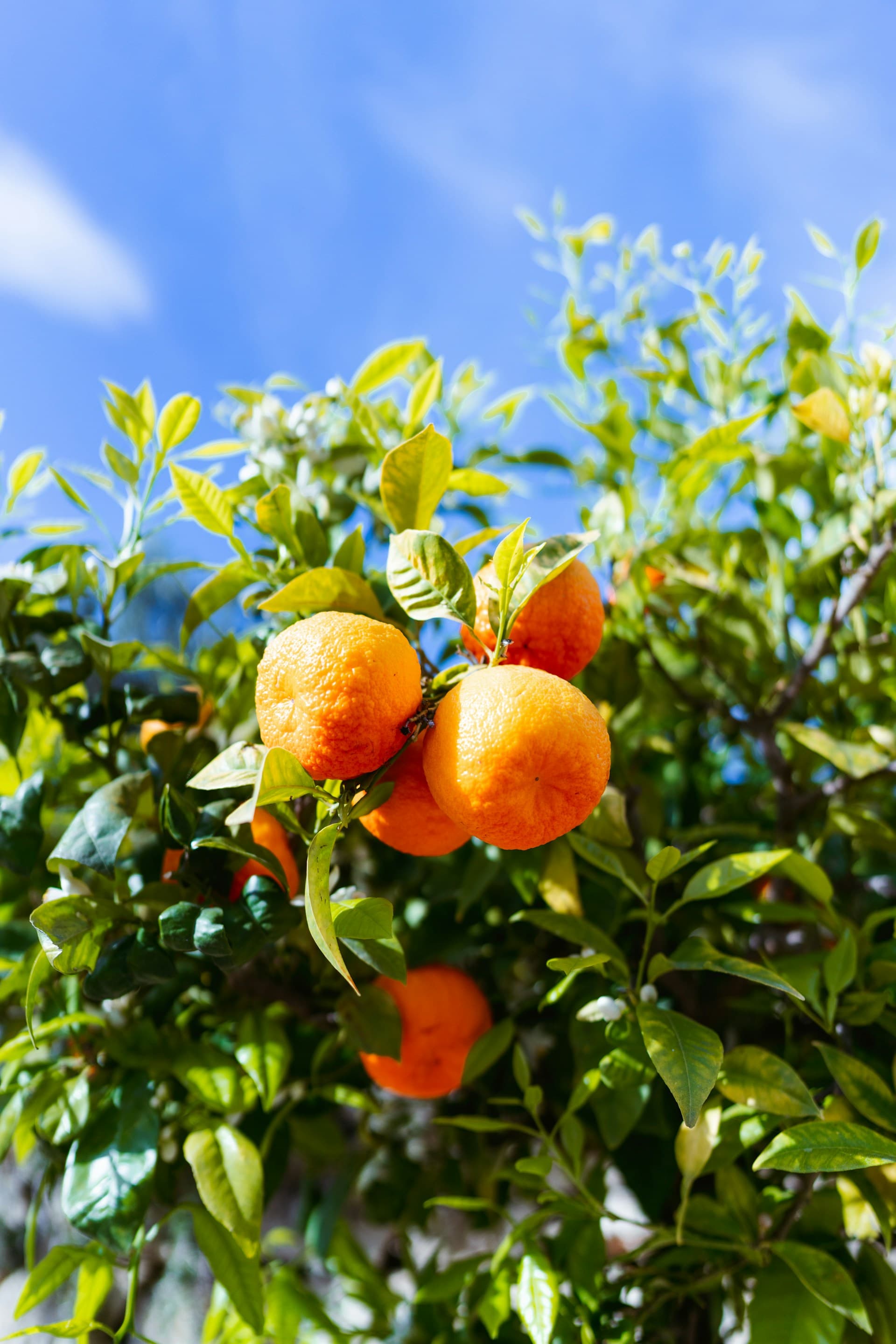
The Eternal Promise of Portugal
Islam in Portugal was not erased — it transformed into memory, then identity, then longing.
The ocean still carries Quranic rhythm. The oranges still grow from Muslim gardens. The mihrab still points true.
The Poets and Princes of Gharb Al-AndalusPortugal’s soul is braided with Andalusian genius. Among the greats:
- Sheikh Emir Al-Muʿtamid Ibn ʿAbbād, May Allah be pleased with them—born in Beja, poet-king of Seville, whose verse and patronage united Algarve beauty with courtly grace.
- Sheikh Ibn Qāsi, May Allah be pleased with them—of Silves, a leader whose Mértola-Silves axis marked the Gharb;
- Sheikh Ibn ʿAmmār, May Allah be pleased with them—poet of Silves and vizier in Seville;
- Sheikh Ibn Al-Muqannaʿ (Ibn Muqana), May Allah be pleased with them—poet of Alcabideche. Their words, courts, and zawāyā once perfumed this land; their traces remain in ruins, museums, and the living tongue.
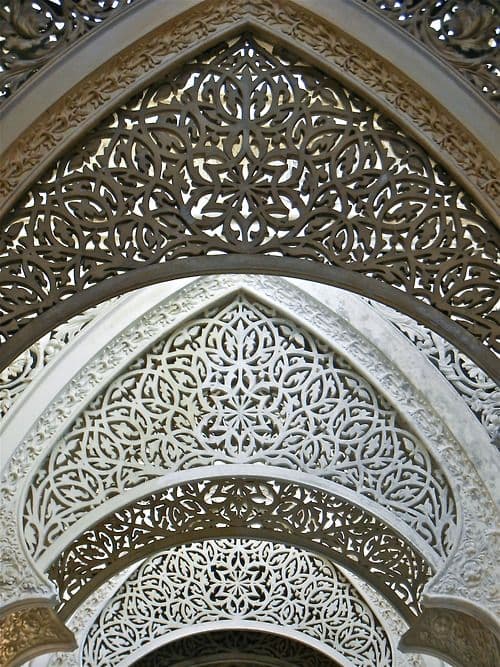
Gharb Al-Andalus to the Present
Though reconquest and earthquakes veiled many monuments, the line of remembrance did not break. Lisbon’s Grand Mosque, communities across Lisbon, Algarve, and Alentejo, and renewed scholarship in Tavira, Silves, and Mértolakeep the story alive—proof that heritage is more than stone; it is barakah carried by people.
“Never think of those martyred in the cause of Allah as dead. Rather, they are alive with their Lord, provided for—rejoicing…” (Āl ʿImrān 3:169–171)
The Journey of RemembranceWith Silatu Arrahim Journeys, you will:
- Stand beneath São Jorge and read Lisbon’s skyline as an Andalusian page;
- Walk the Sintra ramparts and its Islamic Quarter;
- Read the stones of Silves and Tavira; breathe the Moorish air of Faro and Albufeira;
- Pray with the memory of Mértola’s mihrab and behold artifacts that speak Qur’an without words.
This is not tourism—it is testimony. Not a holiday—a silsila of hearts linking Gharb Al-Andalus to today’s Ummah.
Heritage AliveHeritage is not something of the past, but a living servant of the Divine… crossing Time, Space, and Place—guided by the Divine. The Past, Presence, and Future are all One United. The actions of today’s presence are the heritage of tomorrow.
ARD Al-BURTUQĀL
O Land what the ocean calls by name,
O Wind carrying syllables of untold fame,
Your minarets sank, but not your sky,
Your adhan whispers where tides pass by.
From Lisbon’s crown to Silves’ sun,
From Mértola’s prayer to battles won,
Oranges blossom where dhikr was said,
On hearts once alive, now orange-fed.
Allah wrote light upon your sand,
And made remembrance of your perfume grand.
Portugal, O lost golden shore,
The crescent returns, forevermore.