The Islamic Heritage of Malta
The Island of the light of the Sahaba
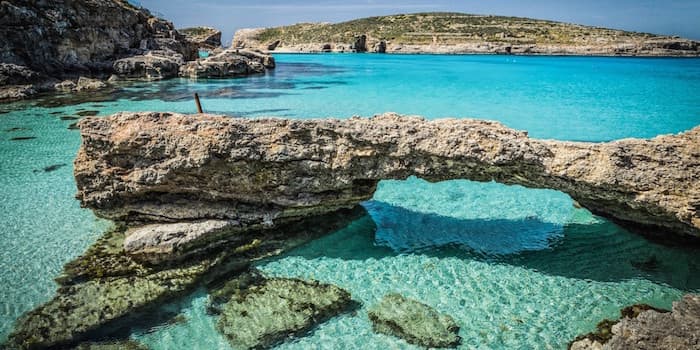
In the heart of the Mediterranean Sea, between the sands of Africa and the shores of Europe, lies Malta — Jazīrat Al-Madīnah, the Island of Light.
Its golden cliffs rise like pages of history, and every breeze carries the memory of a forgotten Adhan that once echoed across its bays and bastions.
For nearly four centuries, Malta was part of the radiant Islamic world — a pearl linking Andalus to Cairo, and Qayrawan to Damascus.
Here, Islam came not as an empire, but as enlightenment — bringing peace, language, and light.
The Dawn of Islam – The Time of the Companions
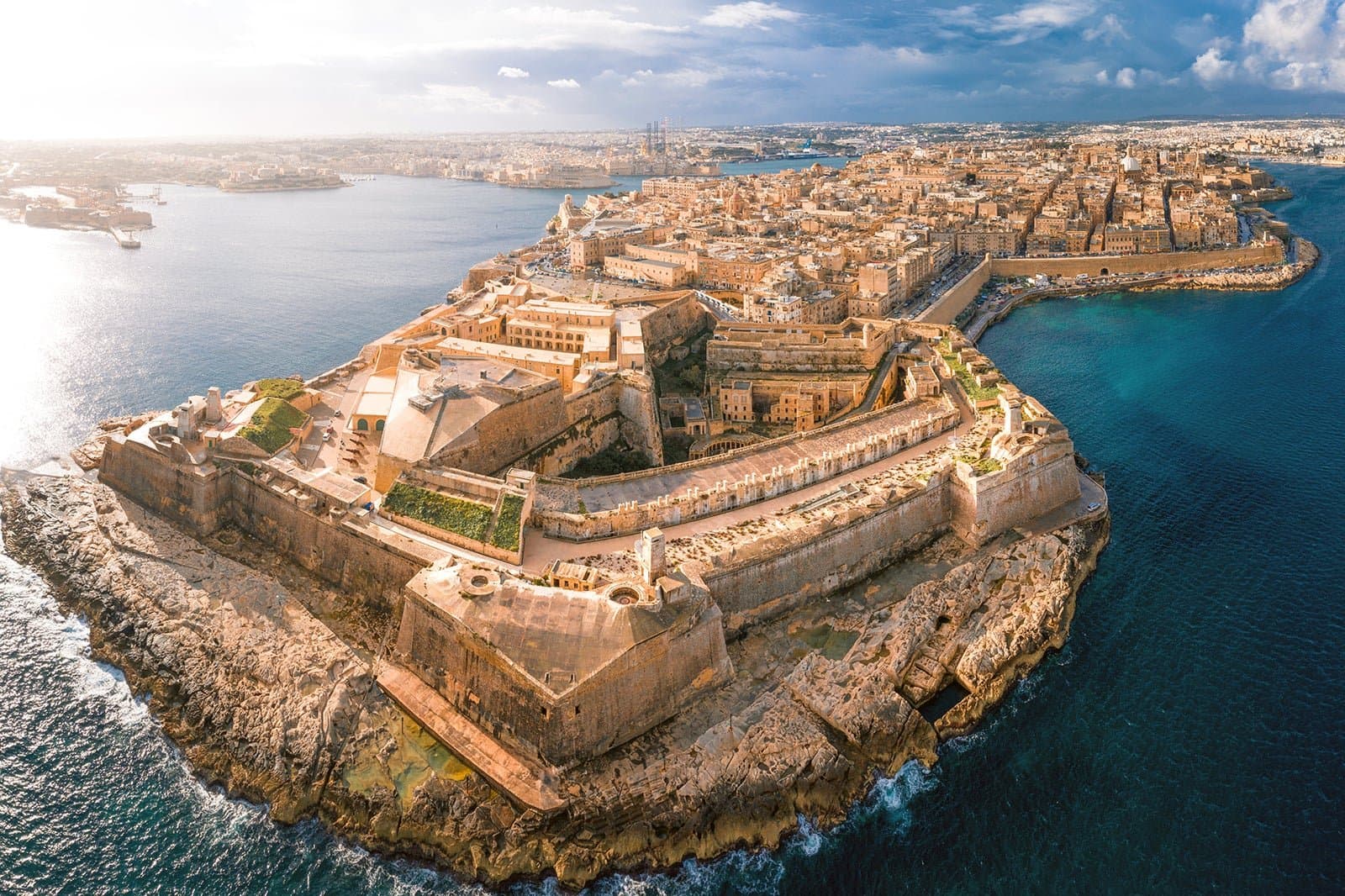
The first wave of Islam touched Malta during the noble reign of Sheikh, Khalifa Uthman Ibn Affan (May Allah be pleased with him). In 647 CE, as the Muslim navy sailed from Egypt under the guidance of Sheikh, Amir Mu‘awiyah Ibn Abi Sufyan (May Allah be pleased with him), Malta’s shores witnessed the arrival of the Companions and their students — bringing with them not conquest, but the message of Tawheed.
The island became part of the vast Mediterranean ummah — a harbor for sailors of faith and scholars of knowledge. The ruins of the ancient Mosque of Mdina — known in early Arabic sources as Medina Al-Malta — still whisper the rhythm of early Qur’anic recitation that once sanctified its stones.
The call to prayer rose here centuries before the West knew the word “civilization.”
The Age of the Umayyads and Aghlabids – Malta, the Gateway of the Maghreb
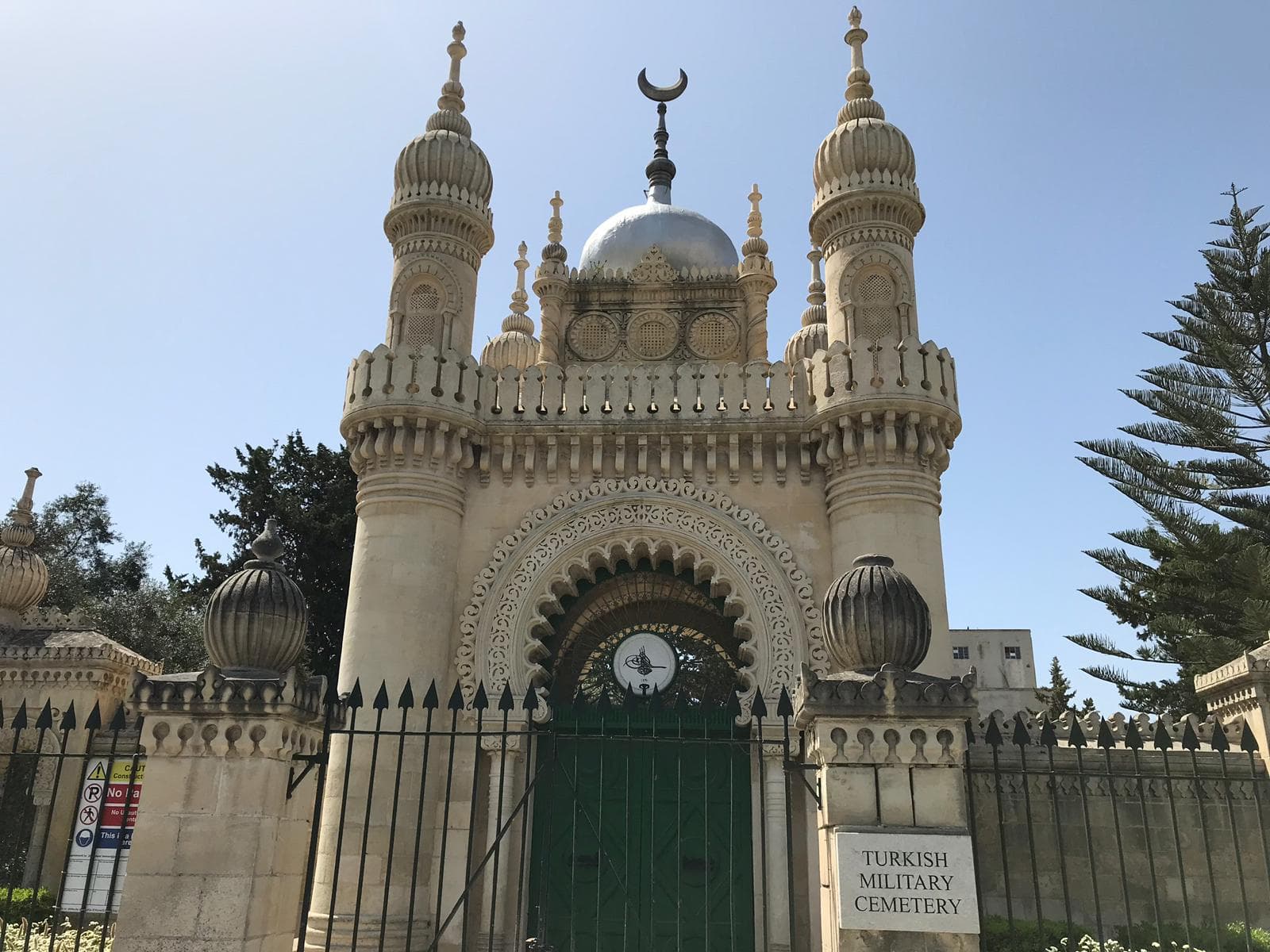
When the light of Islam spread through North Africa, Malta became a jewel of the Aghlabid Emirate of Qayrawan. Under Sheikh Ziyadat Allah I (May Allah be pleased with him), Malta flourished as a center of maritime learning and Qur’anic study — a beacon guiding ships between Ifriqiyyah (Tunisia), Sicily, and Andalus.
In 870 CE, the island was liberated by the military muslim commander Sawada Ibn Muhama Al Hawali (May Allah be pleased with him). He rebuilt Malta in the image of Islamic cities — with mosques, souks, gardens, and fortresses adorned with calligraphy that praised Allah.
Arabic became the tongue of the land, the rhythm of the streets, the melody of the marketplace. The people called their capital Medina, their port Marsa, their market Suq, and their fortress Rabat — names that remain alive to this day.
The Maltese Language – The Arabic Heart of Europe
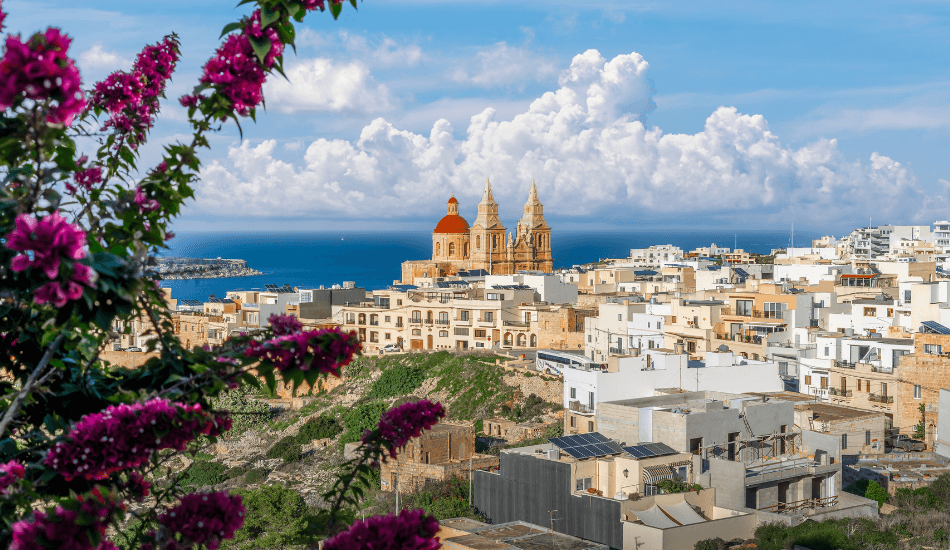
Though centuries have passed, the Maltese language remains the only Semitic and Arabic-derived language of the European Union. More than half its vocabulary — salaam, qalb, samah, bahr, shams — flows directly from classical Arabic. Every Maltese word still hums with the cadence of the Qur’an, every phrase carries the scent of the desert and the rhythm of dhikr.
This living language is the bridge between East and West — a testimony that Islam’s legacy in Malta was not erased, only transformed into the very breath of its people.
“ Indeed, We have sent it down as an Arabic Qur’an so that you may understand.” Surah Yusuf (12:2)
The Ottoman Era – The Return of the Crescent
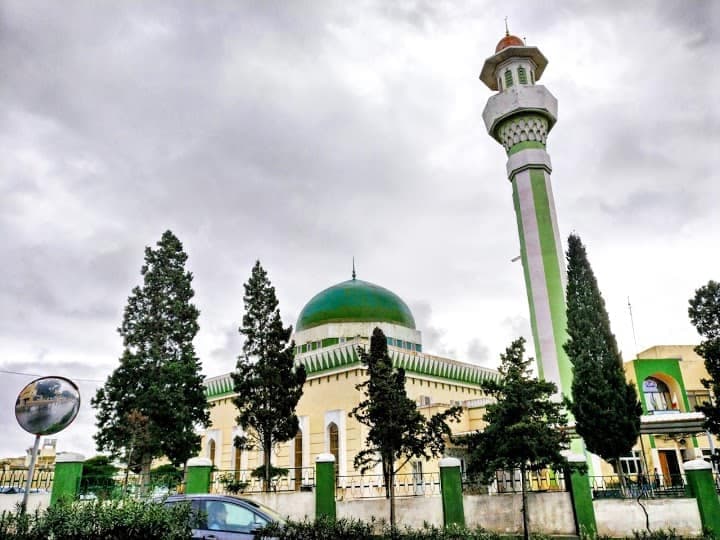
Centuries later, the blessed Ottoman Empire sought once again to rekindle Malta’s Islamic flame. During the reign of Sheikh Sultan Suleiman the Magnificent (May Allah be pleased with him), the island became a focal point of the Mediterranean struggle between faith and empire. The famous Siege of Malta (1565) was not a mere battle — it was a moment of destiny between the rising power of the Crescent and the waning shadow of the Cross.
Among those who fought in this campaign were noble souls of remembrance — soldiers of both body and heart — who saw their struggle as a continuation of the Companions’ journey. The Ottoman fleet anchored off Marsa, the very harbor whose name still bears its Arabic root, meaning “anchorage.”
Though the siege ended in worldly defeat, the spiritual imprint of Islam deepened. Malta remained, and still remains, the westernmost island of Islamic remembrance — a place touched by the Prophet’s ﷺ prophecy of Islam’s spread
“ To the east and to the west until no home remains without the name of Allah being mentioned.”
The Scholars and Awliya of Malta
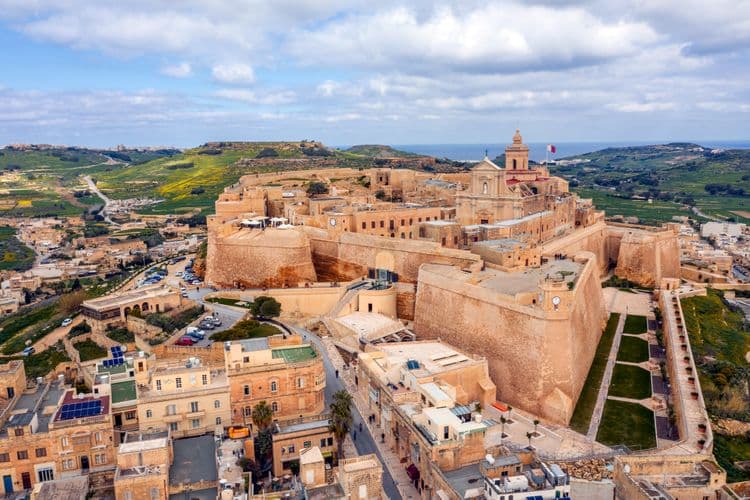
Though many of their names were erased by time, their fragrance remains:
- Sheikh Abu Zakariya Al-Malti (May Allah be pleased with him) – a scholar of fiqh and Arabic linguistics who taught in Palermo and left writings on maritime law.
- Sheikh Muhammad Al-Maltafi (May Allah be pleased with him) – a Sufi traveler who carried Maltese students to Al-Qarawiyyin in Fes.
- Sheikh Halaf Al-Hadim (May Allah be pleased with him) – conqueror and founder of the Islamic city of Mdina Al-Malta.
- Sheikh Sheikh Ali Al-Qarawi (May Allah be pleased with him) – teacher of tafsir in Malta’s first madrasa.
- The Grand Waliyyatu Allah Umm Ishaq bint Ahmad (May Allah be pleased with her) – a female teacher of hadith and Qur’an during the Aghlabid era, whose students preserved her narrations.
Their names live again in the hearts of those who walk this island seeking the truth it once carried.
The Heritage Alive
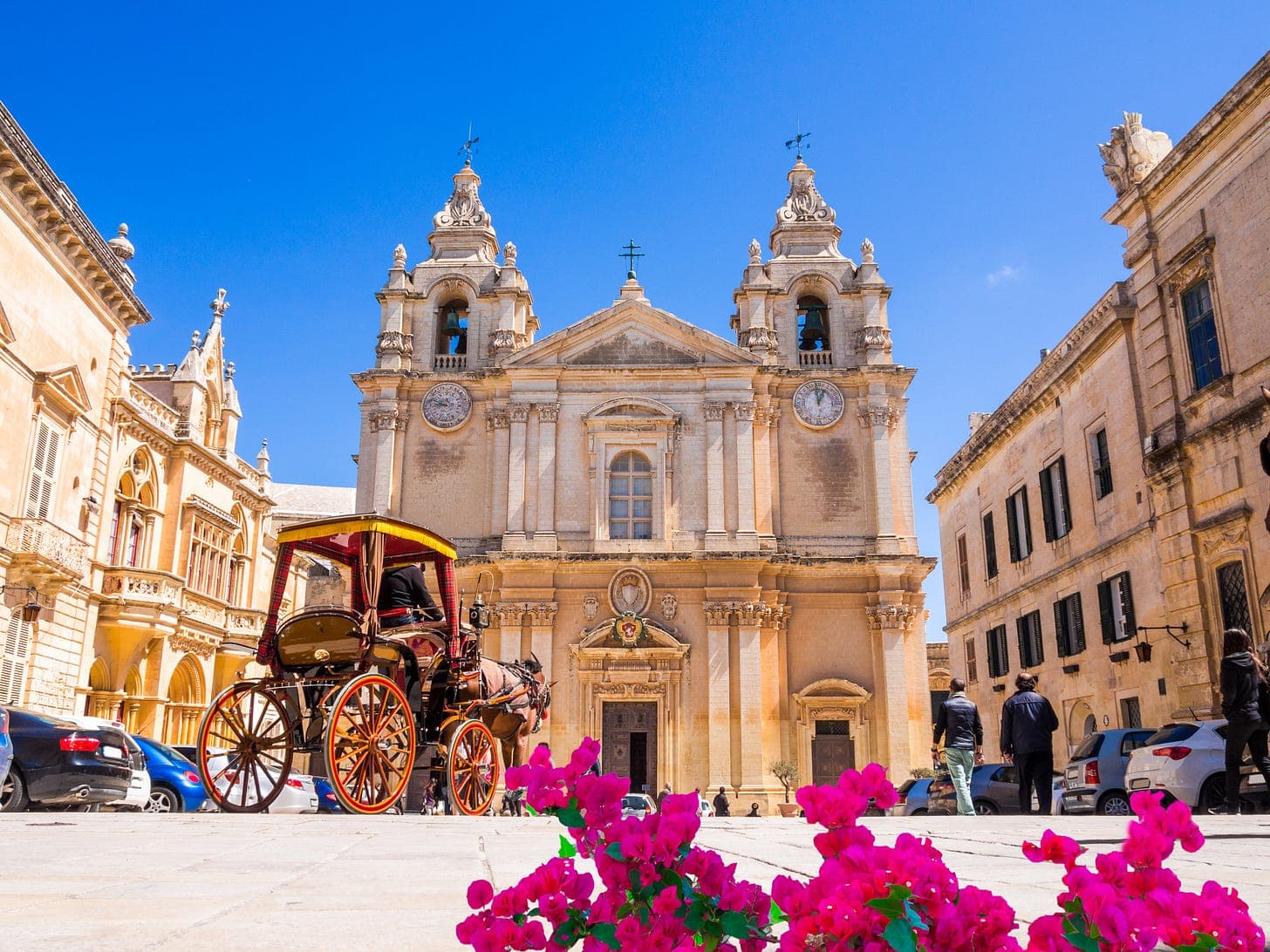
Today, the ruins of the Mdina Mosque, the Arabic inscriptions of the Rabat catacombs, and the linguistic soul of the Maltese language stand as testaments that Islam’s light still glows beneath Malta’s stones. In every word of Il-Malti, the Qur’an still breathes. In every wave that touches its shores, the takbir of the early sailors still resonates.
“ Say, ˹O Prophet,˺ ‘Travel throughout the land and see how He originated the creation, then Allah will bring it into being one more time. Surely Allah is Most Capable of everything.’” Surah Al-‘Ankabut (29:20)
The Journey of Remembrance
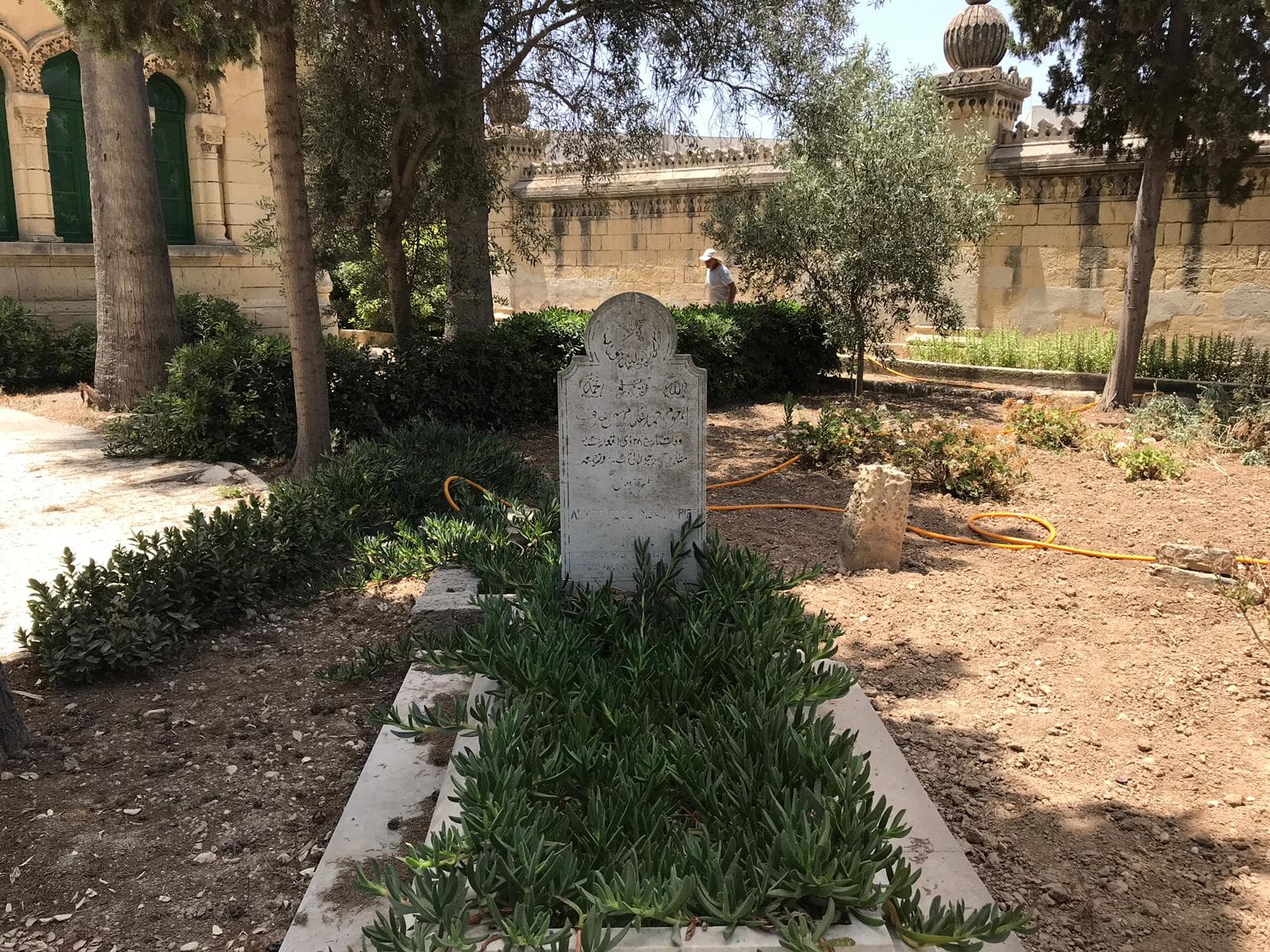
Through Silatu Arrahim Journeys, the Ummah is called to rediscover the hidden heritage of Malta — to walk through Mdina, once the Medina of the West; to pray upon the cliffs of Dingli, where the sea once reflected the sails of Andalusian travelers; and to hear in the Maltese language itself the echo of Bismillah.
This is not tourism — it is testimony. It is the remembrance that Islam’s message has already touched every shore and every heart destined to know Allah.
“ Indeed, the friends of Allah shall have no fear, nor shall they grieve.” Surah Yunus (10:62)
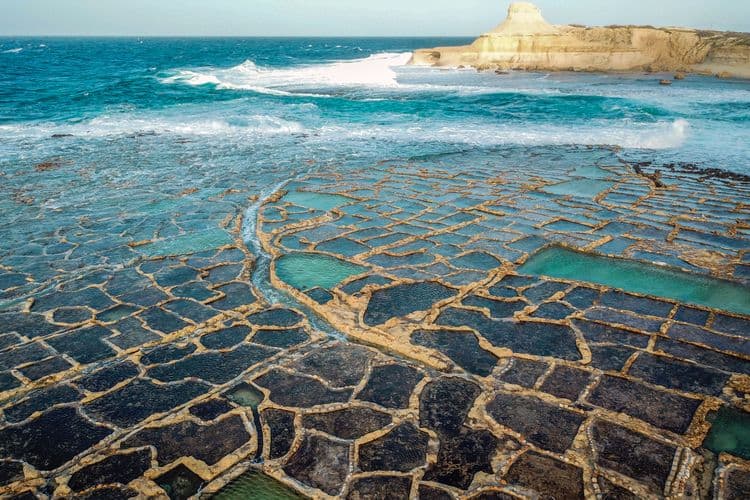
Heritage Alive
Heritage is not something of the past, but a living servant of the Divine…
Crossing Time, Space, and Place — guided by the Divine.
The Past, Presence, and Future are all One United.
The actions of today’s presence are the heritage of tomorrow.
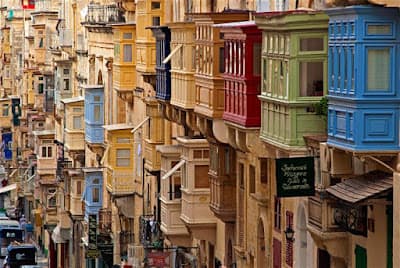
The Island of Light
O Malta…
child of the sea, crowned with honey-stone and horizon,
your coastlines are scrolls, your wind an archivist,
your cliffs—minarets carved by the hand of the Most High.
Before empires, before crusades, before history wrote borders,
the Sahaba wrote footsteps upon your shores.
With Uthman Ibn Affan رضي الله عنه, the caravans of faith became fleets,
and from Egypt they sailed—not to conquer land,
but to liberate the heart from the idols of the unseen.
The Mediterranean was a prayer-mat of foam,
and Malta its qiblah of encounter.
O island of Mdina, the Medina of the West—
your first mihrab pointed not to kings, but to eternity.
And though stones erode and dynasties dissolve,
languages do not lie—
in your very tongue lives an Arabic soul,
an Andalusi heartbeat,
a Semitic star still shining in Europe’s sky.
You said salaam before the world said hello,
your markets were suq before they were markets,
your harbor was marsa before it was a port,
your city was medina before it was Mdina,
and your people spoke in vowels that kneel like worshippers
still bowing toward the East.
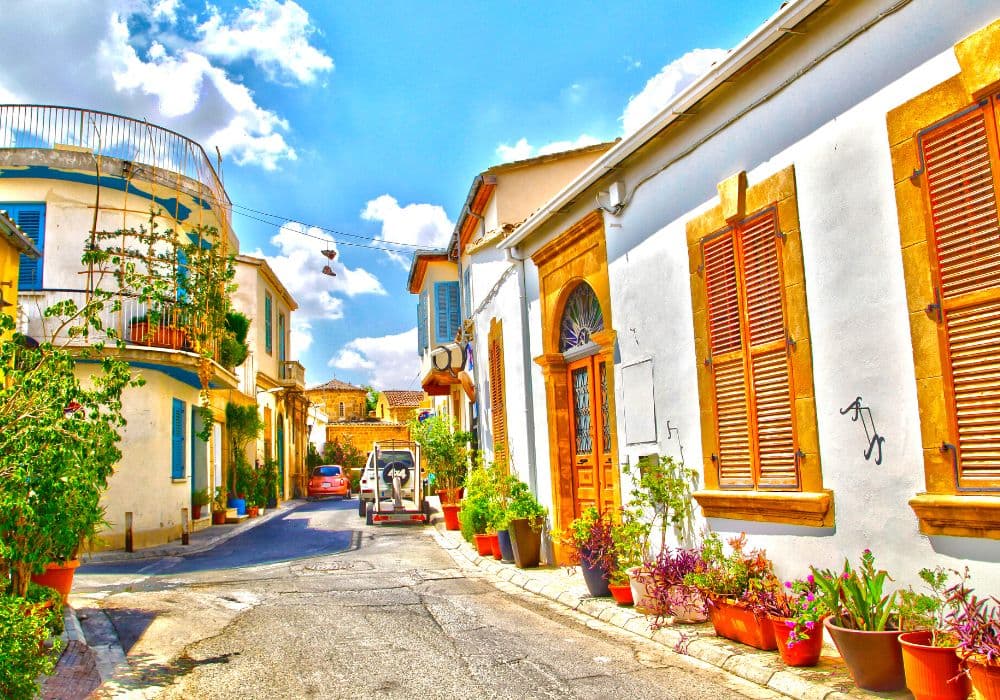
The Island of Light
O Malta, island raised upon remembrance—
your fortresses witnessed the Umayyad crescent,
your shores were ink for Aghlabid scholarship,
your lanterns burned with Qur’anic grammar, astronomy, and fiqh.
And when the age of Ottomans came—
Suleiman’s dream reached your horizon,
not for thrones, but for the unfinished symphony of Tawheed.
Battles came and passed,
but Islam left not by sword—
only by silence.
And silence is not absence,
it is the language of secrets preserved.
Your saints did not vanish—
they hid in the breath of dialect,
in the cadence of fishermen’s prayers,
in the architecture of echoing streets,
in the womb of mothers naming children with Semitic softness.
Even now, when the waves rise,
they do not crash—they recite.
“You hear them as a sound, but they are all dhikr.”
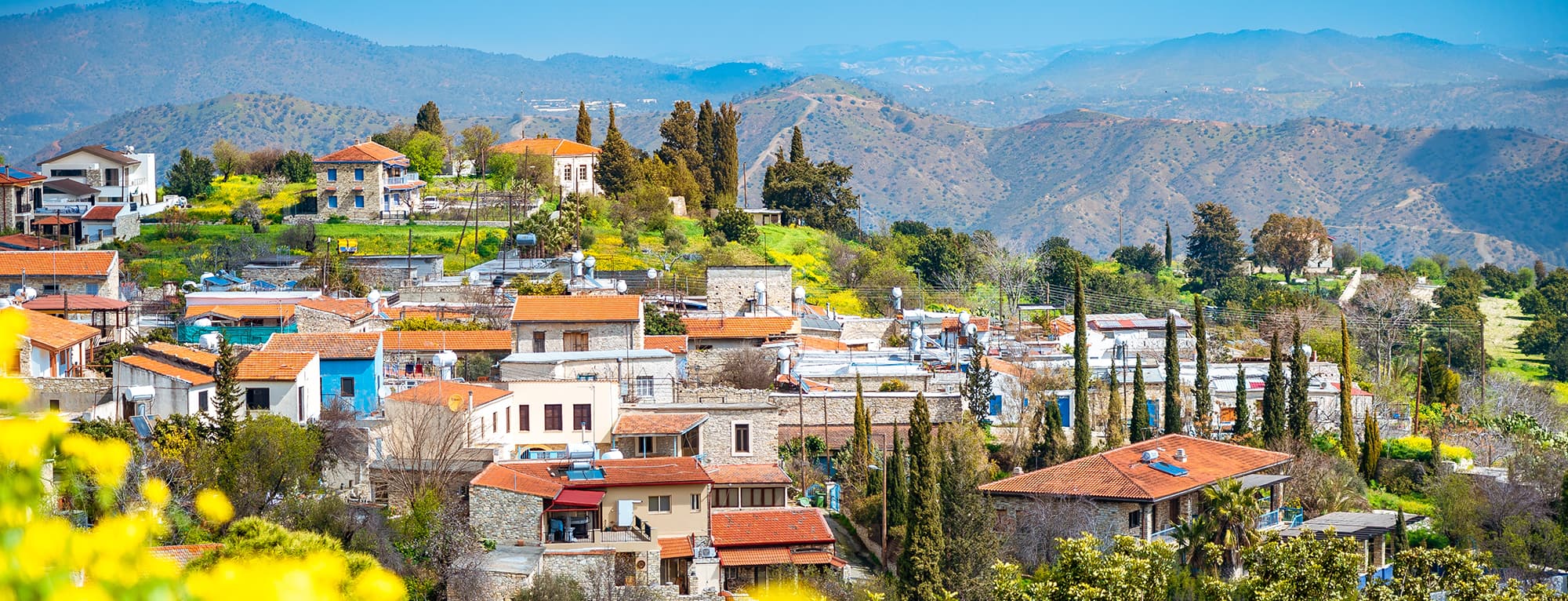
O Malta, listen…
You are not a chapter closed.
You are a verse folded, waiting to be unfolded.
The Sahaba knocked on your door,
and you opened with language, culture, remembrance, and spice.
You carried Islam not in the minaret,
but in the tongue, the market, the sea,
and the soul of the people.
Histories can burn libraries—
but they cannot burn vocabulary, melody, or identity.
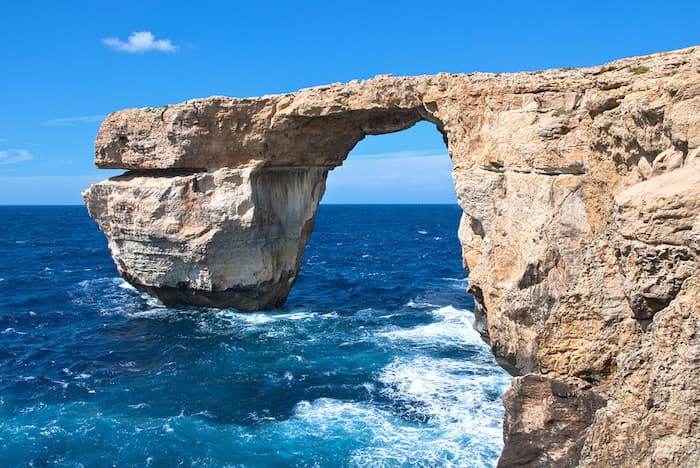
O Island of Light, we testify:
That the Qur’an once walked here without translation.
That the Adhan once echoed without hesitation.
That knowledge once docked here without permission.
That faith once called this land home, not history.
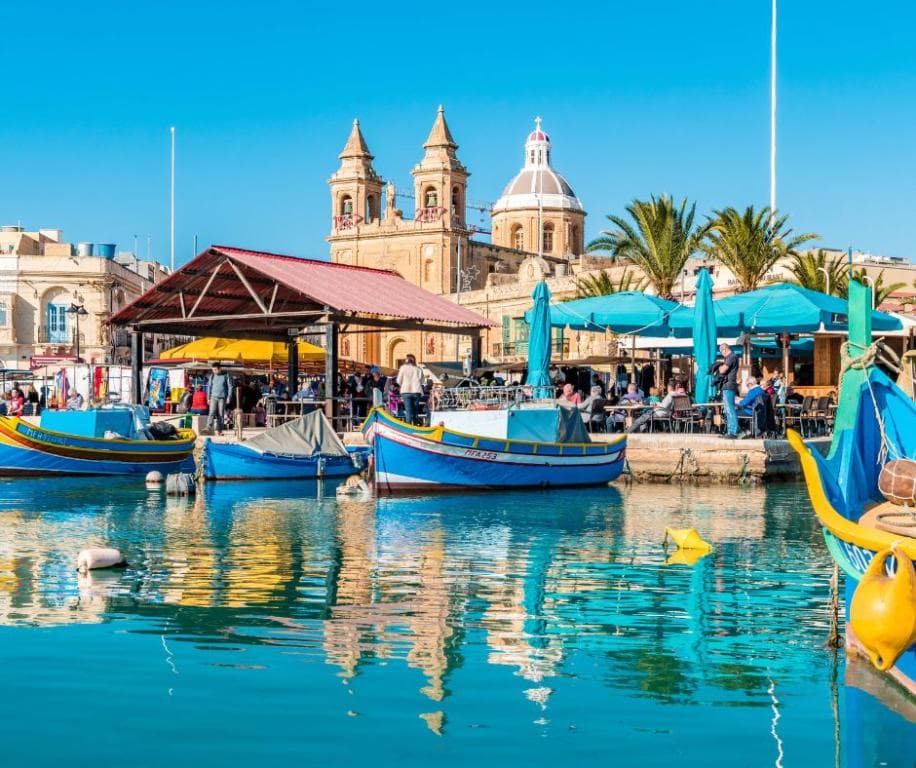
And so we conclude, not with an ending, but with a reminder:
Poetic Seal
O Malta…
you are not a shore—
you are a story anchored between worlds.
Your letters are Arabic,
your stones are Andalusian,
your sea is Ottoman,
your dawn is Aghlabid,
your soul is Sahabi.
No matter who passed through you,
Islam did not pass away from you.
You are the island that did not lose its light…
it hid it in plain sight.
And when hearts return and ears listen,
the waves will speak again:
La ilaha illa Allah…
even here… even still… even forever.
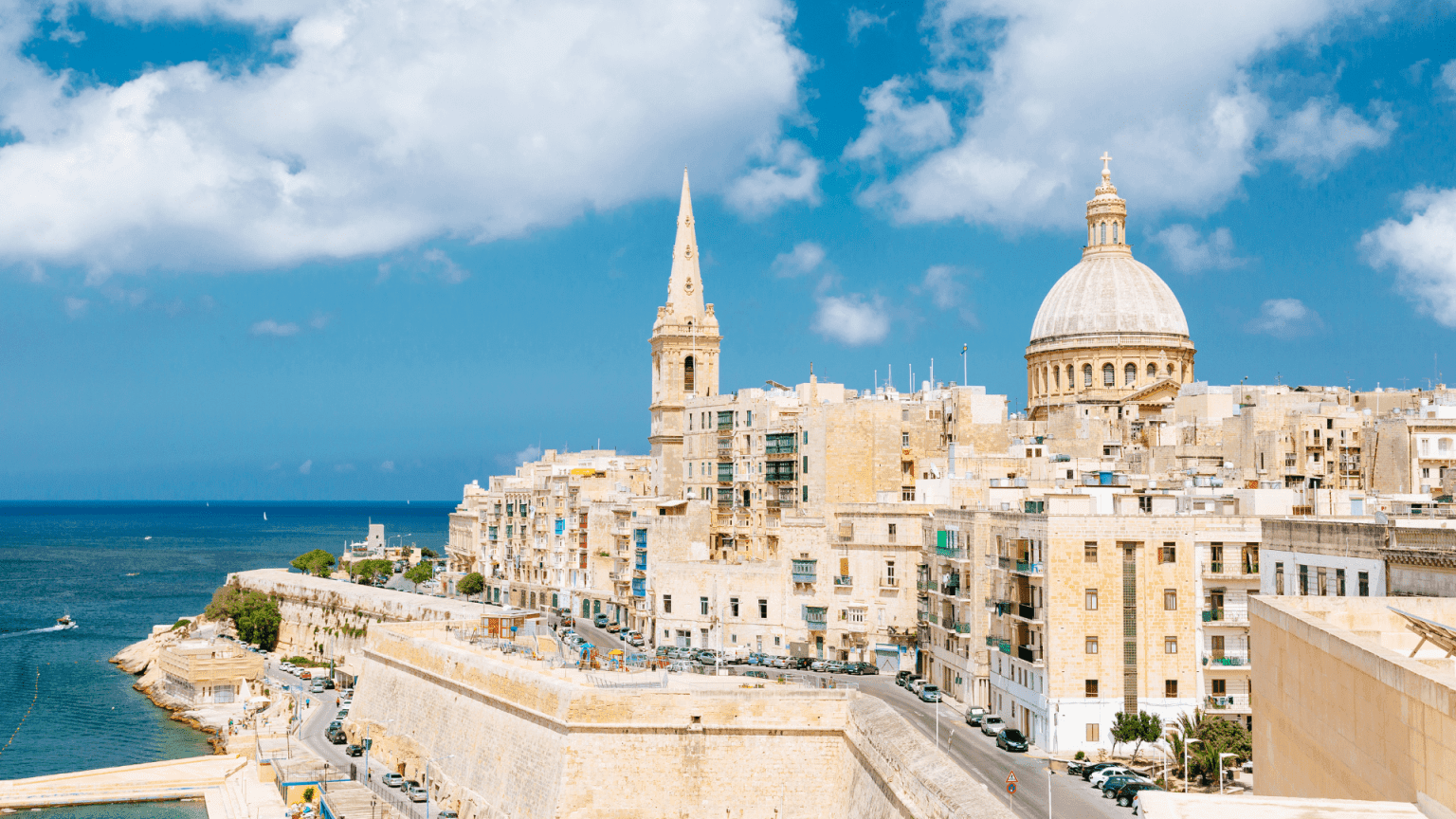
Heritage lives not where it is displayed,
but where it is carried.
And Malta… carried it.