The Soul of Greece
The Lost Light of the Acropolis
Between the mountains of Attica and the shimmering Aegean Sea, where marble meets sunlight and history whispers beneath every stone, stands Greece — Arḍ Al-Ḥikmah wa Al-Nūr, the Land of Wisdom and Light.
Once a crossroads of civilizations, it became a land that tasted the fragrance of Islam, carried by the winds of prophecy and fulfilled through the vision of destiny.
Here, beneath the shadow of the Acropolis, the adhan once echoed for nearly four centuries — a melody of unity, justice, and remembrance.
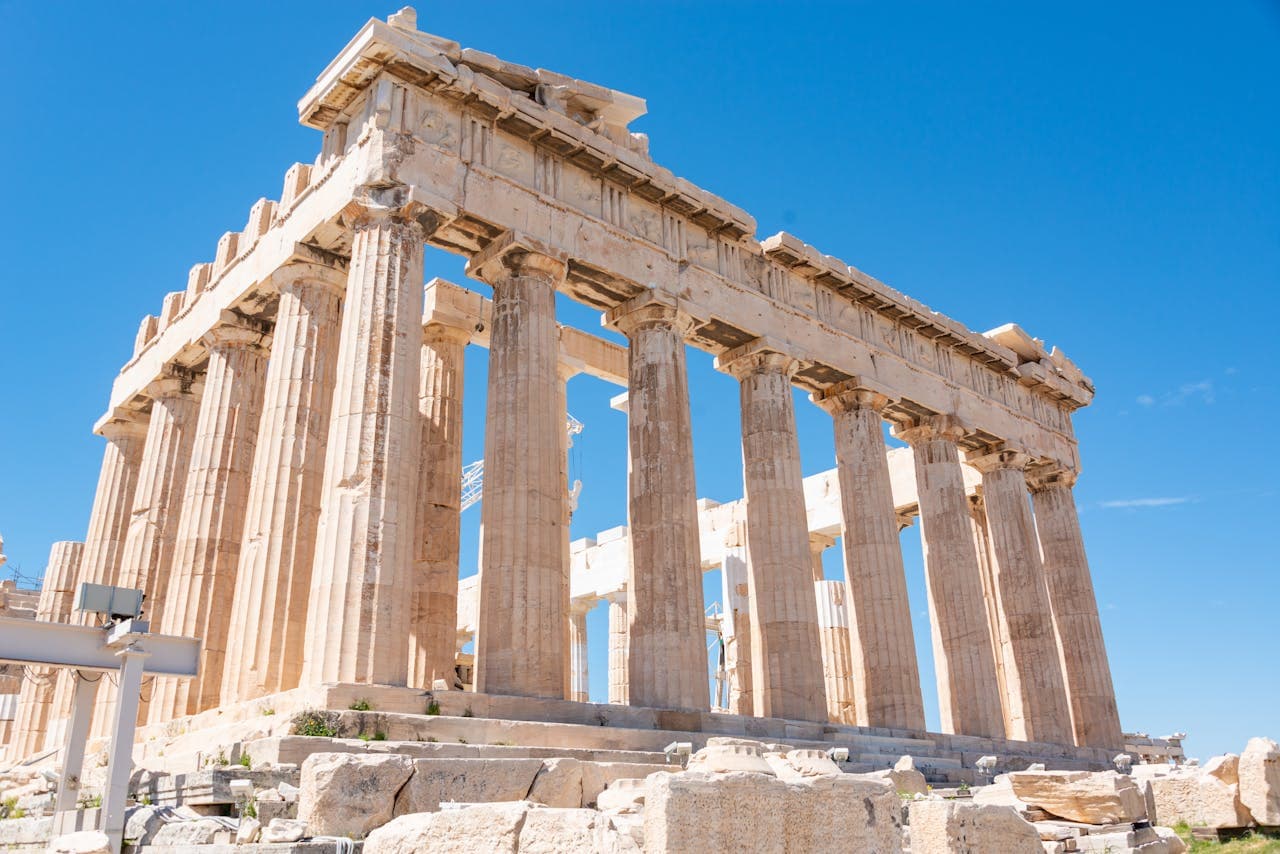
The Prophecy Fulfilled – The Banner of Al-Fatih
Centuries before its time, the Beloved Prophet ﷺ foretold:
“Verily, you shall conquer Constantinople. What a blessed commander is its commander, and what a blessed army is that army.”That prophecy found its fulfillment in Sheikh Sultan Muhammad Al-Fatih (May Allah be pleased with him) — the youth whose heart was illuminated by Divine Light and whose sword was guided by wisdom. At only twenty-one years old, he opened Constantinople, transforming it from the Byzantine citadel of division into the radiant heart of Islam — Istanbul Al-Munawwarah.
From there, Al-Fatih’s vision extended westward — to the ancient lands of Greece. In 1458, he entered Athens, greeted not as a destroyer but as a liberator. He ordered that no church be desecrated, that scholars and families be protected, and that mosques be established as symbols of faith’s rebirth on European soil.
The Acropolis, once the temple of pagan worship, became a Masjid of Unity, where believers from every corner of the Ummah prayed toward the Qiblah — a place of tawheed overlooking the sea of polytheism. For nearly four hundred years, the Adhan echoed from the heights of the Parthenon, transforming it into a sanctuary of peace under the Divine command.
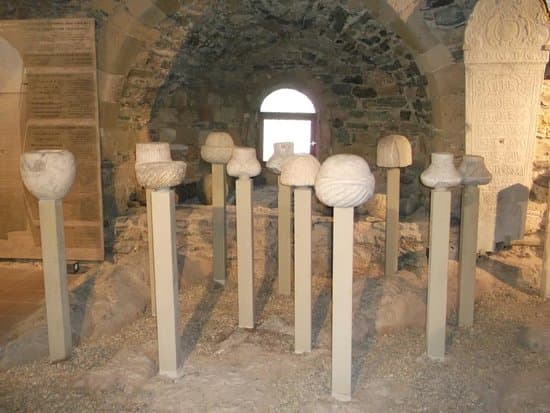
The Madrasah of Athens – The Tree of Knowledge and the Tree of Sorrow
Within the heart of Athens stood the Ottoman Madrasa of the Qur’an, established in 1721, where scholars gathered beneath a great plane tree — known as Shajarat Al-‘Ilm wa Al-Hikmah, the Tree of Knowledge.
There, students studied Tafsir, Hadith, Logic, and Fiqh, illuminating the city that once taught philosophy with the Divine wisdom of Revelation.
Yet, when the light of Islam was dimmed by rebellion and empire’s fall, the Madrasa was turned into a prison — its sacred tree became a gallows. Still, even as men forgot its sanctity, the earth beneath remembered the verses recited there. Every leaf that grows from that soil whispers: “Knowledge may be veiled, but it is never lost.”
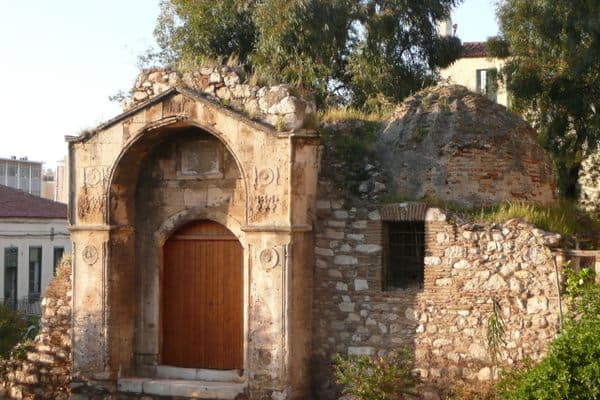
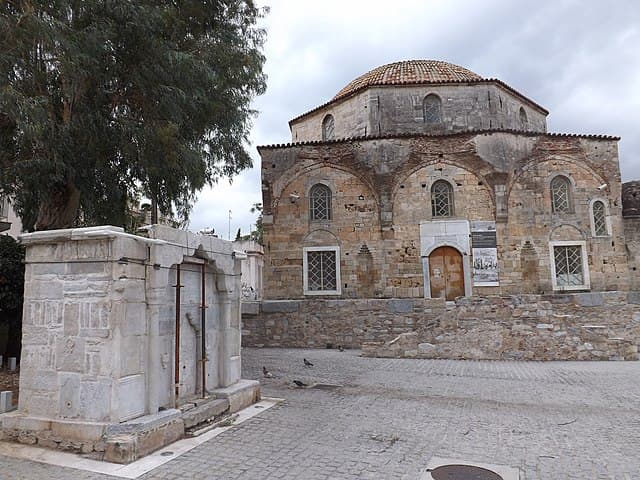
The Mosques of the Peninsula – The Footprints of Al-Fatih
From Athens to Chalkida, from Nafplio to Corinth, the traces of the Ottoman Ummah still remain like pearls scattered upon the land. The Emir Zade Mosque of Chalkida, dating to 1458, still preserves its Mihrab, engraved with Qur’anic inscriptions that proclaim:
“Enter here in peace — by the Mercy of Allah.”
The Karababa Castle, overlooking the straits of Euripos, holds within its stones the graves of the Shuhada — the warriors of Allah who fell defending faith in this ancient Hellenic land.
In Nafplio, the Trianon Mosque and the Agha Pasha Mosque still stand in silence — relics of prayer that once sanctified the seaside air. Each dome, though weathered, remains a testament that Islam once shaped the rhythm of this nation’s dawns and dusks.
The Scholars of Greek Islam – The Carriers of Wisdom
Throughout Greece’s Islamic centuries, knowledge flowed freely between Athens, Istanbul, and Sarajevo. Among those who illuminated its madrasas and courts were:
- Sheikh Sheikh Yusuf Efendi of Nafplio (May Allah be pleased with him) – teacher of Qur’an and Fiqh to the youth of Peloponnesus.
- Imam Mehmet Al-Athini (May Allah be pleased with him) – historian and jurist of the Athens Madrasa, chronicler of the city’s Islamic centuries.
- Sheikh Hamza Chalkidari (May Allah be pleased with him) – author of “Anwar Al-Rum,” on the spread of Islam in Byzantine lands.
- Sheikh Evliya Çelebi (May Allah be pleased with him) – whose travel writings preserved the memory of eleven mosques in Chalkida and dozens in Athens and Nafplio.
These men and women were not conquerors of land, but of ignorance — their swords were pens, their victories were enlightenment.
The Ottoman Light – Islam in Greece’s Heart
Under the Ottomans, Greece became part of the great Mediterranean tapestry of Islamic civilization.
Mosques crowned the hills of Athens, and minarets rose in Chalkida and Nafplio.
Faith was interwoven with philosophy; architecture reflected tawheed, and mercy was the law of governance.
The Acropolis Mosque, though later veiled in ruins, once stood as a symbol of Islam’s presence within the very birthplace of Western thought — as if to proclaim:
“ The Light of Allah shines wherever He wills.”
The Heritage Alive
Today, the spirit of Islam in Greece breathes quietly but steadily.
The Grand Mosque of Athens, inaugurated after more than a century without one, once again echoes with the Adhan — a return of the Divine call.
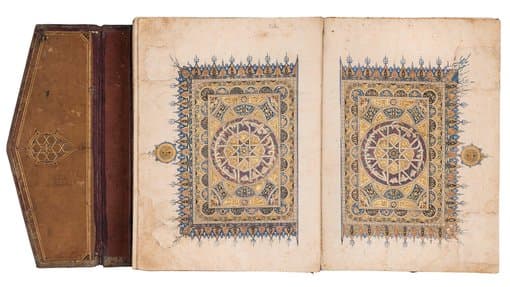
The Benaki Islamic Art Museum, supported by the Greek state, preserves manuscripts, Qur’anic scripts, and artifacts of Ottoman Athens — fragments of a living memory.
In the alleys of Monastiraki and Plaka, one still finds the faint outlines of Al-Fatih’s mosques and madrasas — the scent of the old bazaars, the echoes of “Allahu Akbar” carried by the sea breeze. The light of the Ummah was never extinguished — it was only veiled, waiting for hearts to rediscover it.
“Say, ˹O Prophet,˺ ‘Travel throughout the land and see how He originated the creation, then Allah will bring it into being one more time. Surely Allah is Most Capable of everything.’” Surah Al-‘Ankabut (29:20)
The Journey of Remembrance
Through Silatu Arrahim Journeys, the Ummah returns to the heart of ancient Greece — to witness not the ruins of a fallen empire, but the eternal message of unity and Divine artistry.
From the minarets of Nafplio to the once-blessed halls of the Acropolis, this journey revives a forgotten truth:
that Islam’s presence in Europe was not an interruption of history, but it's enlightenment.
This is not a voyage of the eyes — it is a pilgrimage of the heart.
“ Indeed, the friends of Allah shall have no fear, nor shall they grieve.” Surah Yunus (10:62)
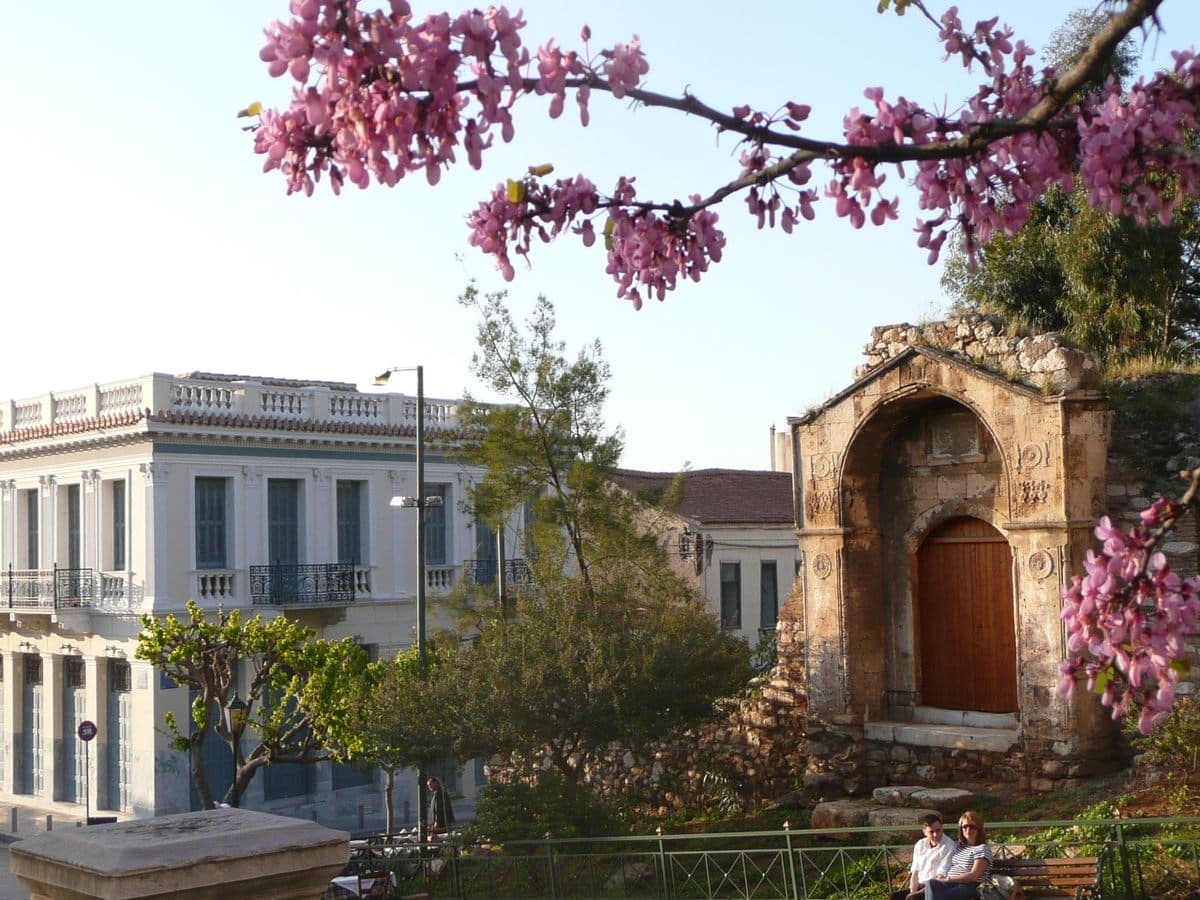
Heritage Alive
Heritage is not something of the past, but a living servant of the Divine…
Crossing Time, Space, and Place — guided by the Divine.
The Past, Presence, and Future are all One United.
The actions of today’s presence are the heritage of tomorrow.
The Crescent Upon the Acropolis
O Yūnān, cradle of seas and scriptures of stone,
where islands bloom like scattered tasbīḥ beads upon azure prayer mats,
where wind, olive, and minaret once spoke the same language—
“Allah is nearer than your jugular vein.”
Here, Islam did not arrive as thunder,
but as a tide of scholarship, trade, and remembrance.
The traveler came before the warrior,
the mu’adhin before the ruler,
and faith before the fortress.
اللَّهُ نُورُ السَّمَاوَاتِ وَالْأَرْضِ
“Allah is the Light of the heavens and the earth…” Surah An-Nūr 24:35
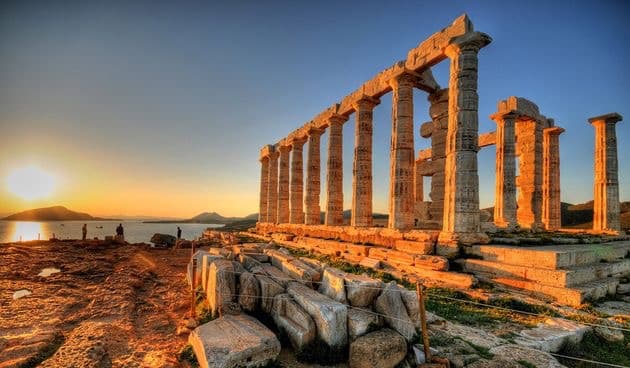
O Athīna — city of stone, philosophy, and prophets of reason,
when the Qur’an met your marbled hills,
the sky did not tighten—
it expanded.
Before time called you “capital of Europe,”
you were Athens of the crescent,
where the call to prayer once rose
from the crown of the Acropolis itself—
the Acropolis Mosque, guardian of dawn,
built not to erase history,
but to whisper tawḥīd into its columns.
وَاللَّهُ يَدْعُو إِلَىٰ دَارِ السَّلَامِ
“And Allah invites to the Home of Peace…” Surah Yūnus 10:25
O Athens,
your Parthenon saw pilgrims become scholars,
your marbles heard sajdah before sunrise,
and from your heights, the mu’adhin once declared
that God is Greater than empire, philosophy, and time.
Below the sacred rock,
the madāris (madrassas) of Athens awakened minds—
not merely to memorize,
but to understand, refine, and serve.
Children of Balkan lands, Anatolia, and the Aegean
gathered at its circles of knowledge,
where fiqh met mathematics,
and adab met astronomy.
In the city’s veins, mosques blossomed like stars:
The Fethiye Mosque — witness of victories, humility, and remembrance
Tzistarakis Mosque — where marketplaces heard dhikr between haggling
Mosques of Plaka, Monastiraki, and the Agora’s shadows —
where traders and travelers paused to pray,
washing their hearts as they washed their hands
And outside Athens, like protective constellations:
Mosques in Elefsina, Thebes, Attica’s plains, and coastal forts,
where sailors and soldiers both bowed toward Makkah,
proving that Islam reached Greece not just by land, but by soul.
الَّذِينَ آمَنُوا وَتَطْمَئِنُّ قُلُوبُهُمْ بِذِكْرِ اللَّهِ أَلَا بِذِكْرِ اللَّهِ تَطْمَئِنُّ الْقُلُوبُ
“Those who believe and whose hearts find peace in the remembrance of Allah. Truly, in the remembrance of Allah do hearts find rest.” Surah Ar-Ra‘d 13:28
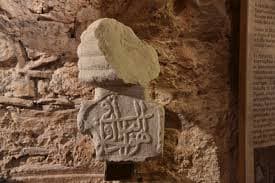
O Athens, you were not a footnote in Islamic history—
you were a minbar between civilizations,
where revelation greeted philosophy,
and reason learned humility before the Divine.
From the Acropolis height to the whispering madrasa halls,
your stones once carried oceans of prayers,
your arches memorized verses,
your souks carried charity in the clink of coins,
and your night sky witnessed lamps lit for study, not vanity.
Empires later scrubbed your mihrabs,
but they could not silence the echo.
For a mosque removed from stone
is rebuilt in memory—
and memory belongs to Allah.
فَإِنَّهَا لَا تَعْمَى الْأَبْصَارُ وَلَٰكِن تَعْمَى الْقُلُوبُ الَّتِي فِي الصُّدُورِ
“Indeed, it is not the eyes that are blind, but the hearts within the chests.” Surah Al-Hajj 22:46
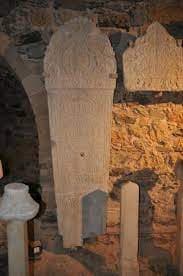
O Athens…
You did not fall from the Ummah.
You fell into its silence—
waiting for hearts that remember, not conquerors who claim.
Your heritage is not lost.
It is in suspension—
like dust before the next dawn,
like an amen waiting to be spoken.
From the marble lips of the Parthenon, a whisper remains:
La ilaha illa Allah was once recited here.
From the courtyards of forgotten madrasas,
a chalkboard still remembers its first verse.
From minarets erased by the hand of time,
a shadow remains at sunset—
leaning toward Makkah.
O Athens,
you were not Islamized by the sword,
you were illumined by Presence.
Your stones heard the Qur’an,
your winds carried salawāt,
your scholars debated under olive trees,
and your Acropolis bowed—not in weakness,
but in witness.
So rise again in remembrance,
for your past is not behind you—
it is beneath you, waiting to rise with you.
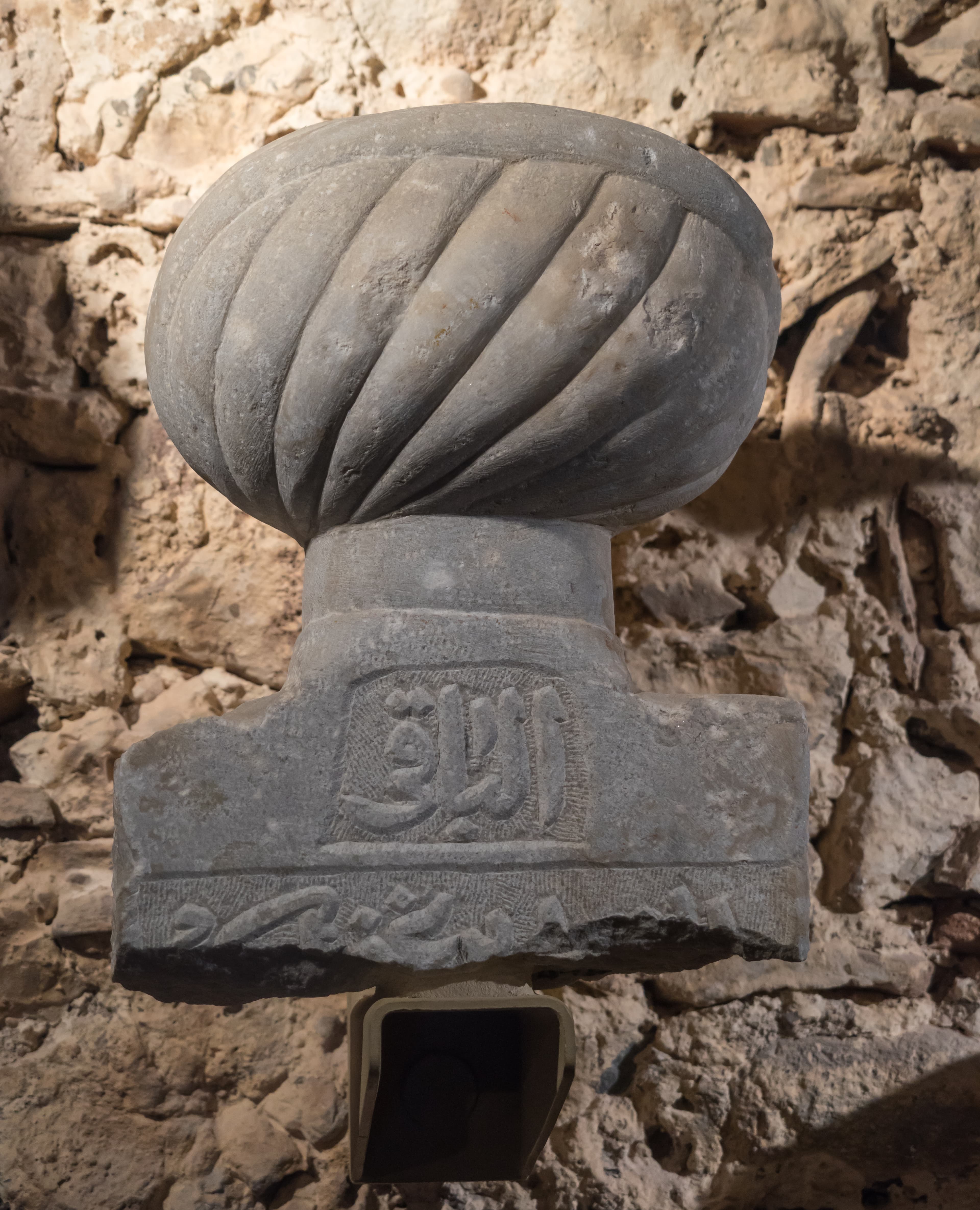
O Allah, Lord of Athens and Makkah,
Revive the memory, not the conflict.
Restore the soul, not the ruins.
Let the youth know that Islam once walked here without apology,
and let Greece stand again in the constellation of sacred history—
not separate from the Ummah, but interwoven within it.