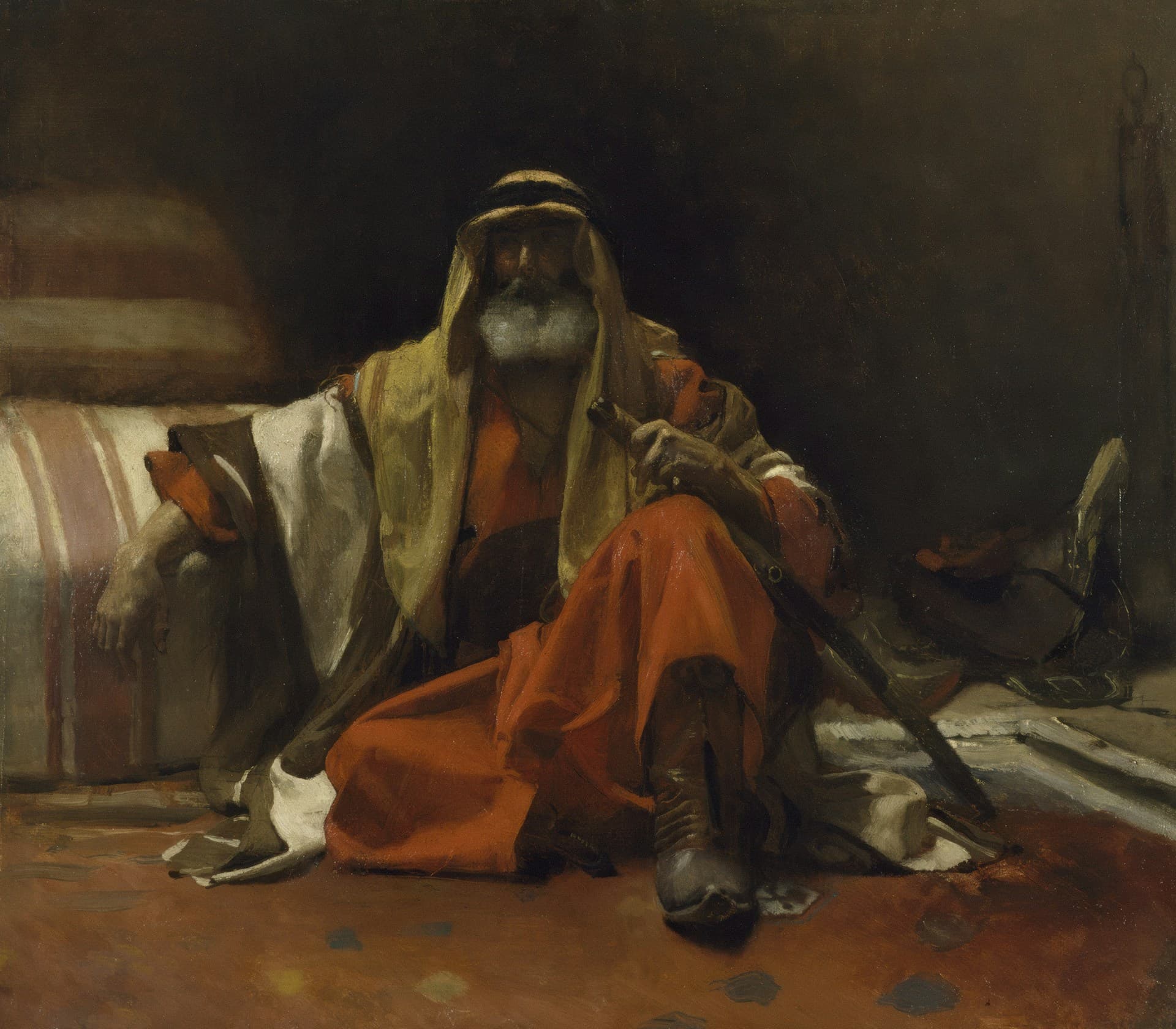
The Islamic Heritage of Eastern Europe
The Hidden Crescent of the Danube
At the heart of Europe, where rivers weave like veins of silver through emerald hills, the ancient Danube carries more than water — it carries the memory of Islam’s forgotten breath. This region, now known as Hungary, Slovakia, Austria, and the Czech Republic, once echoed with the call of the Adhan, and its soil bore witness to the courage, scholarship, and sanctity of men of Allah whose names are still written upon the stones.
Here, Islam did not come as a shadow, but as a light — a reminder that La ilaha illa Allah transcends geography and empire.
Before the Dawn – The Seeds Before the Ottomans
Long before the banners of the Ottomans reached Central Europe, the light of Islam had already touched these lands through merchants, travelers, and scholars. As early as the 10th century, Sheikh Abu Hamid Al-Gharnati (May Allah be pleased with him) — the Andalusian explorer — wrote of Muslim villages in the Carpathian Basin and spoke of believers known as Böszörmény in Hungary. He described their piety, their mosques, and their Qur’anic recitation echoing across the plains — a testament that the message of the Prophet ﷺ had already taken root in the heart of Europe.
By the 12th century, Yaqut Al-Hamawi (May Allah be pleased with him) recorded meeting Hungarian Muslim students in Aleppo studying Shari‘a and Arabic, showing that the sacred chain of knowledge already stretched between the Danube and Damascus.
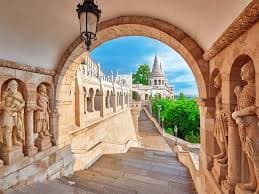
The Conquest of Hearts – The Era of Al-Fatih’s Legacy
The prophecy of the Messenger of Allah ﷺ —
“ You shall conquer Constantinople. What a blessed commander is its commander, and what a blessed army is that army.”
was fulfilled by Sheikh Sultan Muhammad Al-Fatih (May Allah be pleased with him), whose armies carried not just victory, but faith and civilization into Europe.
From the gates of Constantinople, the crescent expanded across the Balkans into the heart of Hungary, Slovakia, and beyond. Mosques rose beside cathedrals; the Qur’an was recited beside the Danube; and the Ummah became a living bridge between the East and the West.
Hungary – The Northern Light of Islam
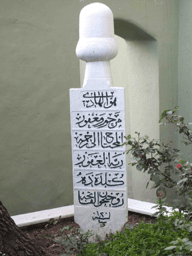
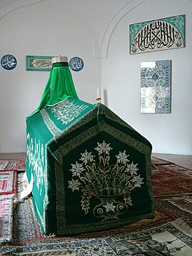
In Budapest, the memory of Islam is written in stone. Upon the rose-scented hill of Rózsadomb stands the Tomb of Sheikh Gül Baba (May Allah be pleased with him) — the northernmost Islamic shrine in the world. A saint, poet, and dervish of the Bektashi Order, he journeyed with Sultan Suleiman the Magnificent (May Allah be pleased with him) across Europe, spreading remembrance and unity.
Gül Baba — “The Father of Roses” — symbolizes the perfume of faith carried into Europe. His maqam remains a place of serenity where believers still whisper Ya Allah beneath the shade of roses that never wither.
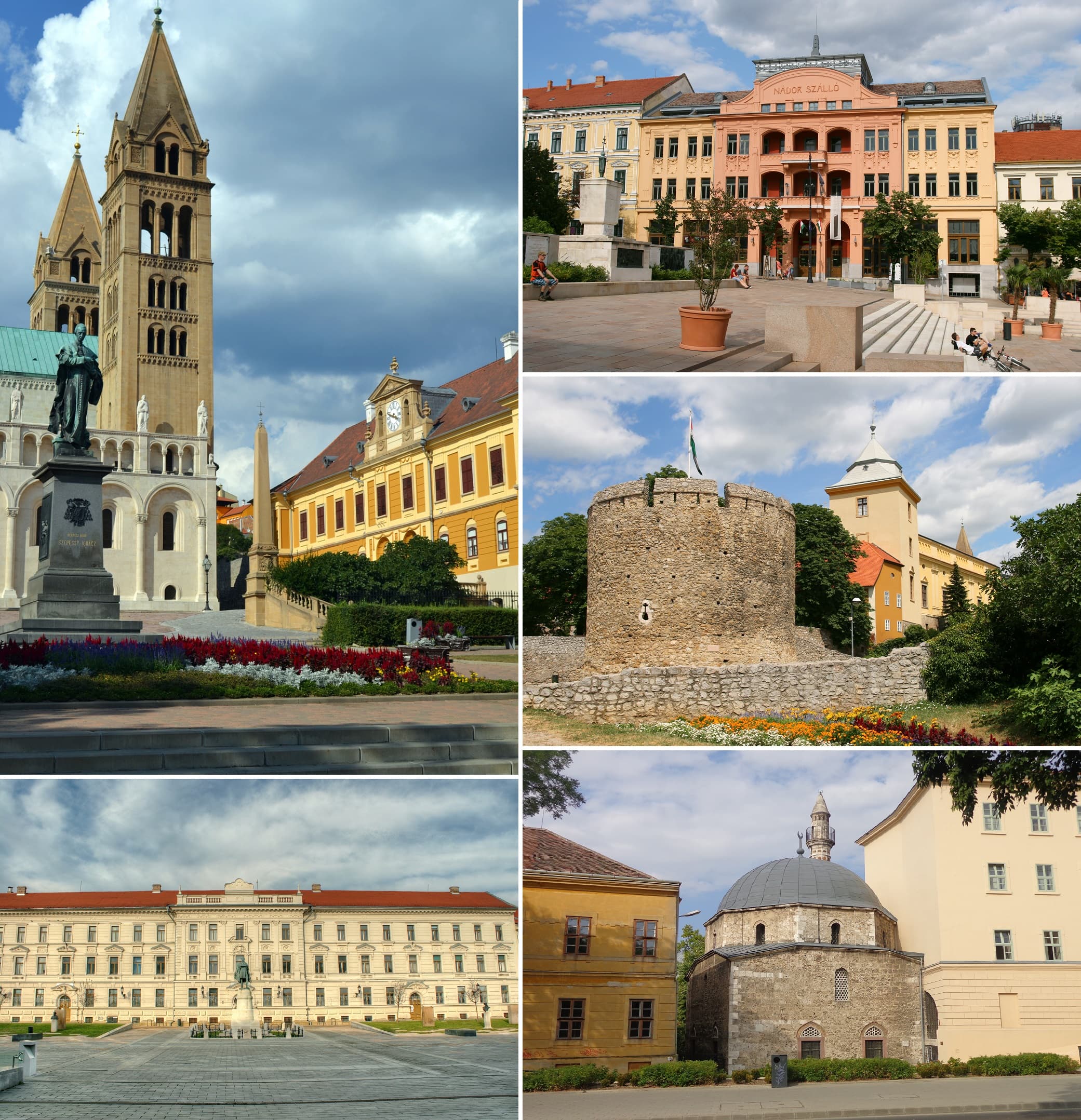
In Pécs, the domes of the Mosque of Pasha Qasim the Victorious, the Yakovalı Hasan Paşa Mosque, and the Tomb of Idris Baba (May Allah be pleased with him) stand as witnesses of a century of light when the Qur’an guided the hearts of the people. Pécs became known as the “Pearl of Islam in the North,” where madrasas thrived, and Sheikh Ibrahim Peçevi (May Allah be pleased with him) — one of the greatest Ottoman chroniclers — recorded the spiritual and political pulse of an empire.
Slovakia – Between the Minaret and the Cross
When the waves of Ottoman expansion reached southern Slovakia, Islam’s presence touched towns like Štúrovo and Komárno.
Though few traces remain, the foundations of mosques and caravanserais beneath the soil still tell their story.
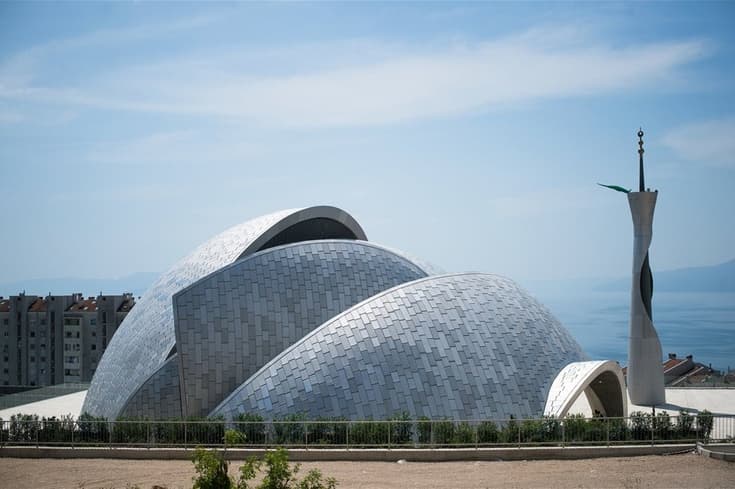
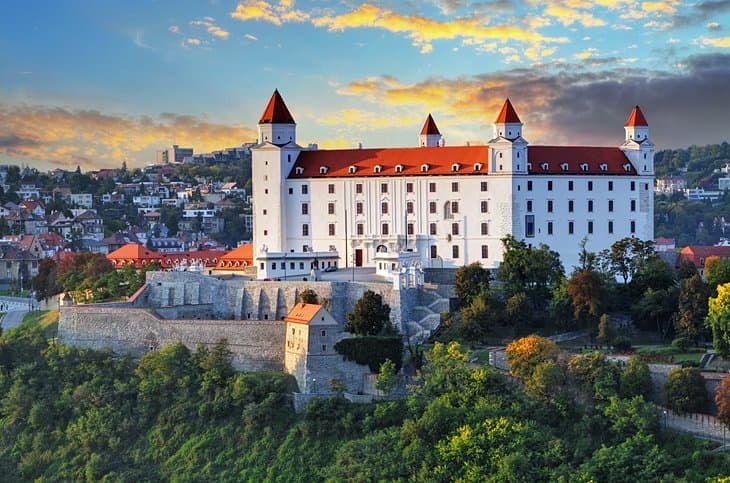
Today, the Islamic Center of Córdoba in Bratislava carries this ancient legacy forward — a modern oasis of prayer where the light of the Qur’an once again glows in a land that had forgotten its own spiritual echo.
Austria – The Land of Two Legacies
In Vienna, the capital once besieged by Ottoman armies, the story is not merely one of war, but of wonder.
Even as history remembers the battles, it forgets the respect, the treaties, and the exchanges of scholars and mystics that followed.
During the reign of Sheikh Sultan Suleiman Al-Qanuni (May Allah be pleased with him) and later under Sultan Selim II (May Allah be pleased with him), Austria became the meeting point of two worlds — one of faith, the other of philosophy.
Vienna’s archives still contain Ottoman manuscripts, Qur’anic calligraphy, and correspondences between Muslim scholars and European thinkers — a hidden chapter of shared enlightenment.
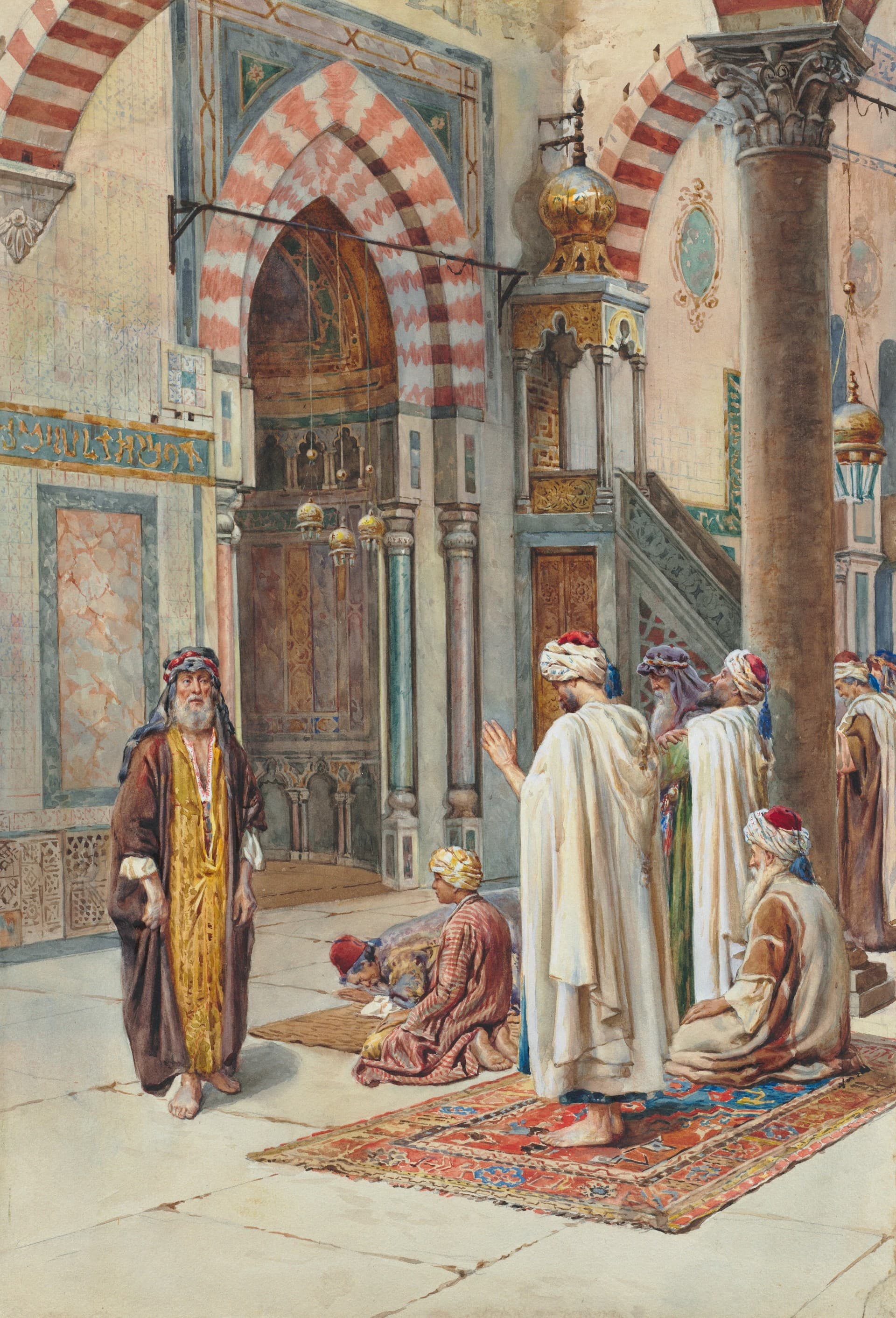
The Czech Lands – The Crescent Beyond the Alps
In Prague, the city of golden spires, the first knowledge of Islam entered through Ibrahim Ibn Yaqub Al-Isra’ili Al-Turtushi (May Allah be pleased with him) — a traveler from Muslim Spain who visited Bohemia in the 10th century.
He recorded the customs, markets, and governance of Central Europe — his accounts later becoming among the first Islamic descriptions of the region.
During the Austro-Hungarian era, Muslims from Bosnia and the Ottoman Empire settled in Prague, Brno, and Karlovy Vary.
By 1912, Islam was officially recognized as a “state religion” — a moment of great symbolism in the heart of Europe.
Today, mosques in Prague and Brno continue to honor this enduring heritage — places where Qur’anic recitation once again echoes among Gothic domes.
The Scholars and Awliya of Eastern Europe
The lands of Eastern Europe nurtured countless saints, scholars, and seekers whose legacy shaped the bridge between the Islamic East and Christian West:
- Sheikh Gül Baba (May Allah be pleased with him) – Dervish and poet, patron saint of Budapest.
- Sheikh Idris Baba (May Allah be pleased with him) – Mystic and healer of Pécs.
- Sheikh Ibrahim Peçevi (May Allah be pleased with him) – Ottoman historian and chronicler of the Danube lands.
- Sheikh Yusuf Efendi of Bratislava (May Allah be pleased with him) – scholar of Fiqh and teacher of the Central Danube region.
- Sheikh Ahmed Peçevî (May Allah be pleased with him) – jurist, poet, and founder of Sufi circles in Buda.
Their memory is not confined to graves or ruins — it flows in the river, it breathes in the air, it lives in every soul who seeks Divine beauty amidst modernity’s noise.
A Heritage Renewed
Today, Muslims once again walk the streets of Budapest, Bratislava, Vienna, and Prague — no longer as strangers, but as inheritors of a forgotten trust.
New mosques rise, the Qur’an is taught, and the call of La ilaha illa Allah once again touches the Danube.
These lands are not foreign to Islam; they are part of its greater story — of unity, mercy, and remembrance.
“ Say, ˹O Prophet,˺ ‘Travel throughout the land and see how He originated the creation, then Allah will bring it into being one more time. Surely Allah is Most Capable of everything.’”
Surah Al-‘Ankabut (29:20)
The Journey of Remembrance
Through Silatu Arrahim Journeys, we invite the Ummah to rediscover this hidden chapter of their own story —
to stand at the maqam of Gül Baba,
to pray in the mosques of Pécs,
to walk along the Danube where scholars once recited dhikr,
and to revive the remembrance of Allah in the very heart of Europe.
This is not a journey of sightseeing — it is a pilgrimage of the soul.
“Indeed, the friends of Allah shall have no fear, nor shall they grieve.”
Surah Yunus (10:62)
Heritage Alive
Heritage is not something of the past, but a living servant of the Divine…
Crossing Time, Space, and Place — guided by the Divine.
The Past, Presence, and Future are all One United.
The actions of today’s presence are the heritage of tomorrow.
Epilogue of Eastern Europe — The Crescent Whispered by the Danube
O lands of the Danube… where rivers recite what books forgot, where forests guard secrets older than kingdoms, and where the wind still carries a hidden Allahu Akbar from a time when faith was a compass, not a footnote.
You are the unseen chapter of the Ummah — not its edge, but its heartbeat between East and West.
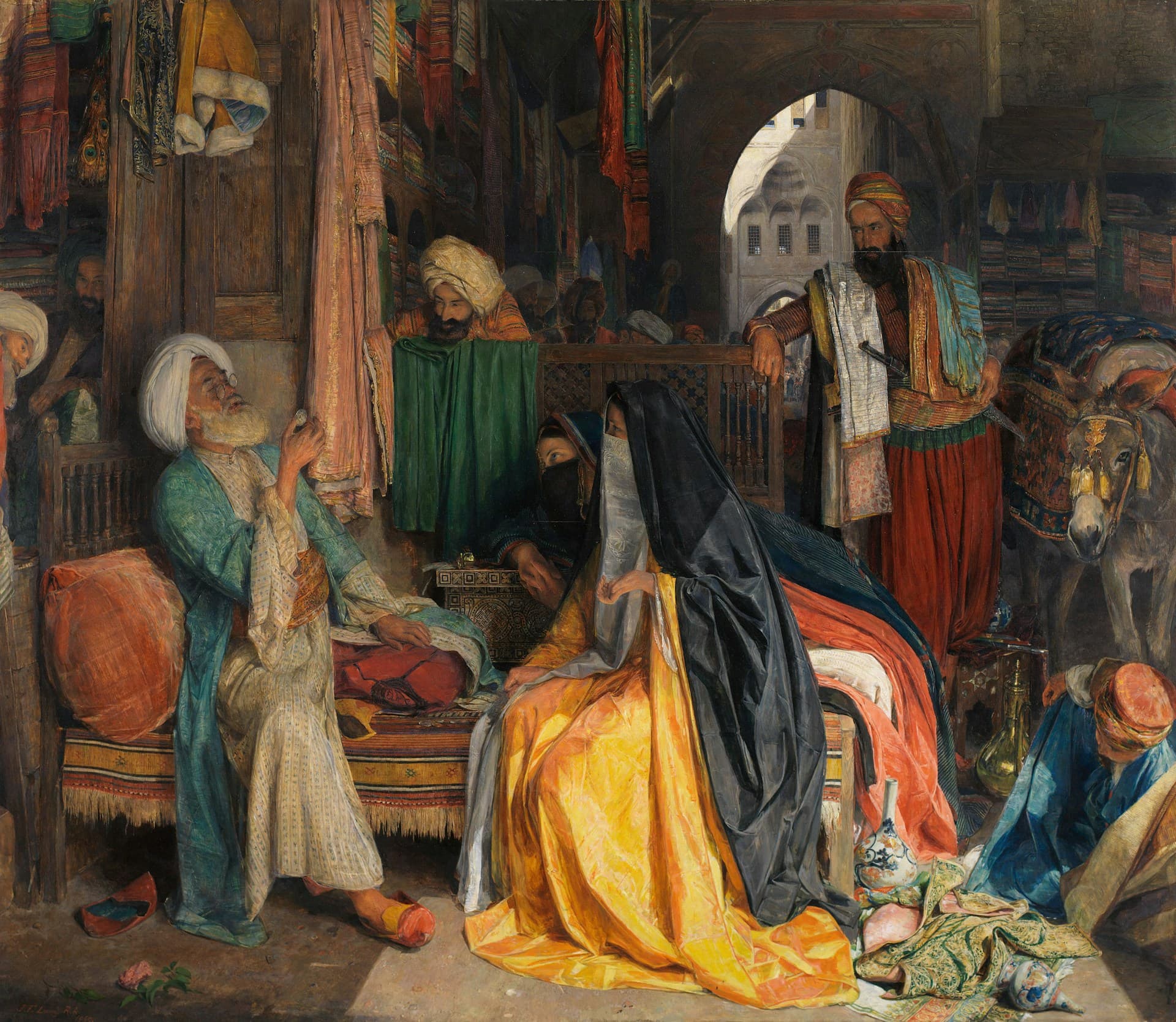
Before Armies — Came Merchants of God
Between the towers of Vienna and the valleys of Hungary, between the streets of Prague and the plains of Slovakia, Islam arrived not as a guest, but as a promise already written.
Long before banners crossed borders, faith crossed hearts.
Abu Hamid Al-Gharnati found Muslims here — villages praying in Hungarian tongue, hearts bowing toward the same Qiblah though oceans lay between them and Makkah.
Yaqut Al-Hamawi met Hungarian students in Aleppo, reciting Qur’an under Syrian lamps, carrying knowledge back to the Danube like jewels of light.
Islam did not arrive here — Islam was recognized here.
The Era of Destiny
When Muhammad Al-Fatih unlocked the gates of prophecy, his footsteps echoed beyond Constantinople — into the very soul of Europe.
Not conquerors of land, but cultivators of meaning, they planted mosques beside churches and made riverbanks classrooms of remembrance.
The crescent rose not to erase — but to complete.
Hungary — The Rose of Remembrance
On the hill of perfumes lies Gül Baba, whose heart was a garden for every traveler, whose name still blooms in Budapest whenever roses open in humble praise.
In Pécs, domes still testify — that once the Qur’an mingled with morning mist, that knowledge drew seekers like rivers draw ships.
And Idris Baba, healer of hearts, still cures unseen wounds in souls that pass his maqam without knowing his name.
Slovakia — Echo Beneath the Soil
The minarets may be hidden now, but their foundations have not forgotten the sky.
In Bratislava, where memory once dimmed, a new lantern rises again — so the Qur’an may remember itself here, as it once did when caravans crossed the Danube.
Austria — Where Empires Conversed
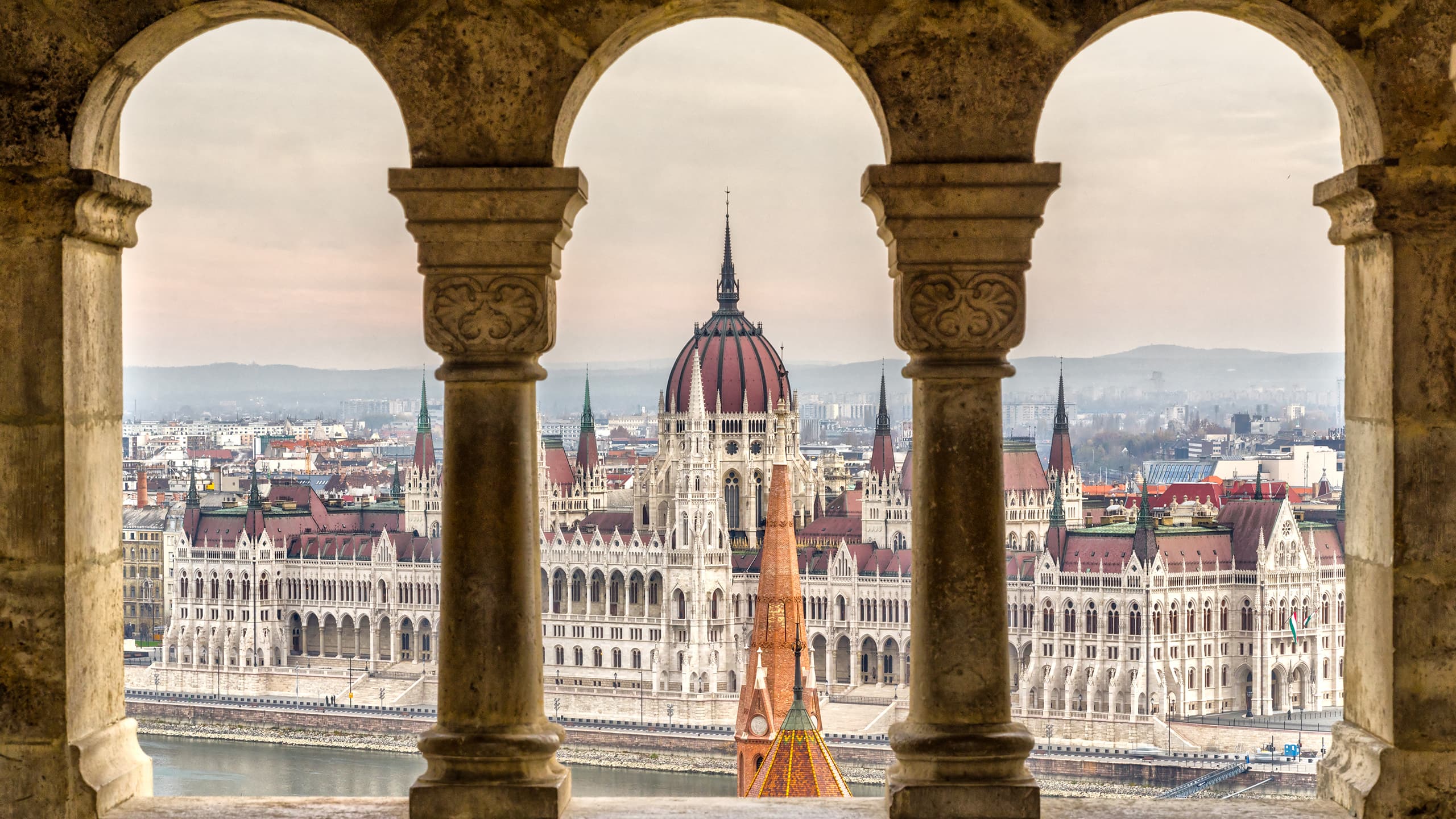
Vienna remembers war, but its archives remember dialogue.
Where diplomats met saints, scholars met philosophers, and two civilizations realized that God writes harmony through contrast.
Ottoman ink still sleeps in its libraries — calligraphy curled like unspoken prayers, waiting for eyes that read with faith, not just curiosity.
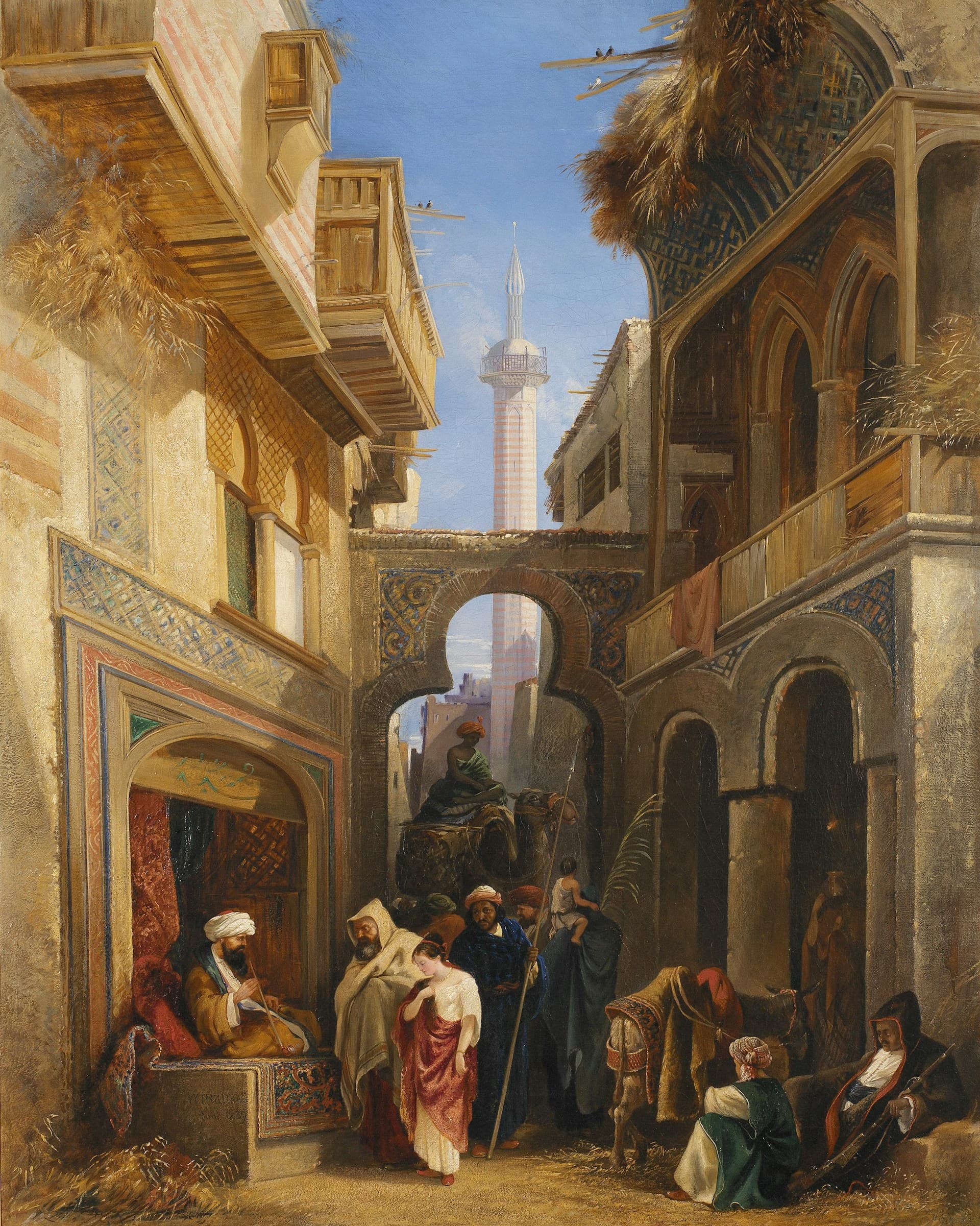
The Czech Lands — First Seen by a Muslim Gaze
Ibrahim Ibn Yaqub of Al-Andalus walked through Bohemia when Europe barely knew itself — and he wrote, observed, witnessed, preserved.
Later, when Muslim hearts settled in Prague and Brno, Islam was not foreign — it was remembered again.
In 1912, the land testified anew: Islam was honored officially, a whisper to the world that the crescent never vanished from Europe — it simply moved quietly, like dawn.
O Danube — Silver Spine of Remembrance
You carried more than trade ships — you carried dhikr from shore to shore.
Bismillah in Ottoman ports. SubhanAllah in Hungarian nights. Alhamdulillah whispered by Slovak hills. Allahu Akbar echoing in Prague’s libraries.
If rivers could pray, you would lead sajdah.
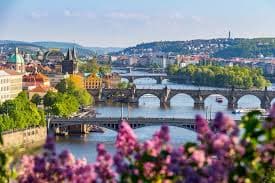
Poetic Seal — The Hidden Crescent of the North
O Eastern Europe… You were never without Islam — you were waiting for recognition.
When the Danube flows, it whispers La ilaha illa Allah. When the wind crosses the Carpathians, it carries salawat without sound.
This land was not conquered by Islam — it was embraced by Islam.
The crescent did not fade… it was planted like a seed, waiting for hearts ready to bloom.