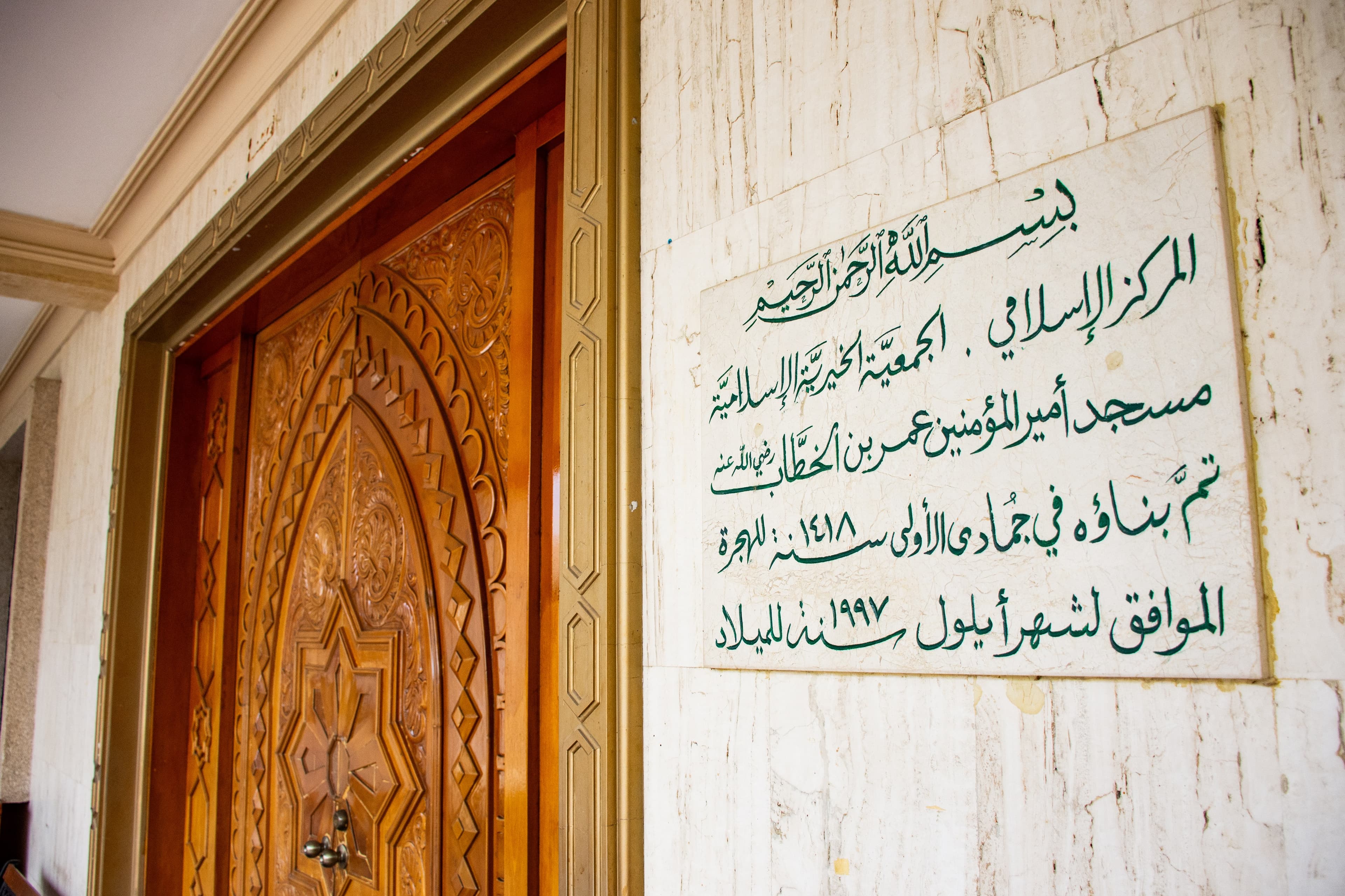
The Islamic Heritage of Colombia
The Soul of Colombia — The Bridge Between Oceans and the Guardians of Conscience
“From Andalusia to Cartagena — The Awakening of Islam and the Spirit of Solidarity in the Heart of the Americas”
In the western heart of the Atlantic, between the jungles of the Amazon and the turquoise waters of the Caribbean, lies Colombia — Ard Al-Wasl, the Land of Connection.
Here, history and faith converge; mountains rise like hands in supplication, and every breeze carries whispers of Andalus and Palestine.
This is not only a land of beauty — it is a land of conscience, where the echoes of the Qur’an and the cries for justice unite as one.
From Al-Andalus to the New World — The Hidden Voyage of the Faithful
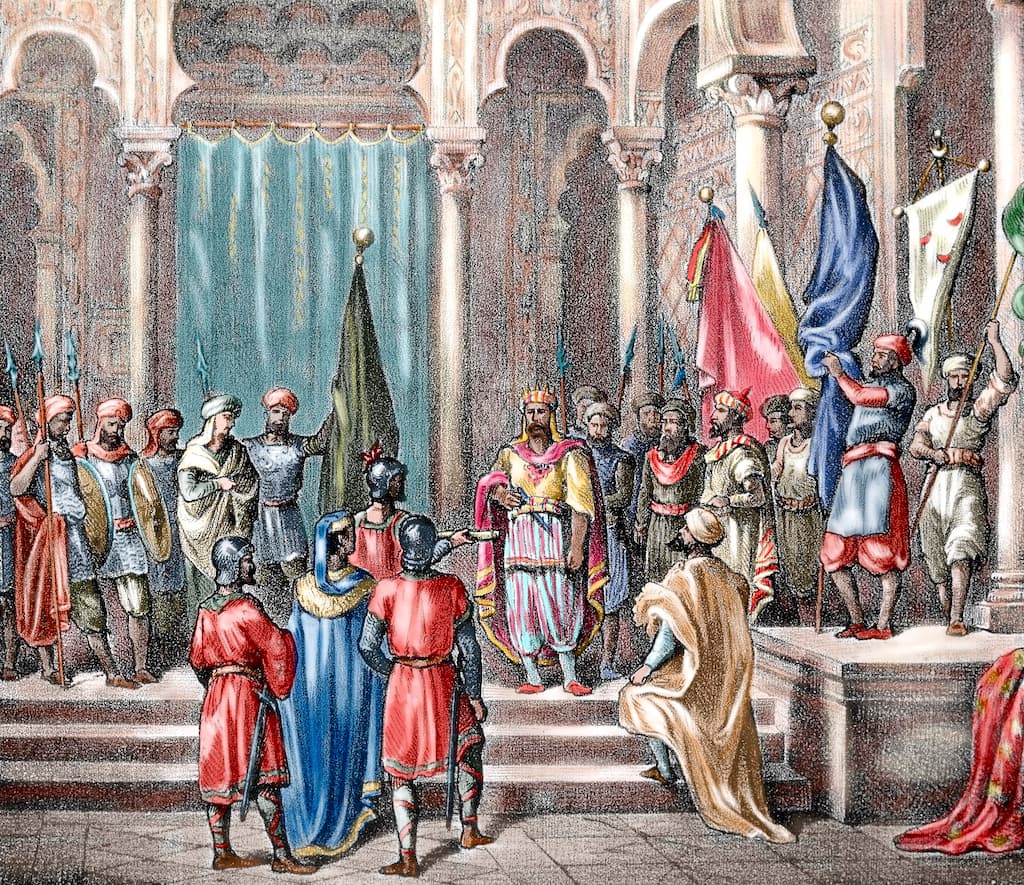
In the luminous age of The Caliphate of Cordoba, when knowledge and revelation guided the world, Muslim geographers such as Sheikh Al-Sharif Al-Idrisi (May Allah be pleased with him) traced the outlines of lands beyond the western horizon.
Their maps, drawn under the light of the Qur’an, revealed the vast Atlantic and its mysterious shores — long before the so-called “discovery” of the New World.
When Granada fell in 1492, countless Muslims fled the fires of persecution. From the harbors of Almeria, Malaga, and Tunis, their ships carried the last breath of Andalus toward the unseen horizon.
Among those exiles were navigators, poets, and scholars whose faith burned brighter than empire. Many of their descendants, veiled by history, reached the coasts of the Caribbean — their legacy preserved in the spirit of Colombia, where Andalus found its reflection in a new world.
The Chains That Carried Faith — The African Legacy
When the Atlantic slave trade scarred humanity, it also carried the hearts of believers.
From the shores of Senegal, Nigeria, Mali, and Guinea, thousands of Muslims — Hafiz, jurists, and Sufis — were torn from their homes and brought to Cartagena de Indias, Santa Marta, and Barranquilla.
Yet even in chains, they whispered La ilaha illa Allah. Their Qur’ans were hidden in memory, their prayers carved into the soil, their dhikr woven into the rhythm of drums and the melody of the sea.
These enslaved souls were not nameless victims — they were the bearers of light, the spiritual ancestors of a living Colombian Islam.
Their endurance birthed a legacy of faith, justice, and resistance that still pulses through Colombia’s veins.
The Ottoman and Palestinian Connection — The Light Returns
In the 19th century, as the Ottoman Caliphate waned, the lands of the Levant sent forth waves of emigrants — scholars, merchants, and seekers of refuge.
From Palestine, Lebanon, and Syria, noble families carried their Qur’ans, their manuscripts, and their love for the Prophet ﷺ across the sea.
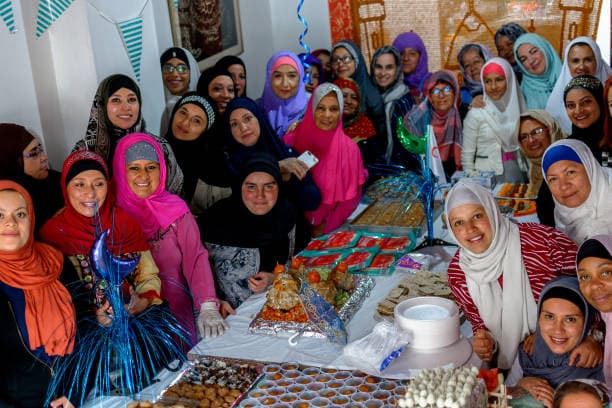
They arrived in Cartagena, Barranquilla, and Bogotá, where they planted the seeds of Islam anew.
Among them was Sheikh Sheikh Khalil Al-Khalidi (May Allah be pleased with him), who founded early gatherings of remembrance and education; and The Grand Waliyyatu Allah Aisha Al-Qadiriya (May Allah be pleased with her), who taught Qur’an and ethics to children of both Arab and Colombian lineage.
In their footsteps, mosques rose — not as monuments of power, but as sanctuaries of peace.
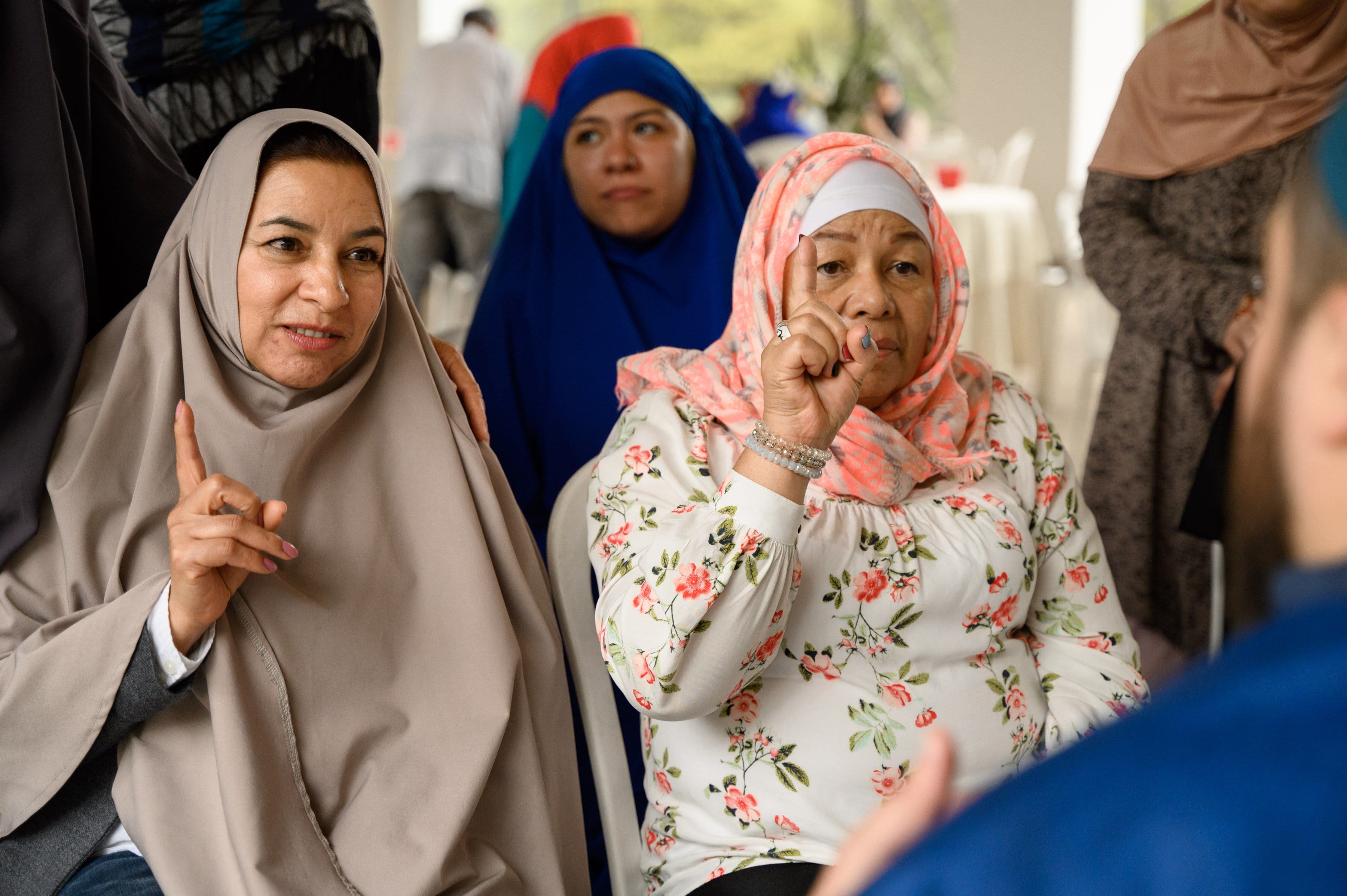
Colombia and the Spirit of Justice — The Voice for Palestine
While others turned away from the truth, Colombia stood firm.
From the days before the Gaza war, the Colombian nation and its leadership had long upheld the cause of justice for Palestine, recognizing the right of its people to freedom and dignity.
Decades before global attention turned toward Gaza, Colombian scholars, officials, and civil society voiced solidarity with Palestine — organizing interfaith dialogues, academic partnerships, and public acts of support.
This steadfast stance was not born of politics alone, but of moral clarity and spiritual kinship — for the Colombian soul understands the pain of oppression and the duty to stand with the oppressed.
During the tragedies of Gaza, Colombia became one of the loudest voices defending the Palestinian people — condemning aggression, calling for an end to siege, and mobilizing humanitarian support through global and interfaith channels.
“And never think of those martyred in the cause of Allah as dead. In fact, they are alive with their Lord, provided for, rejoicing in Allah’s bounty.”
Surah Āl ʿImrān (3:169–170)
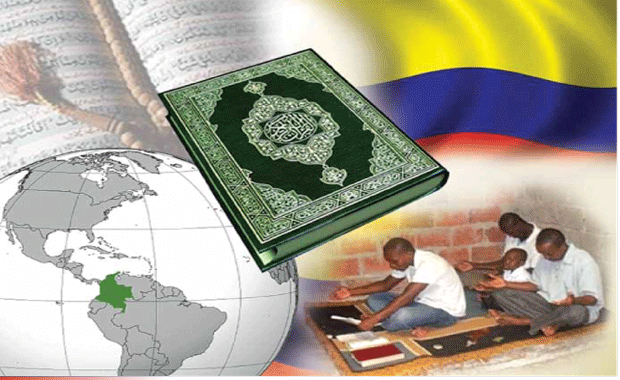
The Living Mosques of Colombia — From the Caribbean to the Andes
The spirit of Islam continues to shine through Colombia’s sacred architecture and its communities of faith:
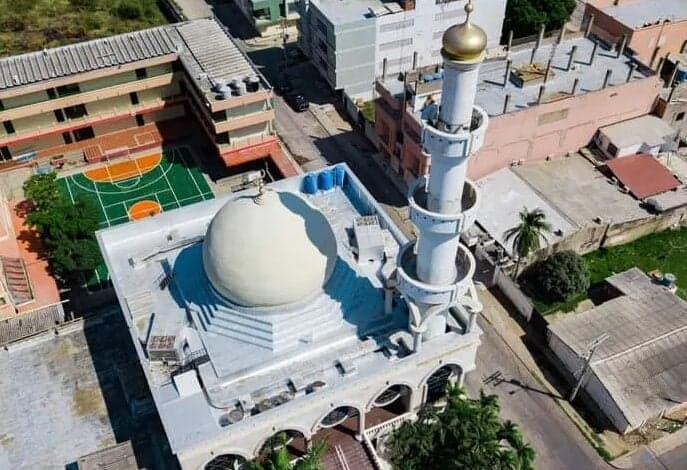
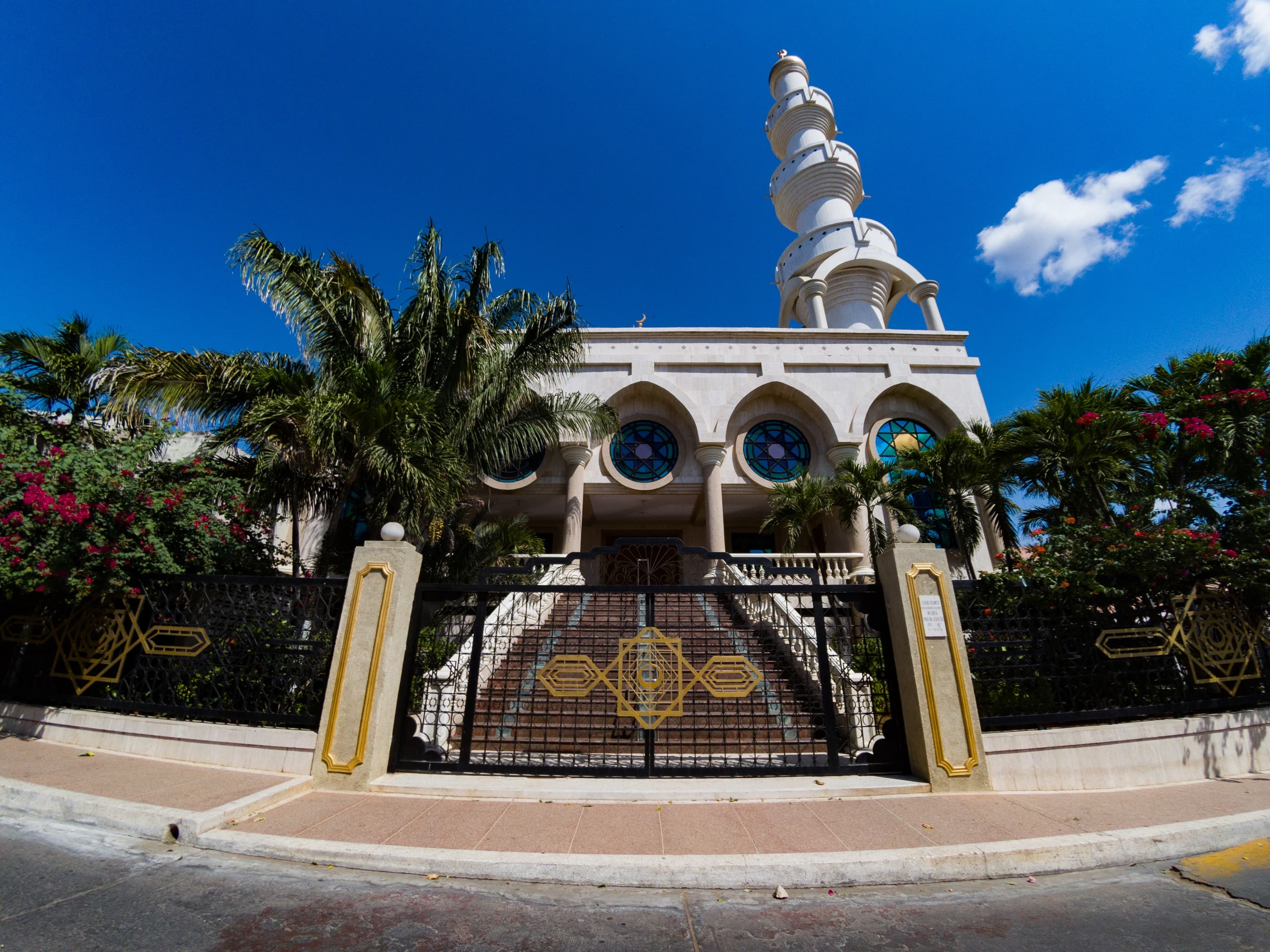
- The Great Mosque of Maicao (La Guajira) – the largest mosque in South America, modeled after the Prophet’s ﷺ Mosque in Madinah, a beacon of peace amid the Caribbean winds.
- The Islamic Cultural Center of Bogotá – the capital’s heart of learning, uniting Muslims and non-Muslims in understanding, dialogue, and remembrance.
- The Mosque of San Andrés Island – standing upon the ocean’s edge, echoing the unity of land and sea beneath Allah’s sky.
From the highlands of the Andes to the shores of the Caribbean, the Adhan once again graces the dawn.
The Qur’an, once whispered by Andalusian exiles and African captives, now flows openly in schools and madrasas across the nation.
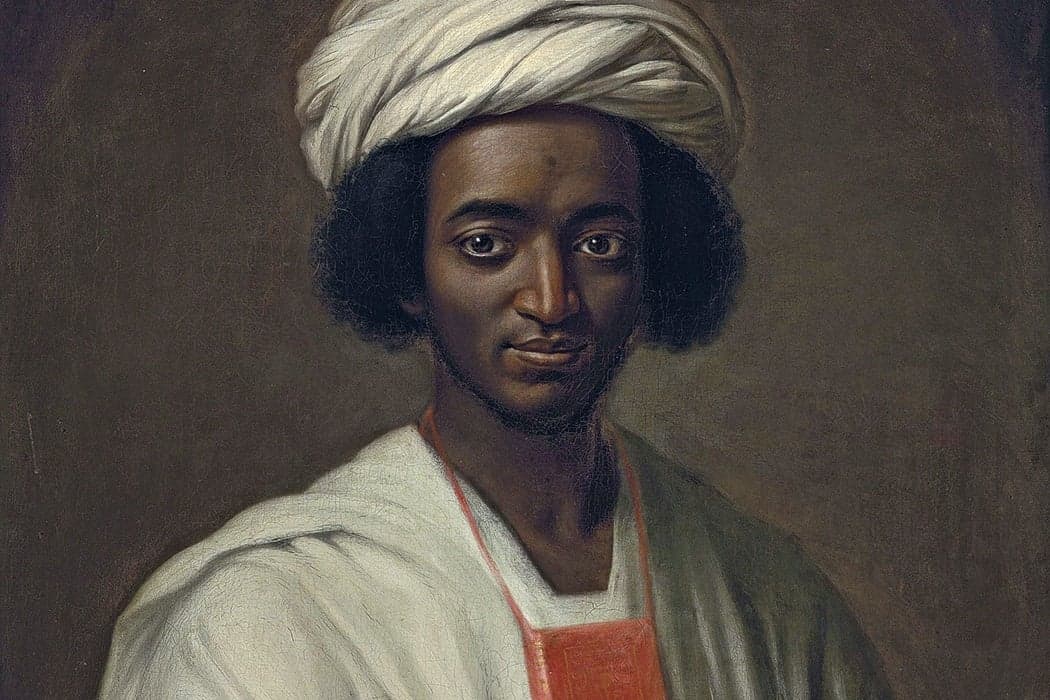
The Scholars and Awliya of Colombia
Colombia’s Islamic story is carried by noble souls whose names are written in Divine ink:
- Sheikh Al-Sharif Al-Idrisi (May Allah be pleased with him) – Andalusian geographer whose maps foretold the New World.
- Sheikh Bilal Muhammad (May Allah be pleased with him) – African imam of Cartagena who preserved Islam’s oral tradition through dhikr and rhythm.
- Sheikh Sheikh Khalil Al-Khalidi (May Allah be pleased with him) – founder of the first organized Muslim gatherings in Colombia.
- The Grand Waliyyatu Allah Aisha Al-Qadiriya (May Allah be pleased with her) – guardian of Qur’anic education and women’s learning.
- Sheikh Yusuf Al-Qudsī (May Allah be pleased with him) – Palestinian refugee and scholar who bridged Colombia’s faith with the Holy Land.
Their legacies are rivers of light connecting the Atlantic to Al-Quds, and their footsteps still guide Colombia’s growing Muslim community today.
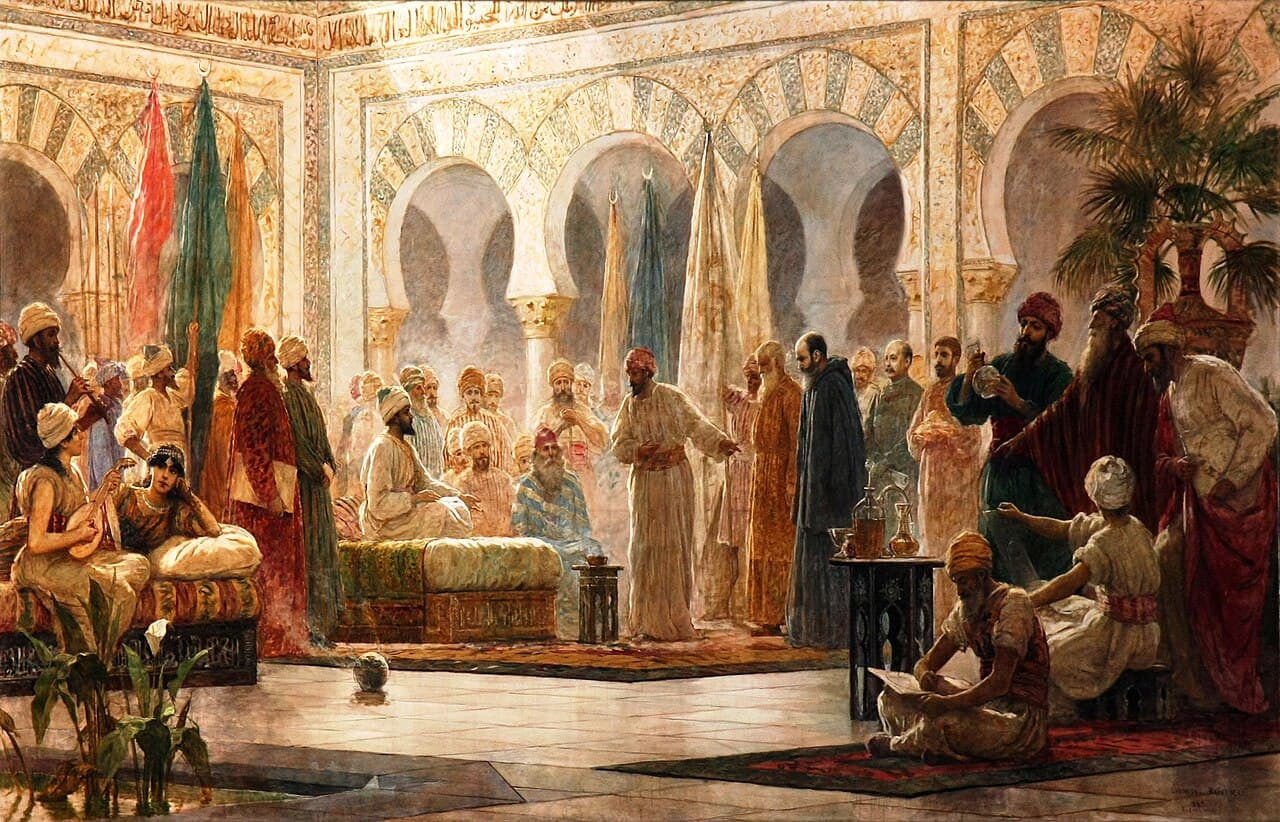
The Bridge Between Oceans and Nations
Colombia, standing between the Atlantic and the Pacific, is not merely a landmass — it is a symbol of spiritual geography, a connection between the ancient East and the awakening West.
It carries the memory of Andalus, the faith of Africa, and the compassion of Palestine — all united under the shadow of the same Divine banner.
“Say, ˹O Prophet,˺ ‘Travel throughout the land and see how He originated the creation, then Allah will bring it into being one more time. Surely Allah is Most Capable of everything.’”
Surah Al-‘Ankabut (29:20)
The Journey of Remembrance
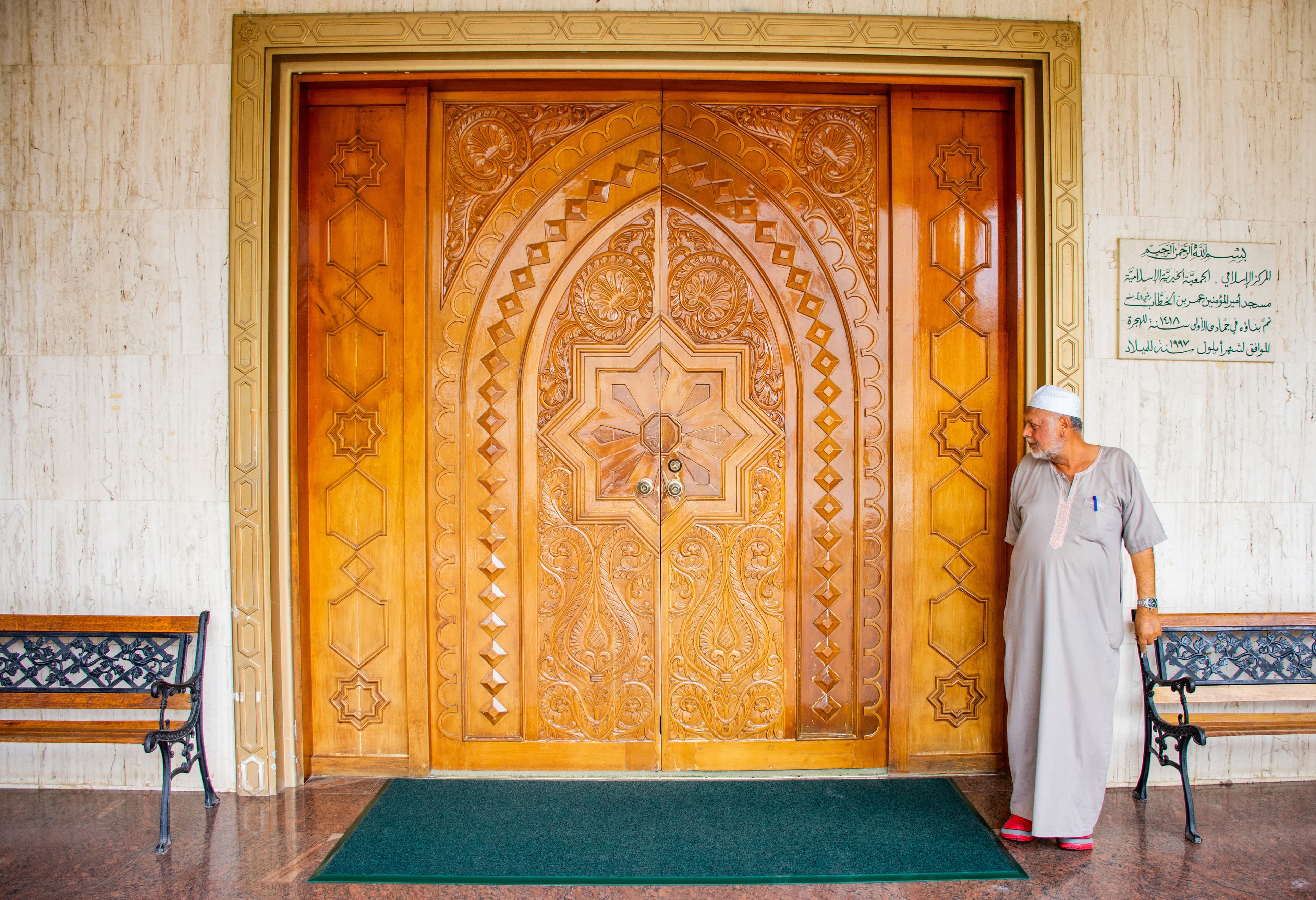
Through Silatu Arrahim Journeys, we invite believers from around the world to rediscover Colombia — the spiritual bridge of the Americas.
To walk through Cartagena, where Andalusian souls once found refuge; to stand in Maicao, where the mosque mirrors Madinah; to join hearts with those who raise the banner of Palestine in the name of mercy.
This is not a journey of distance, but of awakening — a remembrance that faith, justice, and compassion are one body, one soul, one Divine command.
“Indeed, the friends of Allah shall have no fear, nor shall they grieve.”
Surah Yunus (10:62)
Heritage Alive
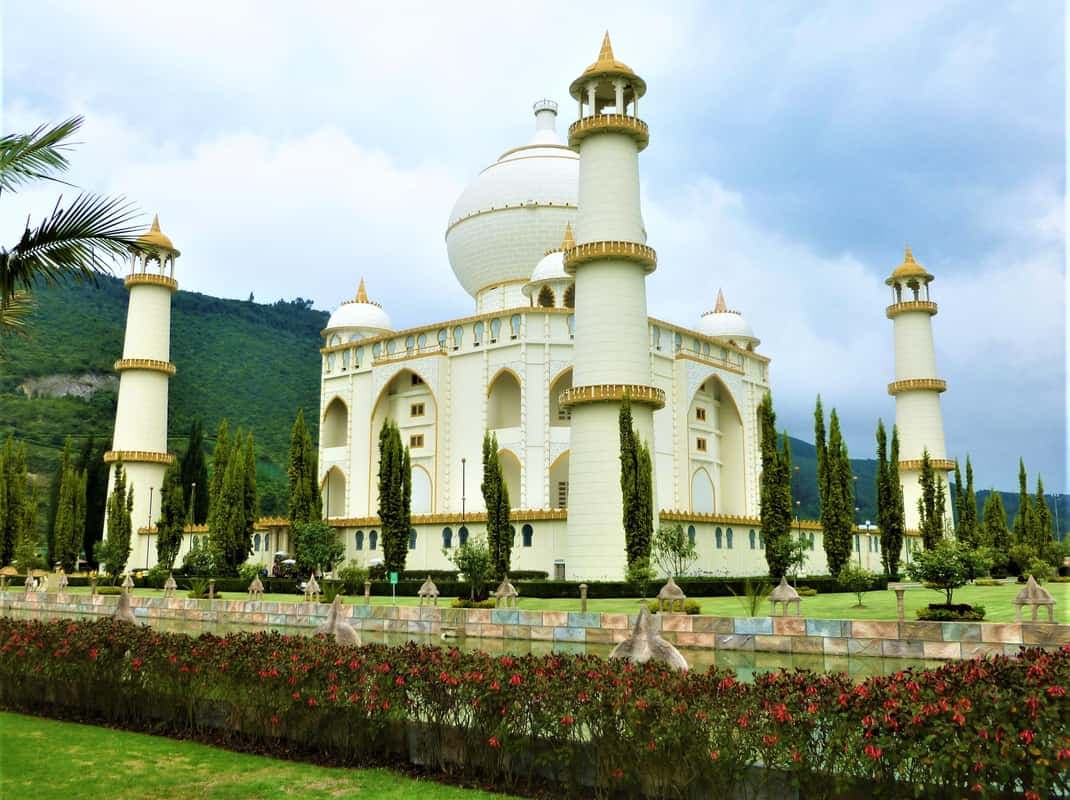
Heritage is not something of the past, but a living servant of the Divine… crossing Time, Space, and Place — guided by the Divine.
The Past, Presence, and Future are all One United.
The actions of today’s presence are the heritage of tomorrow.
Poetic Epilogue — The Crescent of Colombia
From Cordoba to Cartagena… From the Andes to Al-Quds
Bismillahi Ar-Rahmani Ar-Rahim
O Colombia, Bridge of Oceans, Gate of the Two Seas, Heart of the Americas beating between the Atlantic and the Pacific…
A land whose mountains rise like hands in prayer, whose rivers chant SubhanAllah, whose winds carry the breath of Al-Andalus and the longing of Palestine — a land where exiles became ancestors and remembrance became revolution.
To Cartagena — the guarded gate of memory.
Here descended the Muslim children of West Africa, Hafiz of Qur’an, carriers of dhikr, whose tongues refused to forget: “La ilaha illa Allah…” even when their names were stolen.
To Barranquilla — the river that carried more than trade.
From the Magdalena flowed the arrival of Levantine hearts — Palestine, Syria, Lebanon — bringing Jerusalem in their ribs, rebuilding mosques before houses, teaching Qur’an before commerce.
To Maicao — Madinah of the Caribbean.
And there, where the desert meets the tropics, stands the great Masjid of Maicao — a reminder that Islam’s epicenter is not geography, but wherever justice, prayer, and unity stand together.
And to Palestine — Colombia’s other heartbeat.
When the world looked away, you looked toward Gaza. When diplomacy became silence, you made it a sermon — for Colombia saw in Palestine not distant suffering, but a shared destiny.
Closing Invocation
“Say: Travel the earth and see how creation began — and know that Allah renews it again.”
Surah Al-‘Ankabut (29:20)
Heritage is not a relic. It is a compass, a covenant, and a call.
The Past, the Present, the Future — One Ummah, One Soul, One Journey.