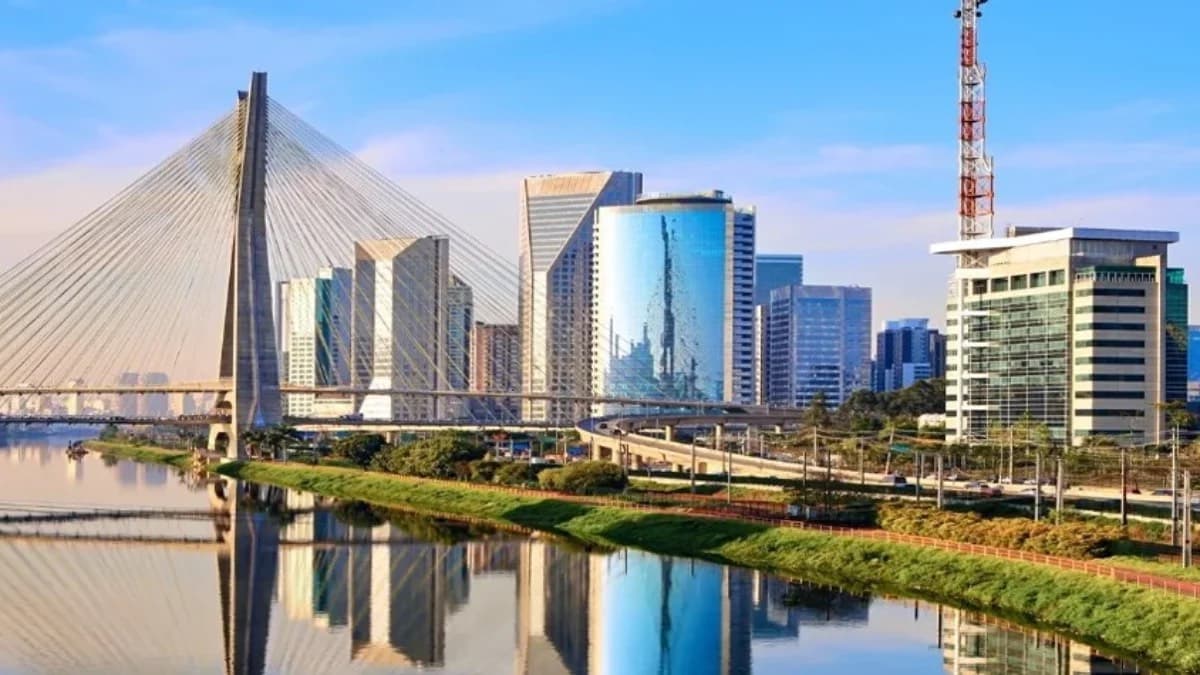
The Islamic Heritage of Brazil
The Lost Crescent of the New World
“From Andalusia to Bahia — The Soul of Islam in the Heart of South America”
In the far reaches of the Atlantic, beyond the lands once known to the world of Islam, lies Brazil — Ard Al-Madzhula, “the Unknown Land,” first mapped by the noble hands of Sheikh Al-Sharif Al-Idrisi (May Allah be pleased with him) in his sacred map of 1154, drawn during the period of the fall of Islamic Sicily.
This sacred land, veiled by oceans, carried the echoes of Andalusia long before European caravels set sail.
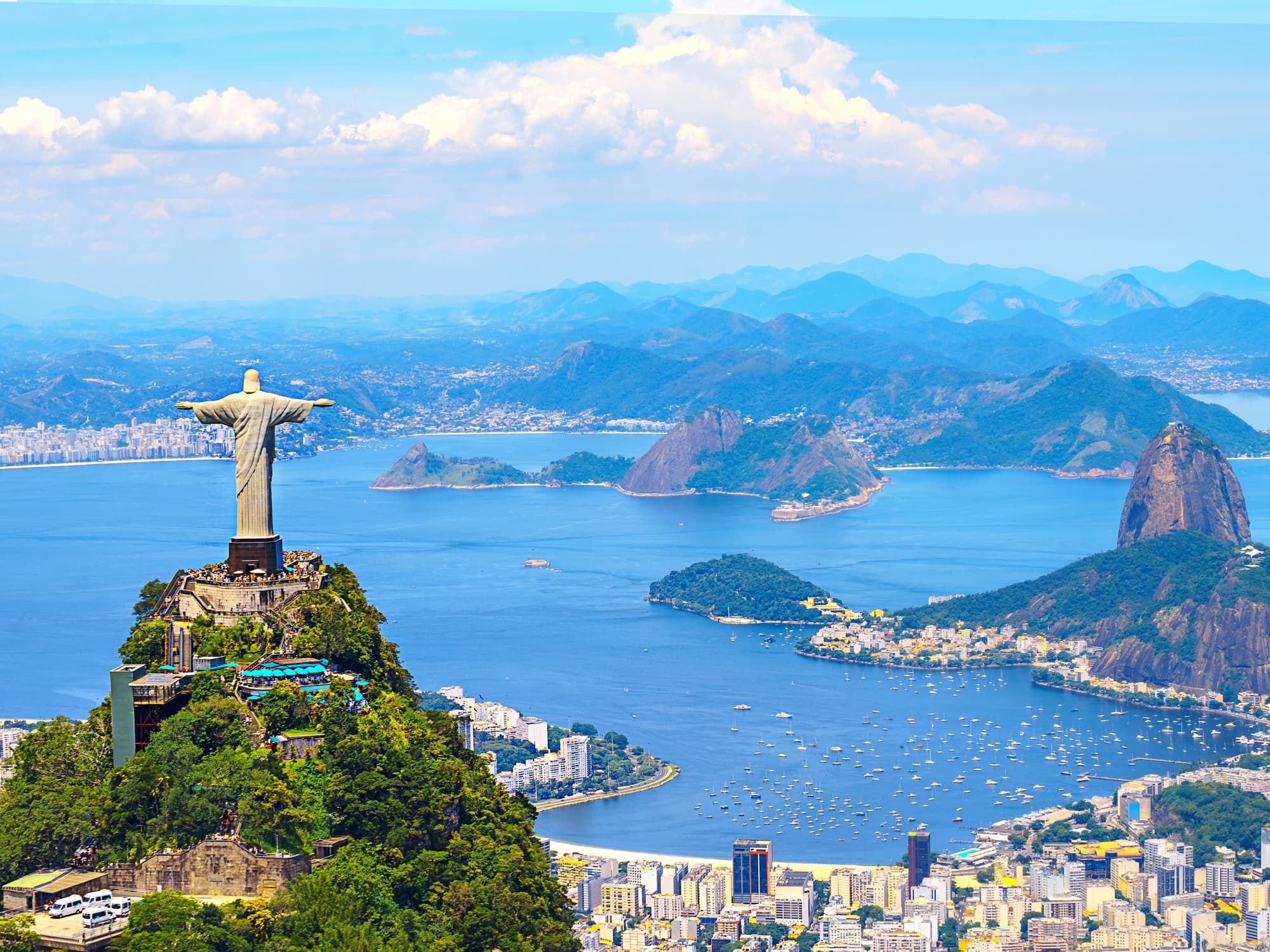
From Al-Andalus to the Atlantic — The Hidden Voyage of Faith
When the light of Cordoba shone upon the world — a beacon of knowledge and divine civilization — Andalusian scholars and navigators whispered of distant western lands.
After the fall of Granada in 1492, countless families of Al-Muwahhideen fled persecution, their hearts heavy with the Qur’an and their eyes turned to the horizon.
Some sought refuge across the Maghreb, others across the Atlantic — the last journey of hope toward lands that would one day be called Brazil.
These exiles, known as the Andalusian Refugees of the West, carried with them the noble sciences of astronomy, medicine, and seafaring — the very knowledge that made the voyage of Columbus possible.
The Andalusian scholar Sheikh Ahmad Ibn Majid (May Allah be pleased with him), whose navigational treatises guided the seas, was among those whose works charted the path to the Americas.
Thus, the spirit of Andalus — of Cordoba, Granada, and Seville — silently reached Brazil centuries before the first colonial empire.
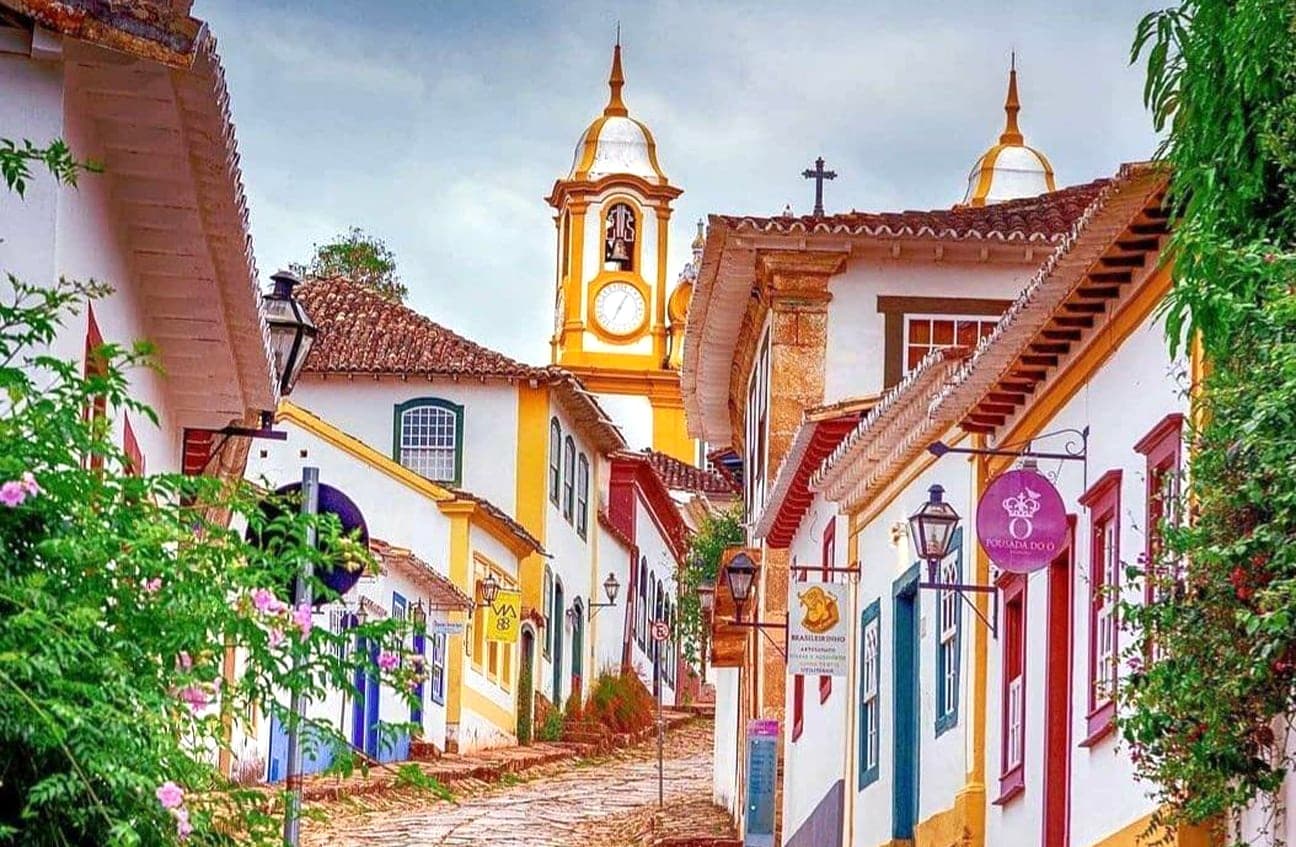
The Slaves of Allah — The African Muslim Uprising
Centuries later, as the chains of slavery darkened the shores of Bahia, another wave of Islam crossed the Atlantic — this time not with merchants or scholars, but with believers bound in chains.
From the coasts of Senegal, Mali, and Nigeria came the noble descendants of the Tijaniyya and Qadiriyya orders, the Mandinka, Yoruba, and Hausa Muslims — learned in Qur’an, fluent in Arabic, and steadfast in Tawheed.
Their hearts carried the remembrance of Allah, and their rebellion was a cry for divine freedom.
In 1835, the world witnessed the Rebellion of the Malês in Bahia — led by the noble Imam Sheikh Bilal Muhammad (May Allah be pleased with him), along with Imam Ahmad of Oyo and Sidi Suleiman Al-Bahiani.
Dressed in white and reciting La ilaha illa Allah, they rose in unity against oppression — not for conquest, but for the restoration of justice and dignity.
Their uprising remains one of the most powerful Islamic revolutions in the history of the Americas — a testimony that La ilaha illa Allah can never be enslaved.
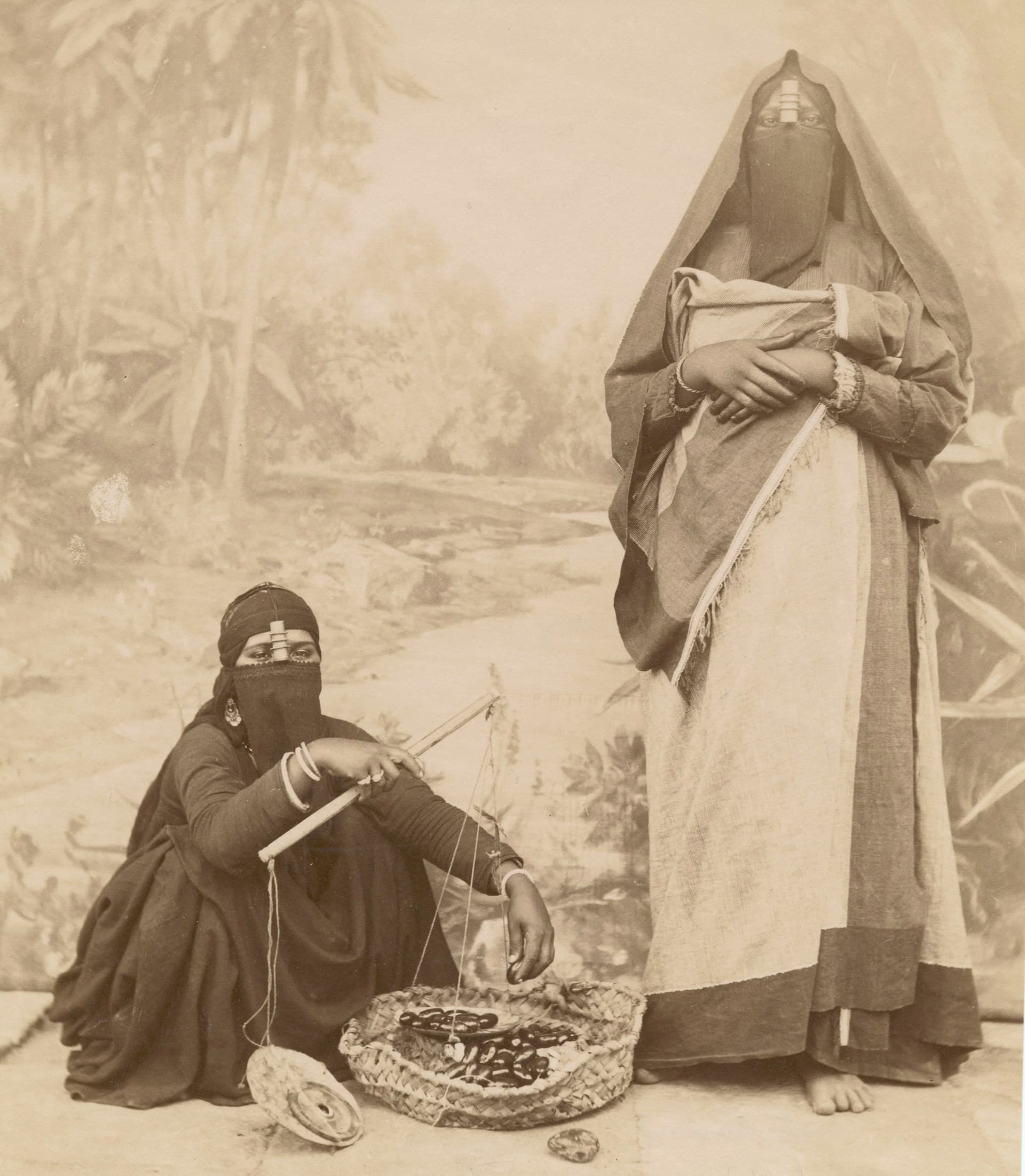
The Waves of Faith — From the Ottoman Refugees to Palestine’s Exile
As centuries passed, the story of Islam in Brazil did not end.
When the Ottoman Empire weakened in the 19th century, waves of Muslim refugees arrived — from Lebanon, Syria, and Palestine, fleeing wars and poverty, carrying with them the legacy of Damascus and Beirut.
Among them were noble families such as Sheikh Sheikh Abdul Qadir Al-Shamali (May Allah be pleased with him) and Sayyid Yusuf Al-Braziliani, who founded the early mosques and madrasas of South America.
After the Nakba of 1948 and the Lebanese Civil War, new waves of believers arrived, planting masajid, halal markets, and Islamic schools across Sao Paulo, Rio de Janeiro, and Foz do Iguaçu.
Today, Brazil holds one of the most vibrant Muslim communities of the West — a mosaic of Arab, African, and native Brazilian believers, united by the Shahada and strengthened by centuries of struggle.
The Living Heritage — Mosques and Madrasas of Brazil
Among the sacred houses of remembrance that stand as testaments to this heritage:
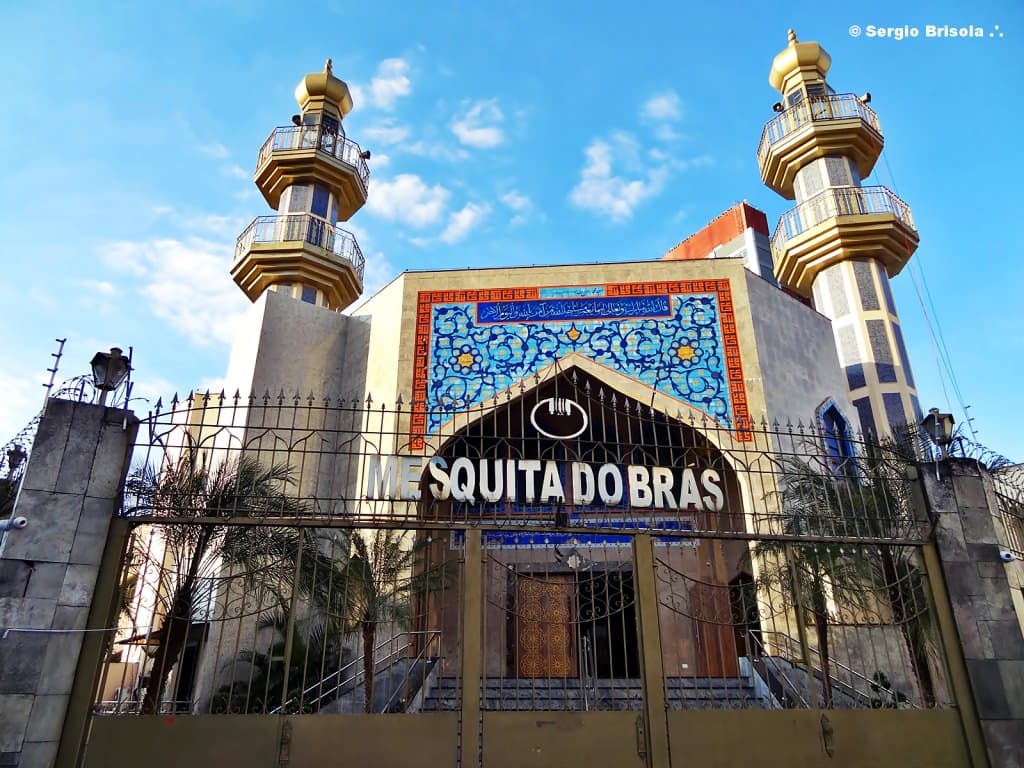
- The Grand Mosque of São Paulo (Mezquita Brasil) – the first mosque of Latin America, built over a century ago by early Arab Muslims.
- The Mosque Omar Ibn Al-Khattab in Foz do Iguaçu – one of the most majestic in the southern hemisphere, reflecting the grandeur of Islamic architecture.
- The Rio de Janeiro Islamic Center, where the adhan rises between mountains and ocean, symbolizing Islam’s harmony with nature.
In these sacred places, the voices of Al-Andalus, Africa, and Arabia merge into one — the eternal song of the Ummah.
The Scholars and Awliya of the Brazilian Soul
Brazil’s Islamic history shines with spiritual giants, scholars, and leaders who preserved the flame of faith through hardship and exile:
- Sheikh Bilal Muhammad (May Allah be pleased with him) – leader of the Malês Rebellion of Bahia.
- Sheikh Sheikh Abdul Qadir Al-Shamali (May Allah be pleased with him) – founder of Brazil’s first madrasa for Qur’an studies.
- Sheikh Sayyid Yusuf Al-Braziliani (May Allah be pleased with him) – among the first scholars to bring Shafi’i fiqh texts from the Levant to South America.
- The Grand Waliyyatu Allah Fatima Al-Bahiana (May Allah be pleased with her) – a descendant of the freed Muslim slaves of Salvador, who dedicated her life to teaching children the Qur’an.
- Sheikh Sheikh Ahmad Al-Lubnani (May Allah be pleased with him) – one of the first imams to unify the Muslim communities of Lebanon, Palestine, and Brazil under one Ummah spirit.
Their legacy breathes in every masjid, in every Ramadan iftar, and in every young Muslim voice calling the adhan in Portuguese.
The Language of Light — Arabic Roots in the New World
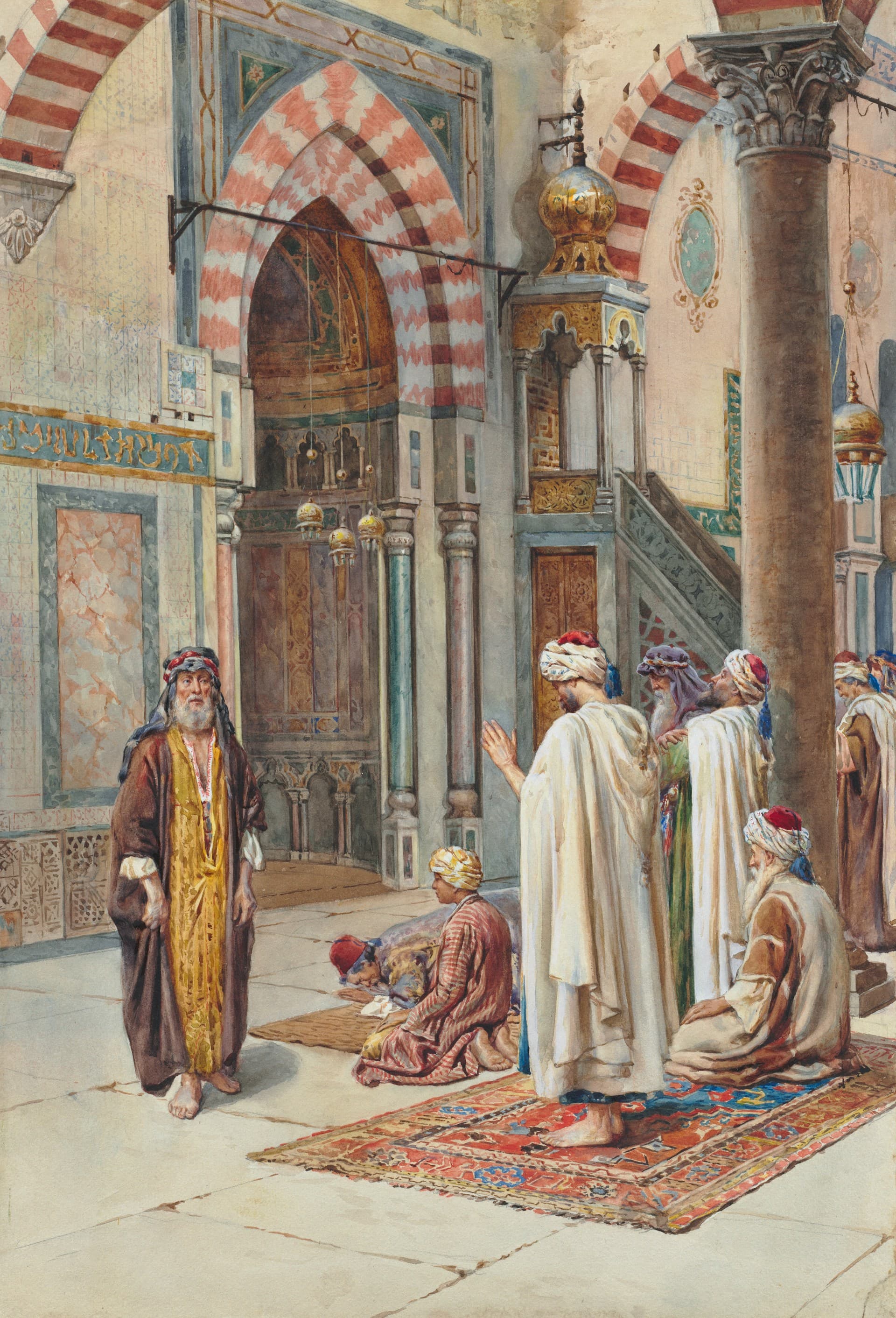
Through trade, migration, and faith, hundreds of Arabic and Islamic words found their way into Portuguese and the Brazilian spirit — alfaiate (tailor), almofada (cushion), azeite (olive oil), xadrez (chess), and alface (lettuce) — silent witnesses of the Andalusian and Arab soul that shaped the Lusophone world.
Even Brazil’s name, derived from pau-brasil, echoes the burasiyah — the red dye of the East, once traded along Muslim maritime routes connecting Mozambique, India, and Andalusia.
The Heritage Alive
From Cordoba to Bahia, from Makkah to São Paulo, the Ummah’s journey across oceans was not a tale of conquest, but of connection — the unity of hearts seeking Allah in every horizon.
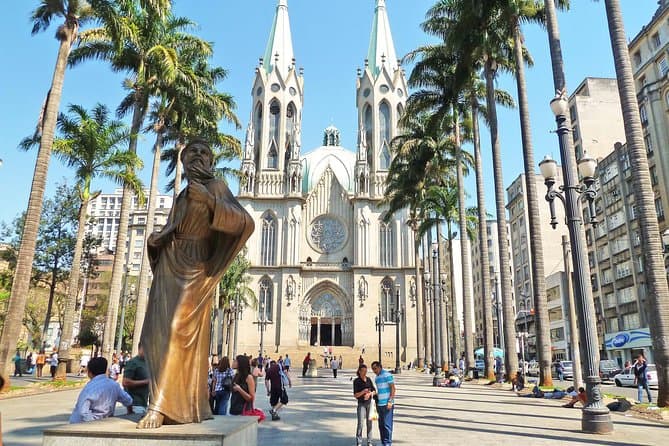
Today, the descendants of Andalusians, Africans, and Arabs walk the streets of Brazil as proud Muslims — judges, scholars, business leaders, and artists — reviving a civilization that once crossed the seas with the Qur’an as its compass.
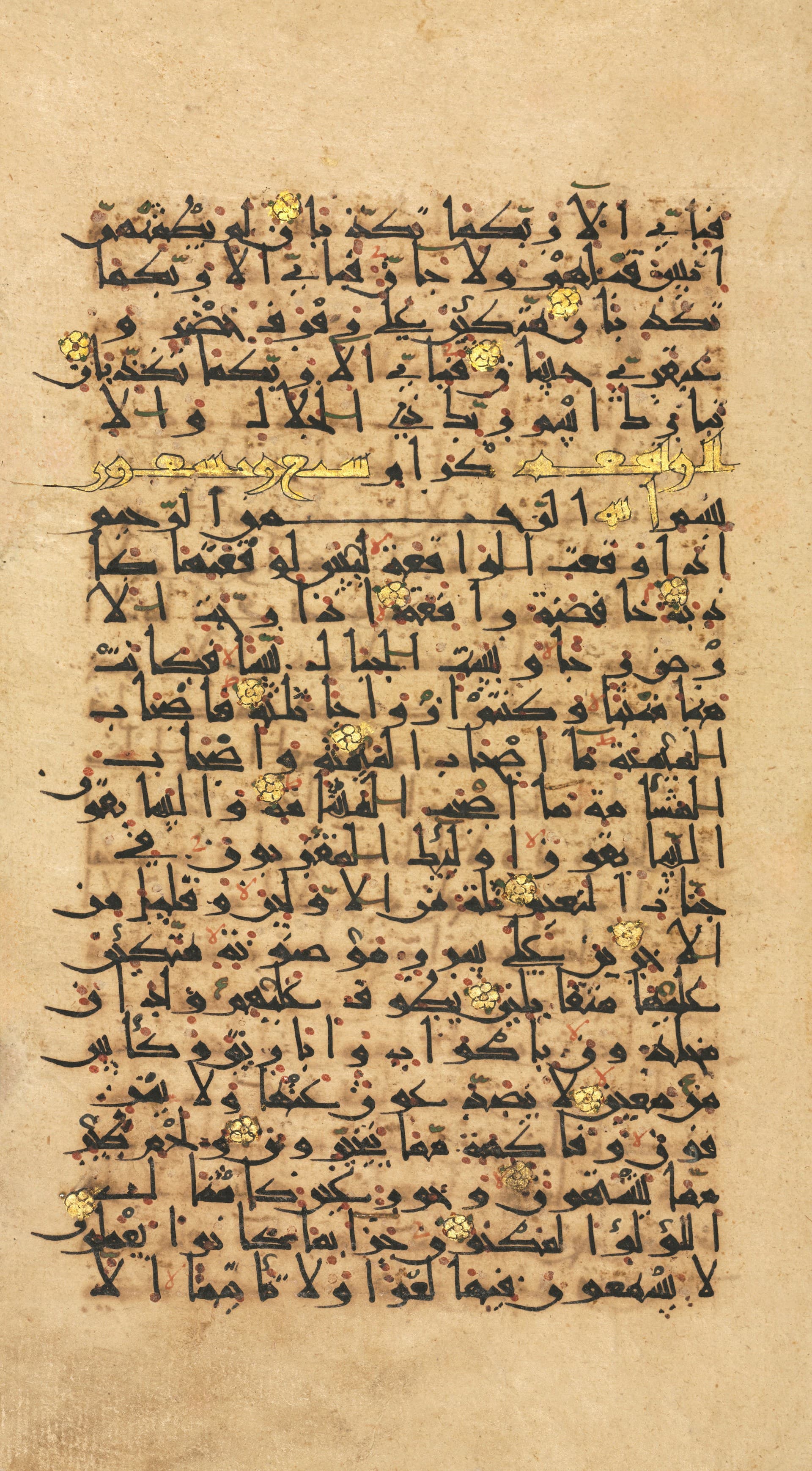
“And He it is Who has made you successors upon the earth and raised some of you above others in degrees that He may try you through what He has given you.”
Surah Al-An‘am (6:165)
The Journey of Remembrance
Through Silatu Arrahim Journeys, we return to the forgotten heritage of Brazil —
to the mosques that rise beside the Amazon,
to the memories of Andalus that sailed westward,
to the graves of the Malês who died whispering “Allahu Akbar.”
This is not a journey of tourism — it is a journey of truth, remembrance, and awakening.
To stand on Brazilian soil is to stand on the western frontier of Islam’s ocean — where the Crescent once touched the Cross, and the voice of the Ummah still echoes in the wind.
Poetic Epilogue — The Crescent of Islamic Brazil
From Cordoba to Bahia… from the Atlantic to Eternity
Bismillahi Ar-Rahmani Ar-Rahim
Oh Brazil, land of hidden dawns, where the ocean guarded a secret older than caravels, older than conquest, older than the maps of men…
You were Ard Al-Madzhula — the Unknown Land, yet known to the hearts whose compass was Allah and whose horizon was Tawheed.
From the ink of Al-Idrisi to the tides of destiny… before nations wrote your name, Al-Idrisi drew your silhouette with the light of Cordoba.
Then came the Believers in chains… but never enslaved. In Bahia, under the moon of Ramadan, rose the Malês in white, led by Bilal Muhammad — with “La Ilaha illa Allah” sharper than swords — not fighting to rule, but fighting to breathe as believers.
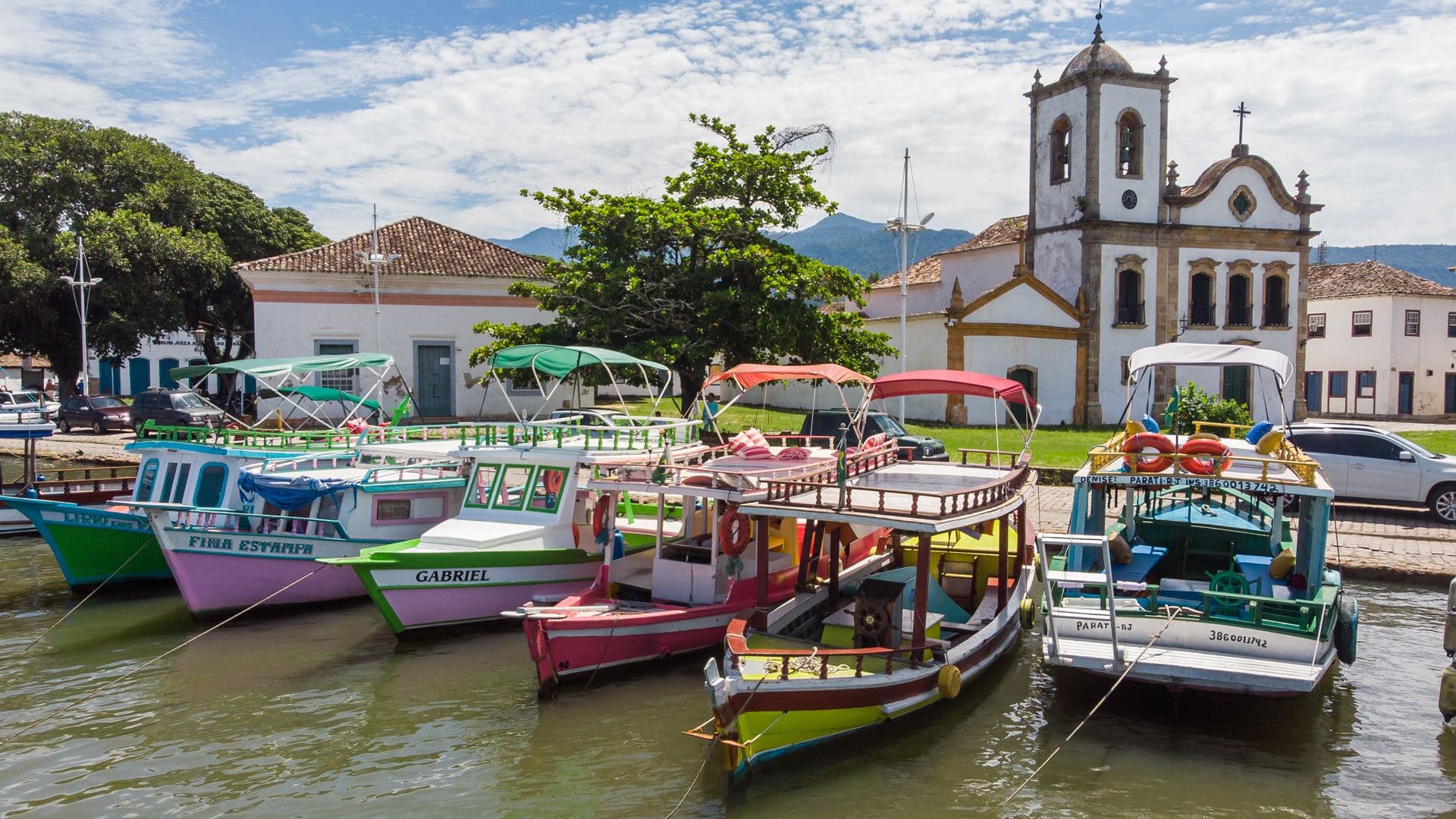
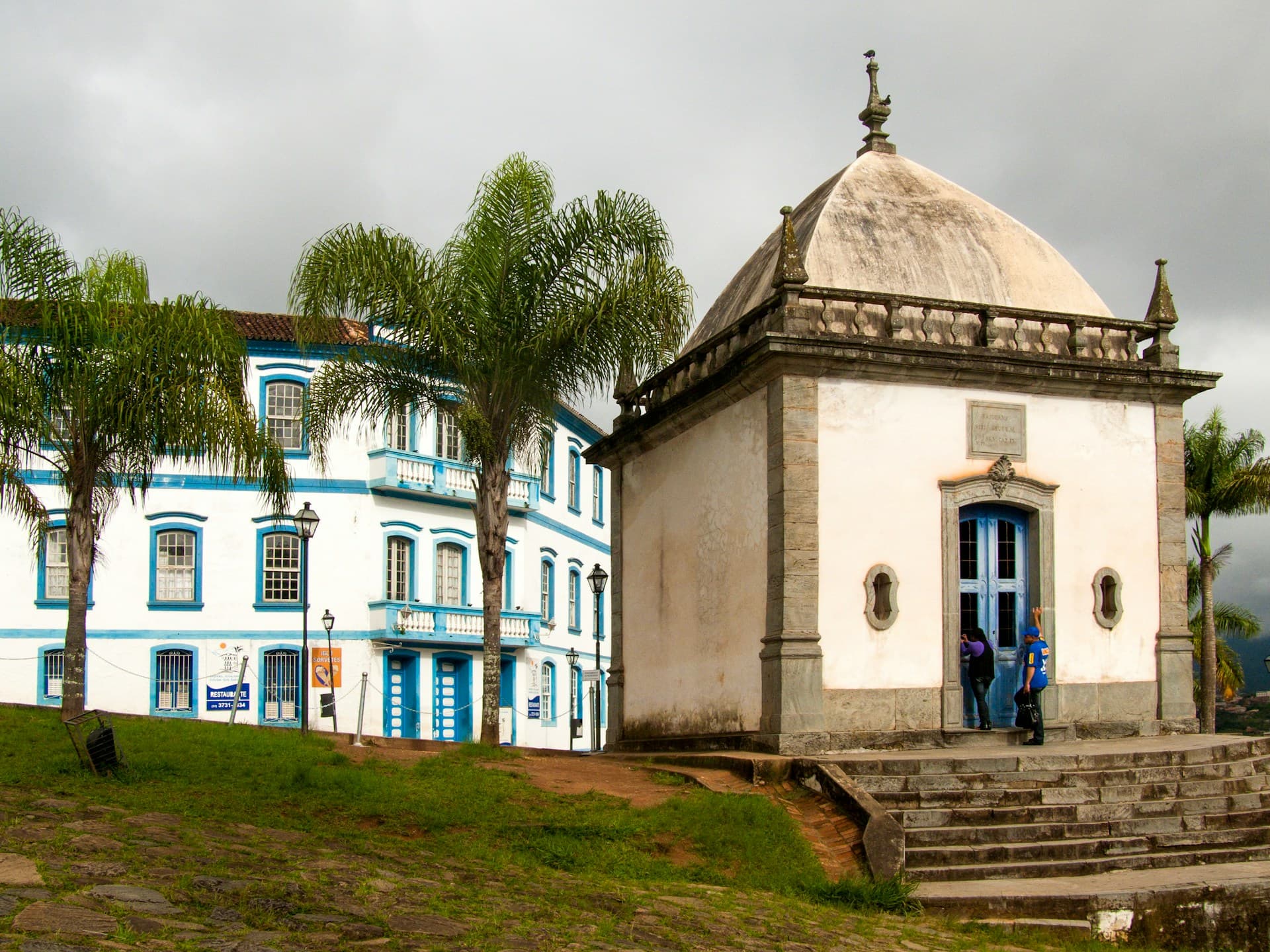
And then the Levant arrived, carrying Jerusalem in its chest — to São Paulo, Rio de Janeiro, Foz do Iguaçu, Paraty — planting masajid, markets, schools, and remembrance.
Brazil did not meet Islam… Brazil recognizes Islam.
Oh Brazil, land between two dawns… you are Cordoba’s daughter across the sea, Bahia’s rebellion dressed in prayer, Palestine’s second breath, Africa’s unbroken dhikr, the Atlantic’s whispered Shahada.
Final Vow
Heritage is not a relic. Heritage is a compass. And Brazil is not the boundary of Islam — it is its furthest embrace.
The Past, The Present, The Future — One verse, written by Allah.