The Islamic Heritage of the Balkan
The Garden of the Awliya and the Crescent of Europe
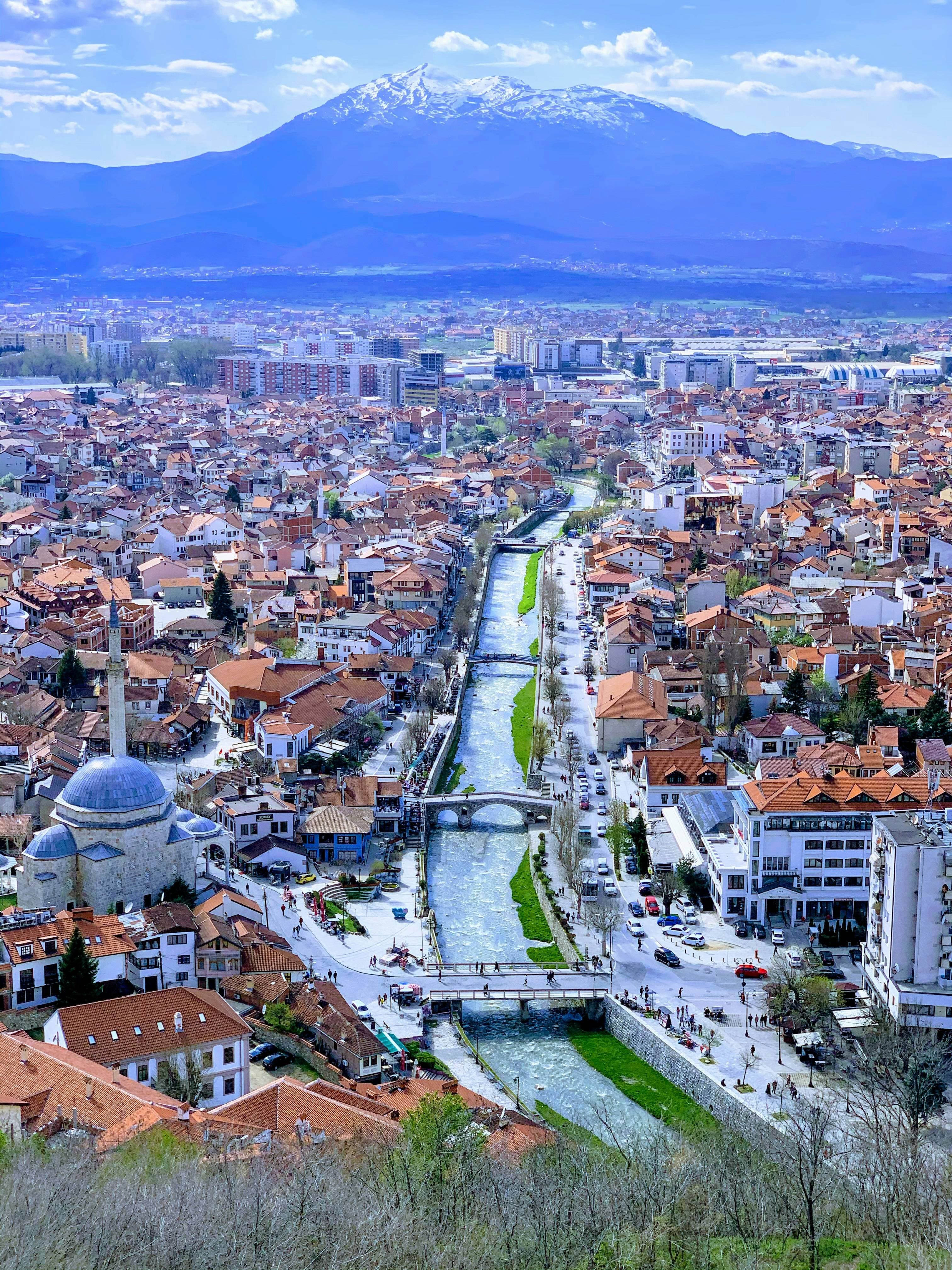
In the heart of southeastern Europe, where mountains kiss the sky and emerald rivers mirror the heavens, lies a land soaked with remembrance — the Balkans, the garden of saints and martyrs. Here, history breathes the fragrance of the Qur’an, and every stone holds the echo of the Adhan that once sanctified the valleys of Sarajevo, Skopje, Prizren, and Tirana.
For more than six centuries, this land has been a bridge between continents, between civilizations, between hearts — where the Crescent and the Cross met not in war alone, but in the dialogue of destiny.
The Prophecy of Light – The March of Al-Fatih
The Messenger of Allah ﷺ foretold:
“Verily, you shall conquer Constantinople. What a blessed commander is its commander, and what a blessed army is that army.”
That blessed commander was Sultan Muhammad Al-Fatih (May Allah be pleased with him) — the young conqueror of Constantinople, whose vision extended beyond the Bosphorus into the very soul of the Balkans. His armies did not conquer for empire, but for enlightenment — for Tawheed, for justice, for the call of Allah to rise over the mountains of Europe.
Under his light and that of his noble successors, Bosnia, Kosovo, Macedonia, and Albania blossomed into the jewels of Islamic civilization. Mosques, madrasas, and tekkes became gardens of dhikr; scholars became rivers of guidance flowing through the Balkans and into the heart of Europe.
Bosnia – The Rose of the Balkans
Sarajevo, the city of a thousand minarets, became known as “Al-Quds Al-Thani” — The Second Jerusalem. Here, Sheikh Gazi Husrev Bey (May Allah be pleased with him) — student of Al-Fatih — founded one of Europe’s oldest Islamic universities, the Gazi Husrev Bey Madrasa, in 1537. Its mosque and waqf still stand as pillars of knowledge, where Qur’an and science walked hand in hand.
In Mostar, the Stari Most (Old Bridge), built by Sheikh Mimar Hayruddin (May Allah be pleased with him) — student of the genius Mimar Sinan (May Allah be pleased with him) — arches gracefully across the Neretva River. It is not merely a bridge of stone, but a bridge of souls — symbolizing unity between faiths, and between heaven and earth.
In Blagaj, the Tekke of the Sufi saints whispers with the remembrance of Allah — its white walls embracing the turquoise river that flows from the cave like mercy flowing from the Divine.
Kosovo – The Land of Loyalty and Martyrdom
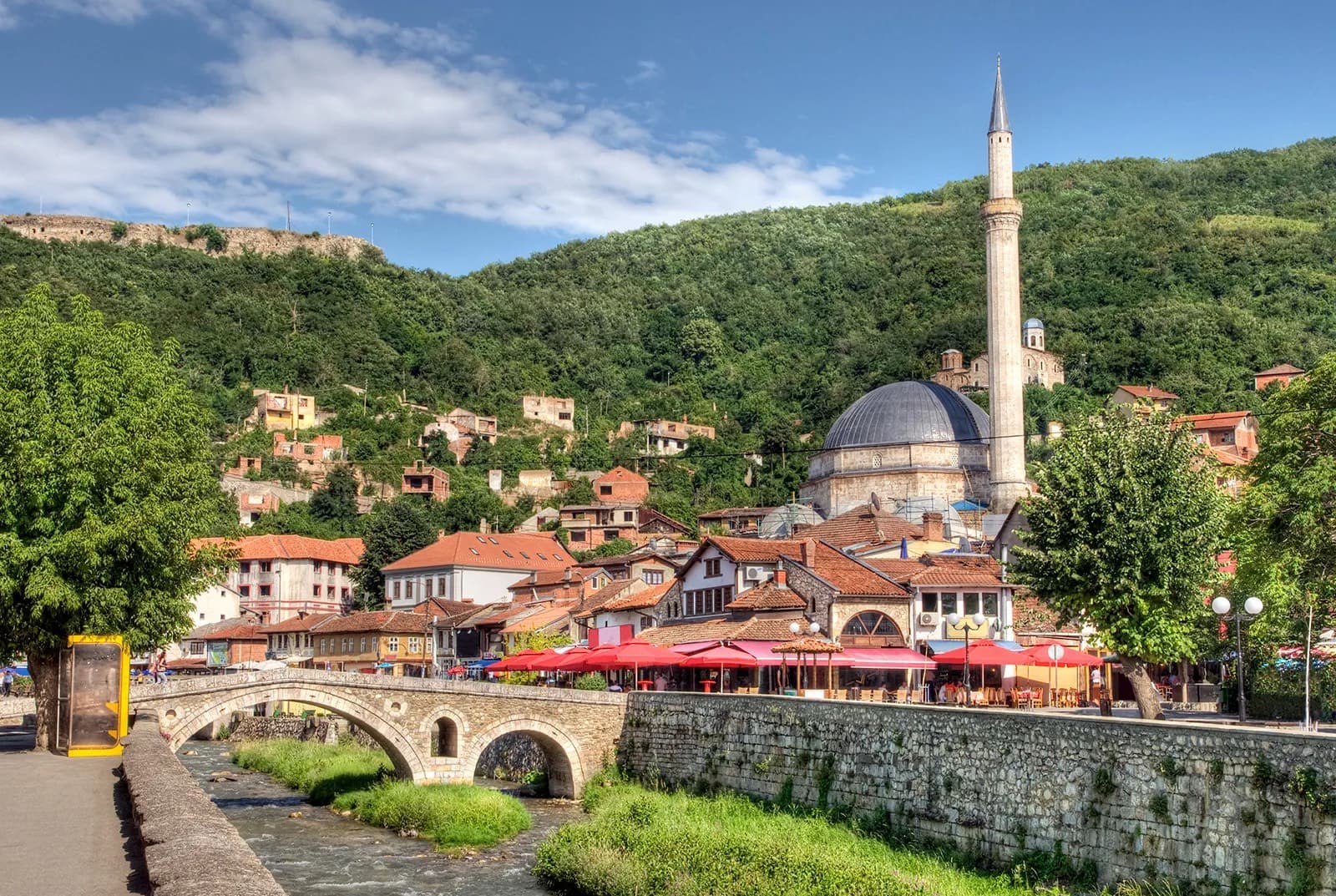
In the plains of Kosovo Polje, the echoes of faith and resistance intertwine. Here, the Ottomans carried the flag of Islam into the heart of the Balkans, and the souls of the faithful bore witness to their struggle.
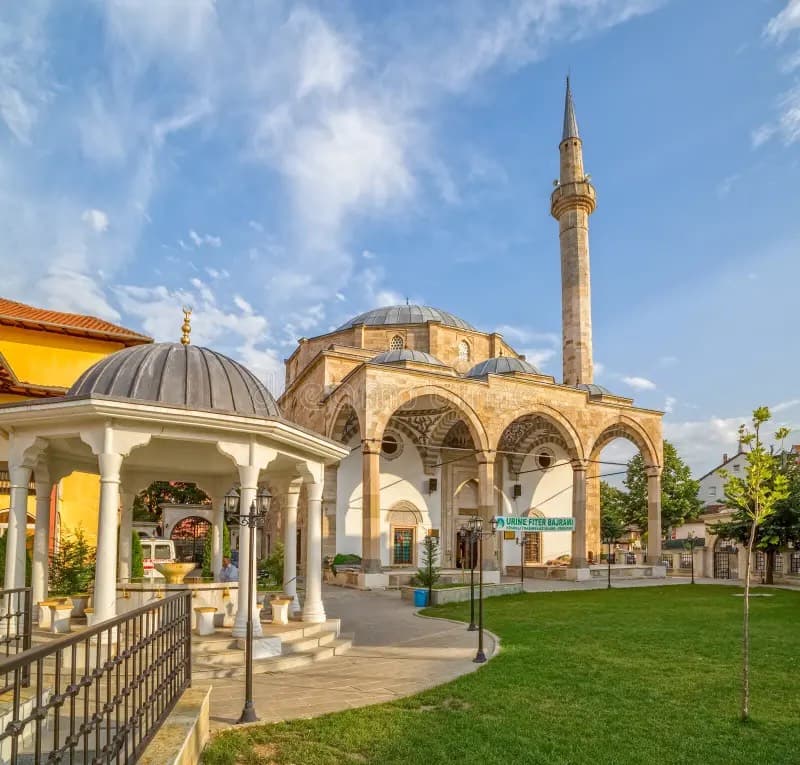
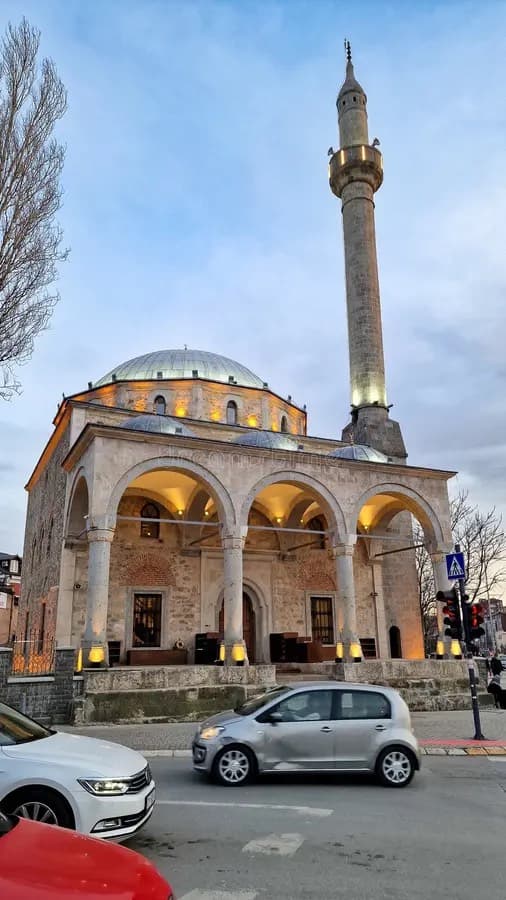
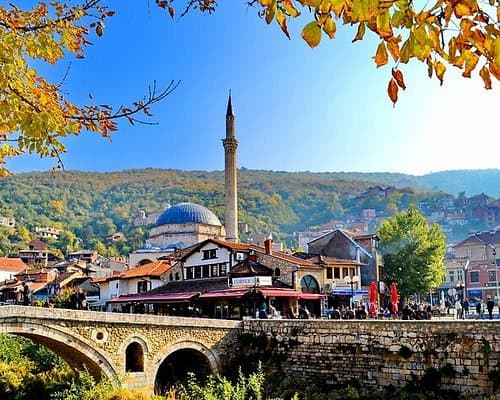
In Prizren, the Sinan Pasha Mosque, built in 1615, still radiates serenity. Its golden dome rises beside the old Ottoman bazaar, a symbol of Islamic artistry and devotion that endures. Nearby stands the Tomb of Sultan Murad (May Allah be pleased with him) — martyred on this land, his heart buried in Kosovo, his spirit forever guarding its valleys.
Every call to prayer from the minarets of Pristina and Gjakova is a reminder that Islam here was written not by swords, but by sacrifice.
Macedonia – The Echoes of the Saints
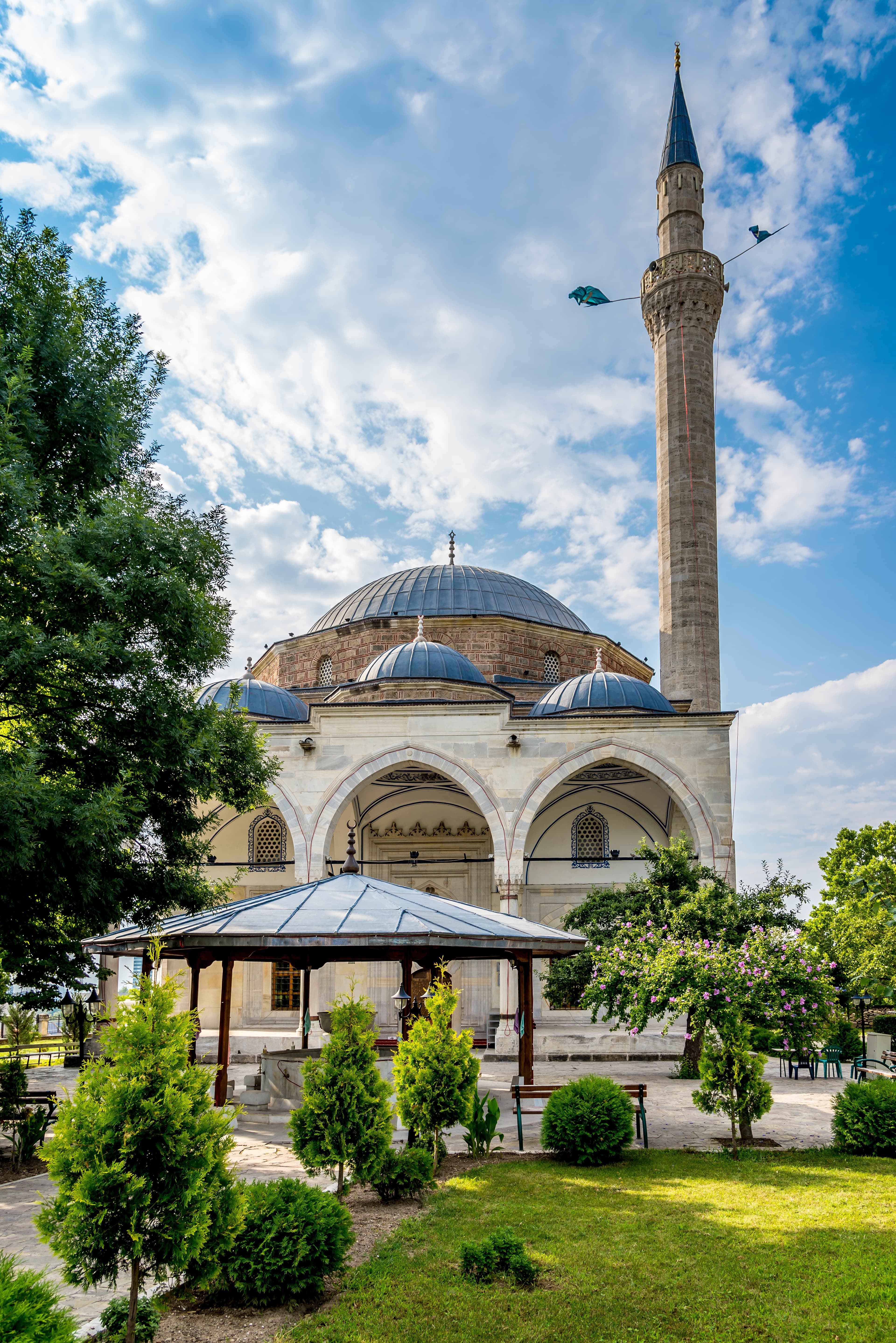
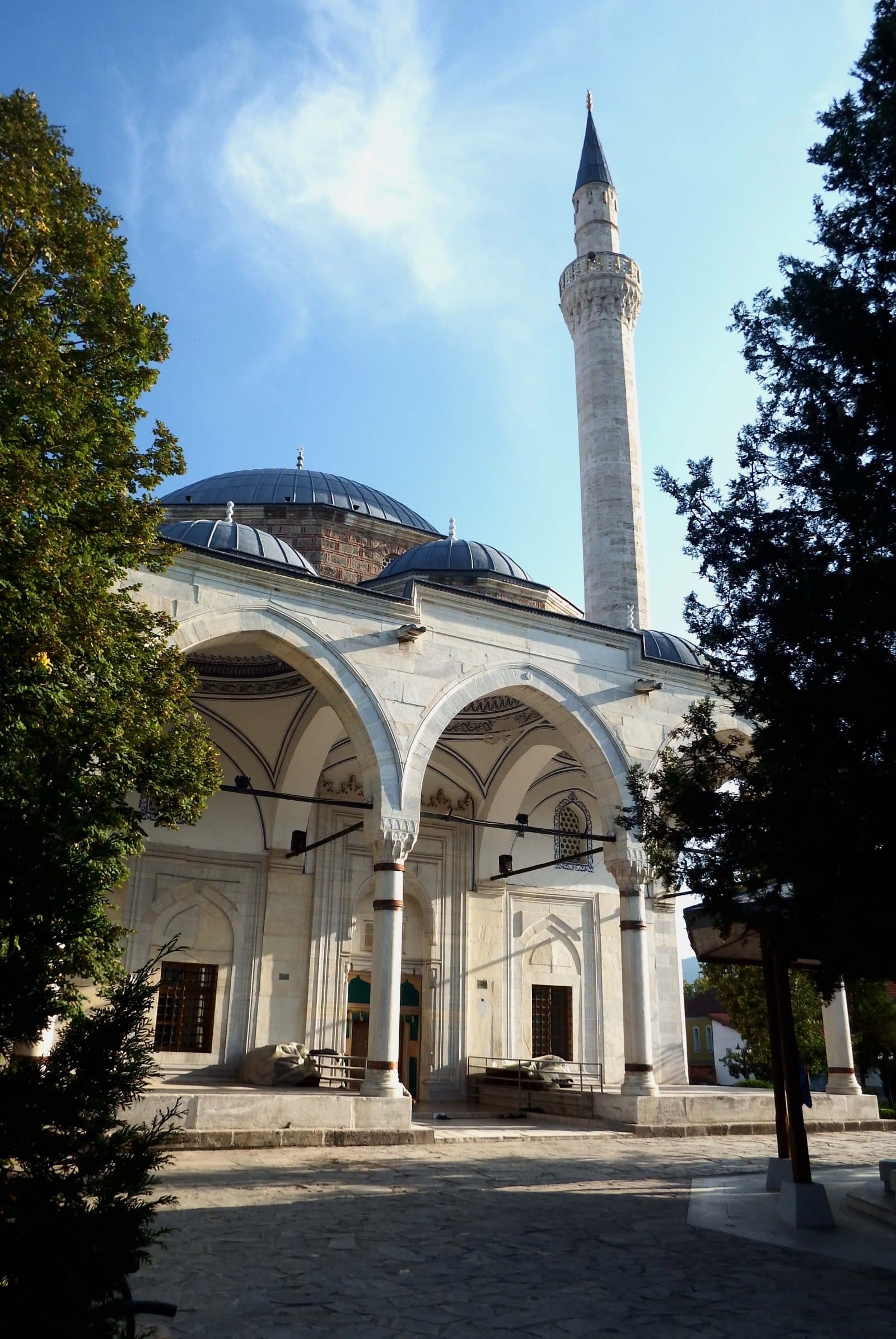
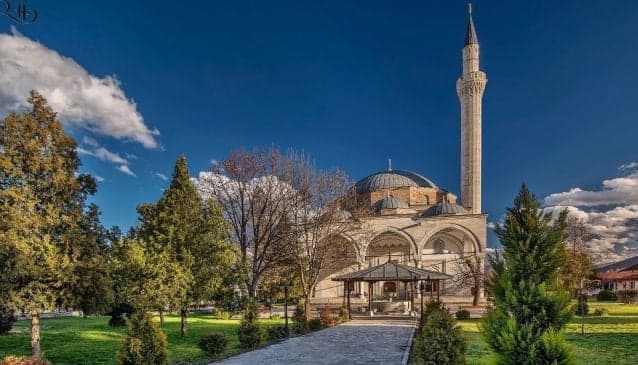
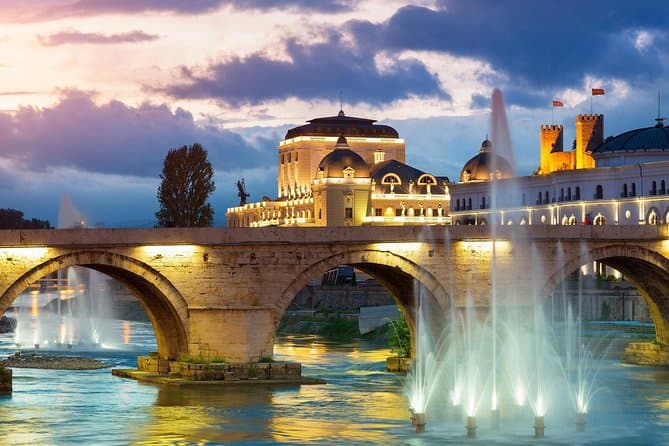
Skopje, city of bridges and bazaars, still bears the legacy of the Awliya. The Mustafa Pasha Mosque, with its elegant Ottoman dome, stands like a crown upon the old city, while the Suli An Tekke recalls the days when Sufi poets sang in the language of love for Allah.
Ohrid, with its crystalline lake, reflects the heavens and the faith of the people. Here, Sheikh Sheikh Hayati Baba (May Allah be pleased with him) spread the light of Tasawwuf across Macedonia and into the Albanian hills, where remembrance continues to this day.
Albania – The Heart of Sufism in the West
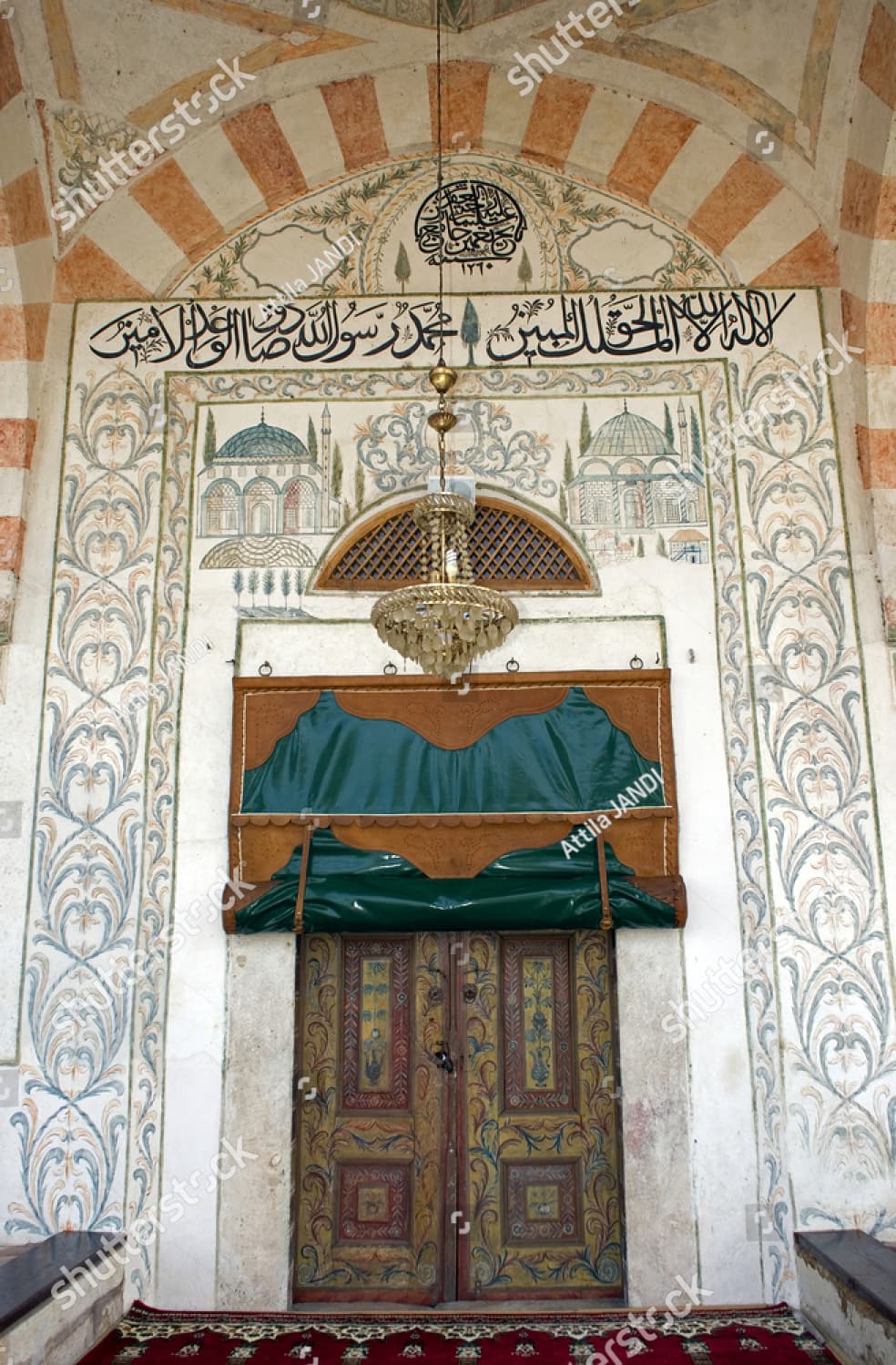
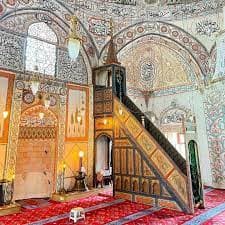
From the peaks of Kruja to the plains of Tirana, Albania stands as a fortress of faith. Under the Ottoman Caliphate, it became a spiritual lighthouse for the Western Ummah. The Et’hem Bey Mosque in Tirana, adorned with hand-painted trees and waterfalls, reveals the Albanian soul — natural, artistic, and devoted to Allah.
The Bektashi Order, with its world headquarters in Tirana, preserved the mystical heritage of Islam throughout centuries of trials. Sheikh Hajji Bektash Veli (May Allah be pleased with him) — whose teachings of love, humility, and unity inspired both Turks and Albanians — remains a light that guides seekers across the Balkans.
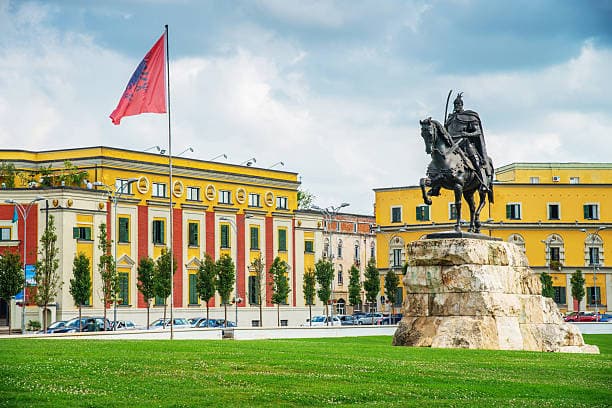
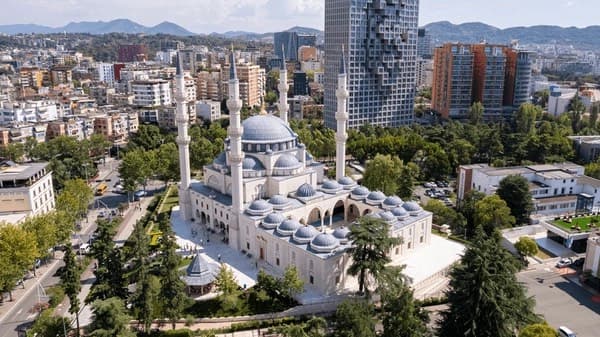
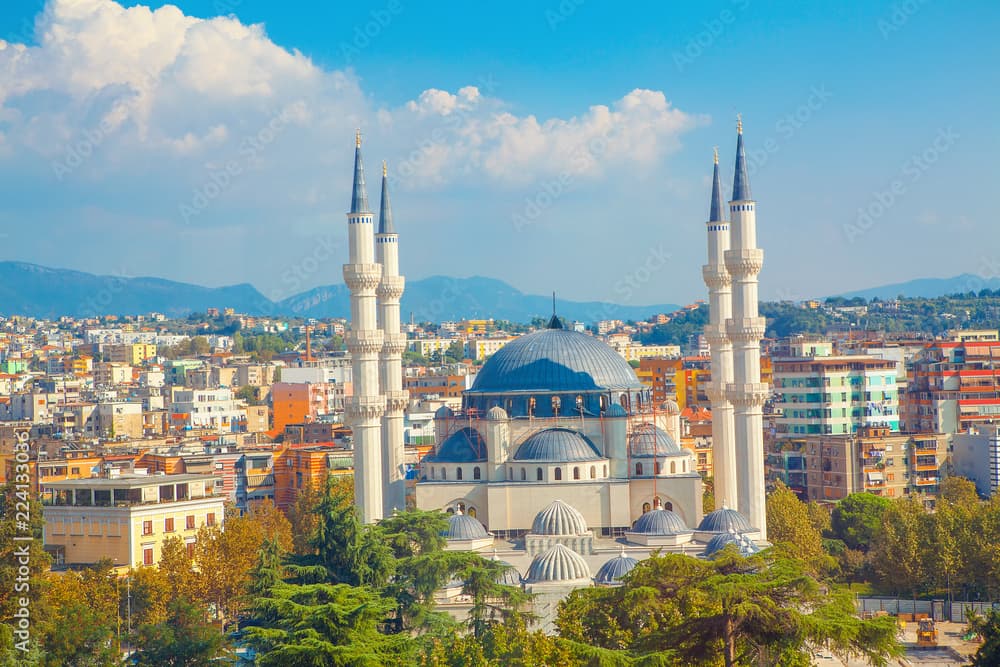
Today, the Great Mosque of Tirana, one of Europe’s largest, stands beside the Parliament — a visible sign that Islam remains alive and radiant at the heart of the Balkans.
Montenegro and Croatia – The Forgotten Crescent
In Kotor and Budva, Ottoman fortresses still rise above the Adriatic, their walls whispering the verses once recited by the mu’adhdhin. Along the coast of Dubrovnik, Islamic influence is found in the architecture, the calligraphy preserved in old archives, and the trade routes that once connected the Balkans to the Maghreb and Al-Andalus.
Though the minarets are silent now, the stones remember — every mosque converted, every call to prayer silenced — yet the Divine light remains, unseen but unextinguished.
The Scholars and Awliya of the Balkans
- Sheikh Gazi Husrev Bey (May Allah be pleased with him) – Founder of Sarajevo’s madrasa and one of the greatest visionaries of Ottoman Bosnia.
- Sheikh Hajji Sinan Pasha (May Allah be pleased with him) – Builder of the majestic mosque in Prizren and patron of Islamic learning.
- Sheikh Hajji Bektash Veli (May Allah be pleased with him) – Spiritual guide of the Bektashi Sufi path.
- Sheikh Sheikh Hayati Baba (May Allah be pleased with him) – Macedonian saint whose dhikr circles united generations.
- Sheikh Sheikh Hasan Zajazi (May Allah be pleased with him) – Scholar and reformer of the 17th century.
- Sheikh Idris Baba (May Allah be pleased with him) – Mystic whose influence spread from Pécs to Skopje.
The Heritage Alive
The Balkans today stand once again as a mirror to the Ummah — a reminder that faith may fade from walls, but never from hearts. New mosques rise in Sarajevo, Pristina, and Tirana; Qur’an schools flourish; and the youth rediscover pride in their divine heritage.
The soil that once bore the blood of martyrs now blossoms with remembrance — and the Crescent rises once again above the rivers of Europe.
“ Say, ˹O Prophet,˺ ‘Travel throughout the land and see how He originated the creation, then Allah will bring it into being one more time. Surely Allah is Most Capable of everything.’”
Surah Al-‘Ankabut (29:20)
The Journey of Remembrance
Through Silatu Arrahim Journeys, we invite you to walk among the Awliya — to stand at the Gazi Husrev Bey Mosque, to feel the serenity of Blagaj Tekke, to gaze upon Ohrid’s sacred lake, and to pray in the Great Mosque of Tirana.
This journey is not about visiting monuments — it is about reviving the light of remembrance. The Balkans are not a chapter of the past, but a living page of Divine wisdom still being written.
“ Indeed, the friends of Allah shall have no fear, nor shall they grieve.”
Surah Yunus (10:62)
Heritage Alive
Heritage is not something of the past, but a living servant of the Divine…
Crossing Time, Space, and Place — guided by the Divine.
The Past, Presence, and Future are all One United.
The actions of today’s presence are the heritage of tomorrow.
The Garden of Saints, The Bridge of Hearts
O Balkans…
land of rivers that recite,
mountains that prostrate,
and valleys that remember.
You are not a border…
you are an embrace.
Not a crossroads…
you are the road itself.
Where Europe inhales the East,
and the East exhales Mercy.
Your soil has witnessed armies, yes—
but more than that, it has witnessed du‘ā.
Your stones have heard canons, yes—
but louder than war was the Adhan.
From Sarajevo to Skopje, Prizren to Tirana,
from Mostar’s bridge of unity to Ohrid’s mirror of dhikr,
from Bosnia’s roses of knowledge to Albania’s heart of Tasawwuf,
your story was written not in ink,
but in light, water, and prayer.
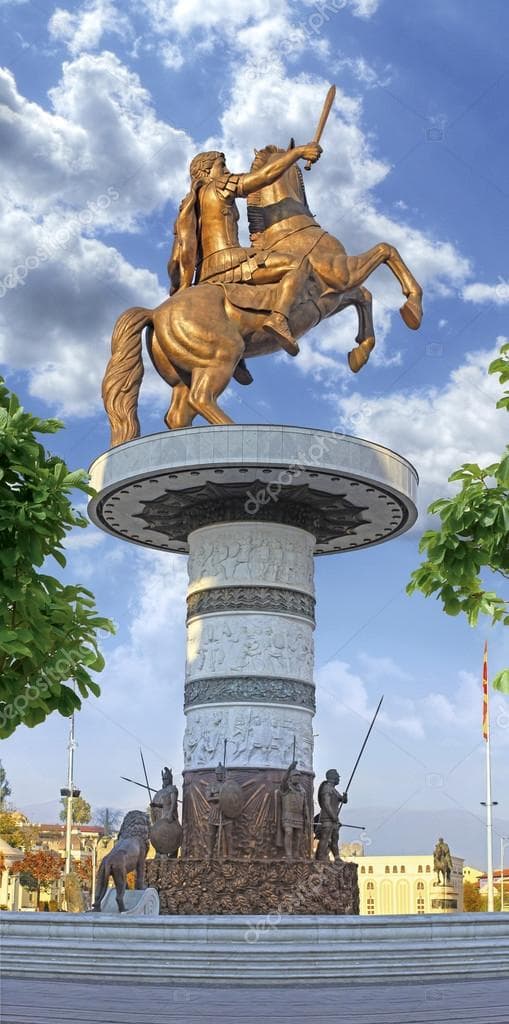
O Land of Al-Fatih’s Vision…
When Muhammad Al-Fatih carried the promise
foretold by the Beloved ﷺ,
he did not carry conquest—
he carried completion.
And when the banners rose over the Balkans,
they did not claim land…
they liberated space for the Name of Allah.
In Bosnia, the Qur’an built universities from waqf,
and bridges became metaphors for souls reconnecting.
In Kosovo, loyalty was written in martyrdom,
and remembrance carved into the heartbeat of battlefields.
In Macedonia, dhikr swirled like mist over lakes.
In Albania, Tasawwuf lit lanterns in every tekke.
In Montenegro and Croatia,
the crescent hid in fortresses and archives,
waiting—not dying.
O Balkans… cradle of awliya…
Your saints walked without crowns,
yet kingdoms bowed to their sincerity.
- Gazi Husrev Bey, the waqf of knowledge
- Sinan Pasha, the architect of devotion
- Hayati Baba, whose breath became dhikr
- Hajji Bektash Veli, whose love became a path
- Idris Baba, whose soul crossed borders unseen
They built no monuments to themselves…
for their monument was the awakening of hearts.
And when night came…
Even when minarets were wounded,
the sky kept the echo.
Even when domes were hushed,
the earth continued sujūd.
Even when empires fell,
Allah remained.
For this land did not inherit Islam,
it lived Islam.
Not in libraries only—
but in lullabies, bread, river names, caravan hospitality,
and the unsayable dignity of believing nations
who carried faith without expecting applause.
O Balkans… you are a hidden tasbih
Your rivers are beads of SubhanAllah,
your forests chant Alhamdulillah,
and your mountains rise like hands whispering Allahu Akbar.
The Adriatic writes Bismillah on its tide,
the Drina river remembers La ilaha illa Allah,
and every stone between East and West testifies:
“The Ummah did not pass through here…
the Ummah grew here.”
And so we speak to you, O Balkans:
You are not a survivor of history…
you are its teacher.
You are not a memory…
you are wuqūf — a standing before Allah.
You are not the edge of Europe…
you are the heart of Europe remembering its soul.
Poetic Seal
You carried Qur’an in your accent,dhikr in your weddings,sabr in your winters,jannah in your charity,and Allah in your silence.
Empires came to own you,but Allah chose you.
You were not conquered…you were chosen as a gate.
So when the sun rises over Mostar’s bridge,and when the moon bathes Sarajevo’s minarets,and when prayer unfolds over the hills of Kosovo,know this, O Balkans:
You are not Europe’s past…You are the Ummah’s tomorrow.
La ilaha illa Allah—first whispered here by travelers,now carried here by heirs.
And the story continues… not in museums,but in believers who walk the same soil,carry the same testimony,and rise with the same light.